
Kannon-ji Temple
Japanese: 観音寺
Fukuchiyama, Kyoto
This information was written by AI and may contain mistakes. Please check official sources for opening hours, fees, and other details before you go.
Found a mistake? Let us know with “✏️ Something's wrong” on this spot's screen in asobot →
🎧 Audio guide(1:07)
In short
Kannon-ji Temple is a Shingon Buddhist temple located in the eastern part of Fukuchiyama City, known as the "Hydrangea Temple of Tamba." According to temple tradition, it is said to have been founded in 720 (Yoro 4) by Hodo Sennin, and it is the first stop among the Kansai 25 Hana-no-Tera Temple pilgrimage grounds.
- Hydrangeas: Every year from June to July, 10,000 hydrangea bushes of 100 varieties color the temple grounds. The best time to view them is from early June to early July, and a hydrangea festival is held every year on the fourth Sunday of June
- The Seven Kannon Pilgrimage Trail: During the blooming season, the trail where seven manifestations of Kannon, including the Thousand-Armed Kannon and the Eleven-Faced Kannon, are enshrined turns into a hydrangea-lined path
- Standing Statue of Fudo Myoo, an Important Cultural Property: The temple preserves a wooden statue said to have been carved in the 9th century during the early Heian period. The main hall was rebuilt in 1784 in the mid-Edo period and is designated as a cultural property of Kyoto Prefecture
History and Highlights
Fudarakusan Kannon-ji Temple is a Shingon Buddhist temple located in the eastern part of Fukuchiyama City, widely known as the "Hydrangea Temple of Tamba." It is the first stop among the Kansai 25 Hana-no-Tera Temple pilgrimage grounds, and every year from June to July, 10,000 hydrangea bushes of 100 varieties color the temple grounds.
According to temple tradition, it is said to have been founded in 720 during the Nara period by Hodo Sennin, who visited this area. In 961 during the Heian period, Kuya Shonin built the shichido garan (seven-hall temple compound), and the temple flourished as a center of Kannon devotion in the Tamba region. In the Kamakura period, under the patronage of Hojo Tokiyori, Hojo Sadatoki, and others, it grew into a major temple with over 25 branch quarters (bo). Although the halls of that era were burned down in a raid in 1576, the main hall was rebuilt in 1784 in the mid-Edo period, forming the foundation of the current temple complex. The main hall is designated as a cultural property of Kyoto Prefecture. The principal image is a hidden Buddhist statue (hibutsu), the Eleven-Faced Thousand-Armed Thousand-Eyed Kannon Bodhisattva.
The temple also preserves a wooden standing statue of Fudo Myoo said to have been carved in the 9th century during the early Heian period, which is designated as a national Important Cultural Property.
Viewing and Experience Points
- Origins of the Hydrangea Temple: It is said to have begun when hydrangeas were planted in gratitude for the healing of an eye ailment through the blessing of Kannon. About 50 years ago, when the temple considered offering flowers for the public unveiling (gokaicho) of the principal image, hydrangeas that were growing well were chosen, and many varieties were subsequently planted. The best time to view them is from early June to early July.
- Hydrangea Approach and the Seven Kannon Pilgrimage: During the blooming season, the approach leading from the Nio-mon Gate and the trail of the Seven Kannon Pilgrimage transform into hydrangea-lined paths. Along the path, seven manifestations of Kannon, including the Thousand-Armed Kannon and the Eleven-Faced Kannon, are enshrined, and charming warabe-butsu (child Buddha statues) are placed in shaded spots near the main hall.
- Seasonal Flowers and Events: In addition to hydrangeas, visitors can enjoy seasonal blossoms such as wintersweet in February, cherry blossoms and camellias in April, and cotton rosemallows in autumn. A hydrangea festival is held every year on the fourth Sunday of June, and on February 11, the Kannon-ji Dai-Goma Taisai, which is said to be the largest prayer ritual in the Tamba region, takes place.
Tips for Exploring
The temple is about a 15-minute walk from Isa Station on the JR San'in Main Line. From the Kannon-ji bus stop, accessible by a 15-minute bus ride from either JR Fukuchiyama Station or Ayabe Station, it is a 10-minute walk. Within the grounds, visitors may also encounter scenes where shokoku-kei (a traditional breed of Japanese fowl) interweave with the blooming hydrangeas. Climbing a flight of 108 steps leads to the Nageki Observatory located midway up the rear mountain. Although it is a small observation deck at an elevation of about 80 meters, it is well worth a visit alongside the hydrangea-filled temple grounds.


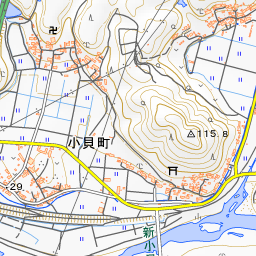


Spot location © OpenStreetMap contributors (ODbL)
Open in Google MapsUse asobot while you walk
- See where you are on the map and find spots nearby
- Listen to the guide's audio in course order, one after another (with subtitles)
- Walk to the next spot while following the map
Open on your phone
Scan to open this spot in asobot on your phone.