 ✨ AI Generated
Shiofune Kannon-ji Temple
Japanese: 塩船観音寺
Ome, Tokyo
This information was written by AI and may contain mistakes. Please check official sources for opening hours, fees, and other details before you go.
Found a mistake? Let us know with “✏️ Something's wrong” on this spot's screen in asobot →
🎧 Audio guide(1:12)
In short
Shiofune Kannon-ji Temple is a special head temple of the Daigo branch of Shingon Buddhism, located in Shiofune, Ome City. According to tradition, it began during the Taika era when Yaobikuni from Wakasa Province enshrined a statue of Kannon here. The Main Hall, Niomon Gate, and Amida-do Hall are designated as Important Cultural Properties of Japan, and the temple is also known for approximately 20,000 azalea bushes and its fire-walking ascetic ritual held on May 3.
- Mortar-shaped Azalea Garden: Approximately 20 varieties and about 20,000 azalea bushes surround the boat-bottom-like terrain, where they can usually be enjoyed for about one month.
- Muromachi-Period Main Hall: Three structures—the thatched-roof Main Hall built in the Muromachi period, the Niomon Gate, and the Amida-do Hall—are designated as Important Cultural Properties of Japan.
- Meoto-sugi (Husband and Wife Cedars): Two large cedar trees over 900 years old stand on either side of the approach.
History and Highlights
Shiofune Kannon-ji Temple is a special head temple of the Daigo branch of Shingon Buddhism, located in Shiofune, Ome City. According to temple tradition, its origins date back to the Taika era (645–650), when Yaobikuni of Wakasa Province enshrined a statue of Kannon at this site while traveling through the Kanto region. Yaobikuni is a legendary Buddhist nun said to have gained ageless longevity by eating the flesh of a mermaid.
The name "Shiofune" is said to have been given by Gyoki. It compares the topography, surrounded by small hills and resembling the shape of a boat, to the "Guzei-no-Fune" (the Boat of the Great Vow). The Guzei-no-Fune is a metaphor for the way Buddhas and Bodhisattvas carry people across to the world of enlightenment as if transporting them aboard a boat.
The three buildings—the Main Hall, Niomon Gate, and Amida-do Hall—are designated as Important Cultural Properties of Japan. The Main Hall was built during the Muromachi period and features a wooden hipped-roof (yosemune-zukuri) design. Its thatched roof incorporates cedar bark into the cogon grass, an architectural technique known as "tora-buki" (tiger thatch) of Okutama. Enshrined in the inner altar (zushi) is the temple's hidden main image, the Standing Statue of Eleven-Headed Thousand-Armed Thousand-Eyed Avalokitesvara (Kannon) Bodhisattva. This image was created in the first year of the Bunei era (1264) by the Buddhist sculptor Kaisei and others. Packed closely to the left and right of the zushi stand the statues of the Twenty-Eight Attendants (Nijuhachi-bushu) protecting the main image. As all 28 statues are preserved, they are regarded as second only to the Twenty-Eight Attendants of Sanjusangen-do Temple in Kyoto.
Viewing and Experience Highlights
- Mortar-shaped Azalea Garden: Yama-tsutsuji azaleas originally grew wild on the hill behind the precinct. Planting began in 1966 (Showa 41), and today about 20 varieties and approximately 20,000 bushes encircle the mortar-shaped slopes. The blooms appear in succession, from the early-blooming Mitsuba-tsutsuji to the late-blooming Ryukyu-tsutsuji, allowing visitors to enjoy them for roughly a month in typical years.
- Fire-Walking Annual Grand Festival: At the annual grand festival held on May 3, a Saito-goma ritual site is constructed in the center of the azalea garden plaza, where the ascetic practice known as "fire-walking" (Hiwatari) is performed. On that day, anyone is allowed to experience the fire-walking. From May 1 to May 3, the hidden main image is also put on public display.
- Niomon Gate and Kongo Rikishi Statues: The Niomon Gate is an eight-legged gate with a thatched roof. It bears a tablet with the temple's mountain name, "Daihizan," and houses two statues of Kongo Rikishi, designated as Tangible Cultural Properties by the Tokyo Metropolitan Government.
Walking Tips
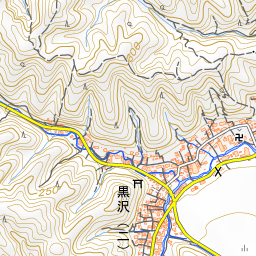
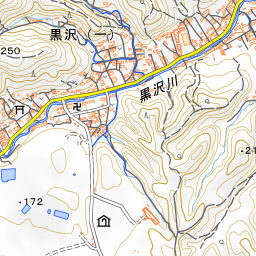
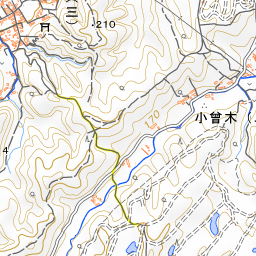
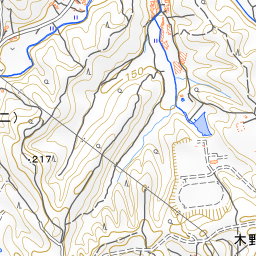
Take a bus from Kabe Station on the JR Ome Line to the "Shiofune Kannon Iriguchi" stop, from which it is about a 10-minute walk. Walking directly from Kabe Station takes about 35 minutes. On both sides of the approach, two massive cedars stand as if guarding the Main Hall. These trees, reaching heights of around 40 meters and ages exceeding 900 years, are designated as Natural Monuments by the Tokyo Metropolitan Government and are called "Meoto-sugi" (Husband and Wife Cedars). In the precinct's Yakushi-do Hall, the Standing Statue of Yakushi Nyorai, regarded as the oldest Buddhist statue in the temple, is enshrined. This slender Yakushi statue has long been believed to offer blessings for preventing strokes and warding off dementia. At the top of the azalea garden stands the 13-meter-tall Shiofune Peace Kannon Statue, overlooking the temple grounds.
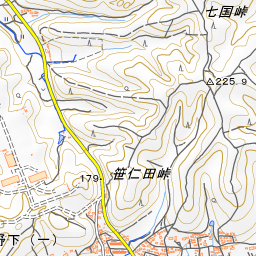
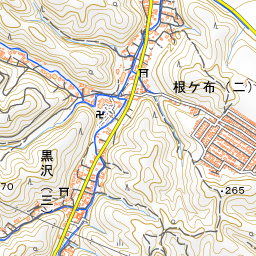
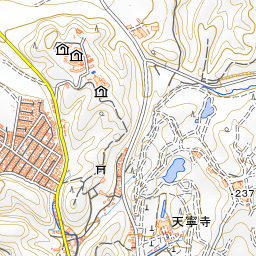

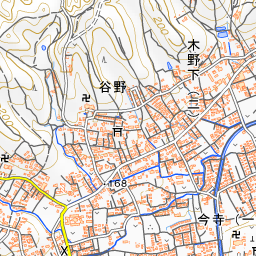
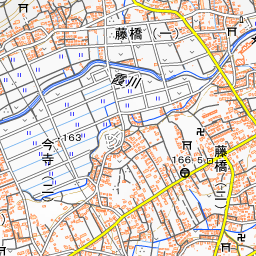
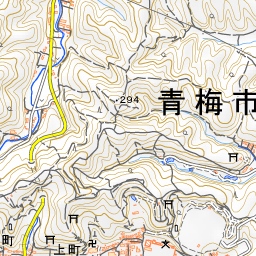
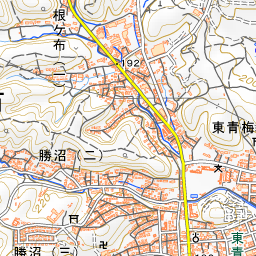
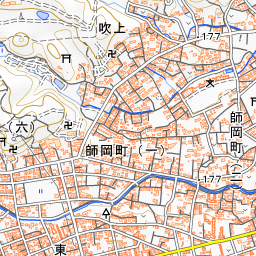

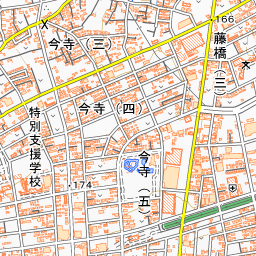
Spot location © OpenStreetMap contributors (ODbL)
Open in Google MapsGuides that include this spot (1)
Use asobot while you walk
- See where you are on the map and find spots nearby
- Listen to the guide's audio in course order, one after another (with subtitles)
- Walk to the next spot while following the map
Open on your phone
Scan to open this spot in asobot on your phone.