 ✨ AI Generated
Mitaki-dera Temple
Japanese: 三瀧寺
Nishi Ward, Hiroshima
This information was written by AI and may contain mistakes. Please check official sources for opening hours, fees, and other details before you go.
Found a mistake? Let us know with “✏️ Something's wrong” on this spot's screen in asobot →
🎧 Audio guide(1:10)
In short
Mitaki-dera Temple is an ancient Shingon Buddhist temple on the slopes of Mount Mitaki in Nishi Ward, Hiroshima City, and is also affectionately known as "Mitaki Kannon." According to temple tradition, it is said to have been founded in 809 by Kukai (Kobo Daishi), and its name derives from the three waterfalls cascading within its grounds. The temple was exposed to the atomic bombing on August 6, 1945, and since the war it has played a role in mourning the victims and praying for world peace.
- Vermilion Tahoto Pagoda: Moved from Hiro Hachiman-jinja Shrine in Hirogawa Town, Wakayama Prefecture, in 1951 to memorialize the spirits of atomic bomb victims, it is an Important Cultural Property of Hiroshima Prefecture
- Seated Statue of Amida Nyorai: Enshrined within the Tahoto pagoda is a wooden seated statue of Amida Nyorai, a National Important Cultural Property
- Waterfalls, Stone Buddhas, and Autumn Leaves: There are hundreds of stone Buddhas on the grounds, some of which date back to the Kamakura period. The autumn foliage is especially magnificent
History and Highlights
Mitaki-dera Temple is an ancient Shingon Buddhist temple located on the slopes of Mount Mitaki in Nishi Ward, Hiroshima City. According to temple tradition, it is said to have been founded in 809 by Kukai (Kobo Daishi) and is also affectionately known as "Mitaki Kannon." The temple's name derives from the three waterfalls cascading within its grounds: Komaga-taki, Bon'on-no-taki, and Yumei-no-taki.
The main hall enshrines Kannon, who is believed to deliver people from suffering. Within the precincts, there are many wooden buildings constructed from the late Edo period to the early Meiji period, and structures such as the Soshin Kannon-do Hall, the bell tower, Inari Shrine, Sanki Gongen-do Hall, and Chinju-do Hall are scattered across the valley.
On August 6, 1945, the temple was exposed to the atomic bombing approximately 3.2 kilometers from the hypocenter. The powerful blast swept up the slope, causing heavy damage to the buildings in the precincts. The roof of the main hall collapsed, but no fire broke out, so the Buddhist statues and other items inside remained without being lost. The main hall was rebuilt in 1968.
After the war, the temple has played a role in mourning the victims and praying for world peace. The clear mountain water from the four streams flowing through the temple has been offered as an oblation at the annual ceremonies held in Peace Memorial Park. In the precincts, there is also a stone monument dedicated to the people who perished in the Auschwitz concentration camp.
Highlights for Viewing and Experiencing
- Vermilion Tahoto Pagoda: Located at the entrance to the temple, this vermilion-lacquered Tahoto pagoda was moved from Hiro Hachiman-jinja Shrine in Hirogawa Town, Wakayama Prefecture, in 1951 to memorialize the spirits of atomic bomb victims. Built in 1526, it is an Important Cultural Property of Hiroshima Prefecture.
- Seated Statue of Amida Nyorai: Enshrined within the Tahoto pagoda is a wooden seated statue of Amida Nyorai, a National Important Cultural Property. Moved from Kanshin-ji Temple in Kawachinagano City, Osaka Prefecture, after the pagoda was completed, an ink inscription inside the statue indicates it was donated in 1154. It is considered a masterpiece that vividly reflects the Jocho-yo style, which was mainstream in Buddhist sculpture at the end of the Heian period.
- Waterfalls, Stone Buddhas, and Autumn Leaves: The sound of waterfalls fed by four streams, combined with mossy rocks and stone statues, make the temple grounds a peaceful place. There are hundreds of stone Buddhas on the grounds, some of which date back to the Kamakura period. The autumn foliage is especially magnificent, and many people also visit during the spring cherry blossom season.
Tips for Exploring
It is about a 20-minute walk from Mitaki Station on the JR Kabe Line. Because the approach path through the valley is narrow with continuous ascents and descents, please wear non-slip shoes and show consideration to other visitors while paying your respects.


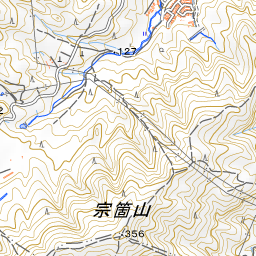


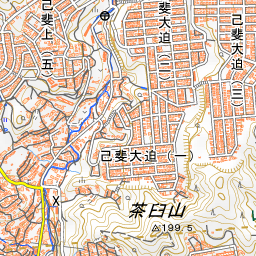


Spot location © OpenStreetMap contributors (ODbL)
Open in Google MapsUse asobot while you walk
- See where you are on the map and find spots nearby
- Listen to the guide's audio in course order, one after another (with subtitles)
- Walk to the next spot while following the map
Open on your phone
Scan to open this spot in asobot on your phone.