 ✨ AI Generated
Yasaka-jinja Shrine
Japanese: 八坂神社
Higashiyama Ward, Kyoto
This information was written by AI and may contain mistakes. Please check official sources for opening hours, fees, and other details before you go.
Found a mistake? Let us know with “✏️ Something's wrong” on this spot's screen in asobot →
🎧 Audio guide(1:00)
In short
A shrine situated at the eastern end of Shijo-dori Street, affectionately known to the people of Kyoto since ancient times as "Gion-san." The enshrined deities are Susanoo-no-Mikoto, his consort Kushinadahime-no-Mikoto, and their children, the Yahashira-no-Mikogami, and it has long been revered as a shrine that wards off epidemics from the capital. One of Japan's three major festivals, the Gion Matsuri Festival, originated in prayers for peace across the country and the eradication of disaster, offered when an epidemic spread through the country in 869 (Jogan 11).
- The Main Hall in Gion-zukuri Style: A unique style that covers what were originally separate main and worship halls under a single roof, with the largest floor area among shrine buildings. It was built in 1654 (Joo 3) and designated a National Treasure in 2020 (Reiwa 2)
- Nishi-romon Gate and Buden Hall: The Nishi-romon Gate facing Shijo-dori Street, rebuilt in 1497 (Meio 6), is the oldest building on the grounds. When the numerous lanterns hung on the Buden Hall are lit, the atmosphere becomes magical
- Utsukushigozen-sha Shrine and Biyo-sui (Beauty Water): Because its enshrined deity has a graceful and attractive appearance, it is revered as a deity of beauty. The beauty water that wells up beside the shrine pavilion is said to make both body and mind beautiful when two or three drops are applied to the skin
History and Highlights
Yasaka-jinja Shrine is a shrine situated at the eastern end of Shijo-dori Street, affectionately known to the people of Kyoto since ancient times as "Gion-san." The enshrined deities are Susanoo-no-Mikoto, his consort Kushinadahime-no-Mikoto, and their eight children, the Yahashira-no-Mikogami. Until 1868 (Keio 4, which became the first year of Meiji), it was known by names such as "Gion-sha" and "Gion Kanshin-in."
There are various theories regarding its founding. According to shrine tradition, it is said that it began either in the 2nd year of Empress Saimei (656) when Irishi, who arrived from Goguryeo, enshrined Susanoo-no-Mikoto on this land, or in the 18th year of Jogan (876) when the monk Ennyo from Nanto built a hall. Its founding dates back to before the relocation of the capital to Heian-kyo, and it has long been revered as a shrine that wards off epidemics from the capital. Today, there are more than 3,000 shrines called Gion-sha or Yasaka-jinja Shrine.
One of Japan's three major festivals, the Gion Matsuri Festival, originated in the 11th year of Jogan (869) during a domestic epidemic, when 66 halberds—representing the number of provinces at the time—were erected, and portable shrines were sent to Shinsenen Garden to pray for peace across the country and the eradication of disaster. It was once called "Gion Goryo-e."
Viewing and Experience Highlights
- The Main Hall in Gion-zukuri Style: The current main hall was built in the 3rd year of Joo (1654) by order of Tokugawa Ietsuna, the 4th shogun. It features a unique style called "Gion-zukuri," which covers what were originally separate main and worship halls under a single roof, and it possesses the largest floor area among shrine buildings. It was designated a National Treasure in the 2nd year of Reiwa (2020).
- Nishi-romon Gate and Buden Hall: The Nishi-romon Gate facing Shijo-dori Street was rebuilt in the 6th year of Meio (1497) after being destroyed by fire in the Onin War, making it the oldest building on the grounds. When Shijo-dori Street was widened in the 2nd year of Taisho (1913), it was moved 6 meters east and 3 meters north so that it would appear centered with the street. On the Buden Hall, numerous lanterns donated by teahouses in the geisha districts and nearby traditional ryotei restaurants are hung, creating a magical atmosphere when lit at night.
- Utsukushigozen-sha Shrine and Biyo-sui (Beauty Water): Utsukushigozen-sha Shrine is revered as a shrine for beauty because its enshrined deity is known for having a graceful and attractive appearance. The beauty water that wells up beside the shrine pavilion is said to make both body and mind beautiful when two or three drops are applied to the skin.
Walking Tips
It is about a 5-minute walk from Gion-Shijo Station on the Keihan Railway, and immediately adjacent to the "Gion" city bus stop. It is approximately 300 meters east to Maruyama Park, approximately 530 meters northeast to Chion-in Temple, and approximately 420 meters southeast to Kodai-ji Temple.

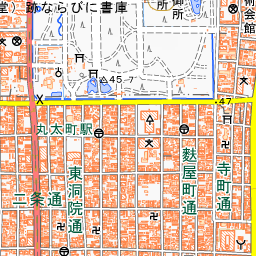


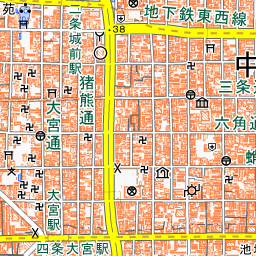

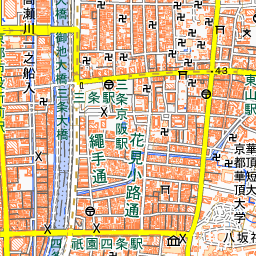


Spot location © OpenStreetMap contributors (ODbL)
Open in Google MapsGuides that include this spot (2)
Use asobot while you walk
- See where you are on the map and find spots nearby
- Listen to the guide's audio in course order, one after another (with subtitles)
- Walk to the next spot while following the map
Open on your phone
Scan to open this spot in asobot on your phone.