 ✨ AI Generated
Kojo-ji Temple
Japanese: 向上寺
Onomichi, Hiroshima
This information was written by AI and may contain mistakes. Please check official sources for opening hours, fees, and other details before you go.
Found a mistake? Let us know with “✏️ Something's wrong” on this spot's screen in asobot →
🎧 Audio guide(1:03)
In short
Kojo-ji Temple is a temple of the Soto Zen sect located on Mt. Choonzan, overlooking the port of Setoda on Ikuchijima Island. It was built at the beginning of the Muromachi period by the Ikuchi clan, who ruled this island, and on the mountain stands a three-storied pagoda, a National Treasure built in 1432 (Eikyo 4).
- National Treasure Three-Storied Pagoda: The pagoda is approximately 19 meters high. It is also considered rare because the year of its construction is clearly known and most of its structural components are believed to date back to the time it was built
- A Blend of Japanese (Wayo) and Chinese (Karayo) Styles: While fundamentally based on Wayo, Karayo techniques used in Zen temples are prominently incorporated into the fine details, and Katomado (cusped windows) can be seen on each tier
- View of the Pagoda and Islands: Standing atop Mt. Choonzan, the vermilion pagoda creates a harmonious view alongside the townscape of Setoda and the islands floating in the calm sea
History and Highlights
Kojo-ji Temple is a temple of the Soto Zen sect located on Mt. Choonzan, overlooking the port of Setoda on Ikuchijima Island. Built at the beginning of the Muromachi period by the Ikuchi clan, who ruled this island, it is said that Ikuchi Morihira founded the temple by inviting the Zen monk Guchu Shukyu as the founding abbot. Although many of the buildings were lost in a fire in the early Meiji period, the three-storied pagoda standing high on the mountain escaped disaster and remains today.
This three-storied pagoda is approximately 19 meters high and was built in 1432 (Eikyo 4). It was designated as an Important Cultural Property in 1913 (Taisho 2) and as a National Treasure in 1958 (Showa 33). Not only is it valuable as a pagoda belonging to a Zen temple, but it is also considered rare because the year of its construction is clearly known and most of its structural components are believed to date back to the time it was built. Furthermore, it is one of the cultural assets that make up the Agency for Cultural Affairs' Japan Heritage site, "Base of Japan's Greatest Pirates: The Geiyo Islands."
Highlights for Viewing and Experiencing
- A Blend of Japanese (Wayo) and Chinese (Karayo) Styles: While fundamentally based on Wayo, the traditional Japanese architectural style, Karayo architectural techniques used in Zen temples are prominently incorporated into the fine details. Katomado (cusped windows), which feature curved upper edges shaped like flowers, can be seen on each tier.
- Vermilion Coloration: The pagoda is painted in vermilion, and richly colorful decorations are applied to its interior as well. Its vivid hues stand out remarkably well from afar against the backdrop of green trees.
- View of the Pagoda and Islands: Standing atop Mt. Choonzan, the pagoda creates a harmonious view alongside the townscape of Setoda and the islands floating in the calm sea. Walking around to find spots where you can view both the pagoda and the sea together is part of the fun.
Walking Tips
It takes about 10 minutes on foot from Setoda Port. As there is an uphill walk leading up the mountain, please wear comfortable walking shoes. In the town at the foot of the mountain, beyond the Shiomachi Shopping Street, you will find Kosanji Temple and the Hill of Hope (Miraishin-no-Oka), with the Hirayama Ikuo Museum of Art also located nearby. Detailed information is provided for each spot, so feel free to visit them together as part of your stroll through Setoda.



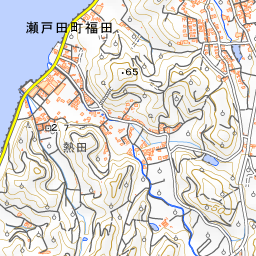
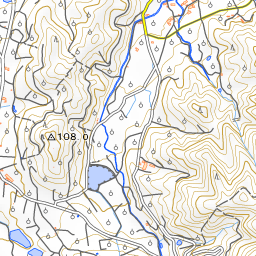
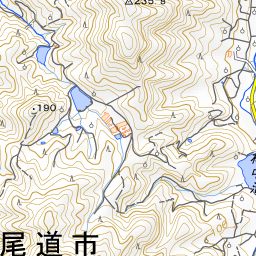
Spot location © OpenStreetMap contributors (ODbL)
Open in Google MapsGuides that include this spot (1)
Use asobot while you walk
- See where you are on the map and find spots nearby
- Listen to the guide's audio in course order, one after another (with subtitles)
- Walk to the next spot while following the map
Open on your phone
Scan to open this spot in asobot on your phone.