 ✨ AI Generated
Manai-jinja Shrine
Japanese: 真名井神社
Miyazu, Kyoto
This information was written by AI and may contain mistakes. Please check official sources for opening hours, fees, and other details before you go.
Found a mistake? Let us know with “✏️ Something's wrong” on this spot's screen in asobot →
🎧 Audio guide(1:06)
In short
The rear shrine (okumiya) of Kono-jinja Shrine, located on the north side of Amanohashidate, also called Kushihamanomiya. According to the history of Kono-jinja Shrine, Toyouke no Okami has been enshrined in this land of Manaihara since the distant age of the gods, and it is said that Amaterasu Omikami also later moved here and was enshrined alongside. Stone axes from the Jomon period, fragments of earthenware from the Yayoi period, and magatama beads have been found within the grounds.
- Two Iwakura: Behind the shrine building are the main seat of the iwakura, enshrining Toyouke no Okami, and the west seat, enshrining Amaterasu Omikami, Izanagi no Okami, and Izanami no Okami, where rituals have been conducted treating the stones as dwelling places of kami
- Ame no Manai no Mizu: Sacred water that springs forth to the left of the torii gate entrance. People from all over the country visit to draw this water
- Annual Festival on October 15: Because the festival used to be held on the full moon of the 15th day of the ninth month of the lunar calendar, Toyouke no Okami is said to also have aspects of a moon deity
History and Highlights
Manai-jinja Shrine is the rear shrine (okumiya) of Kono-jinja Shrine, located on the north side of Amanohashidate, and is also called Kushihamanomiya. According to the history of Kono-jinja Shrine, Toyouke no Okami has been enshrined in this land of Manaihara since the distant age of the gods, and it is said that Amaterasu Omikami also later moved here and was enshrined alongside. Since the main shrine moved to the current site of Kono-jinja Shrine in the 3rd year of the Yoro era, it has been enshrined as the rear shrine.
Behind the shrine building are iwakura (sacred rocks), an ancient form of worship, where rituals have been conducted treating the stones as dwelling places of kami. In an era when there were no buildings to enshrine gods, it is said that people believed gods resided in large trees, rocks, islands, rivers, and the like, and worshipped them. Stone axes from the Jomon period, fragments of small ritual earthenware from the Yayoi period, and magatama beads have been found within the grounds, suggesting that this entire area was considered sacred land since ancient times.
Viewing and Experience Points
- Two Iwakura: In the main seat on the right as you face it, Toyouke no Okami, regarded as the guardian deity of the five grains, clothing, food, and housing, is enshrined. In the west seat on the left, Amaterasu Omikami, Izanagi no Okami, and Izanami no Okami are enshrined.
- Ame no Manai no Mizu: This sacred water springs forth to the left of the torii gate entrance. Tradition holds that Amenomurakumo no Mikoto, the third-generation head of the Amabe family of Kono-jinja Shrine, brought it down from heaven in a golden bowl, and it is also said to have been later transferred to the well of the Geku (Outer Shrine) of Ise Jingu Shrine. People from all over the country visit to draw this water.
- Annual Festival on October 15: Toyouke no Okami was the original deity enshrined at Kono-jinja Shrine and is also said to be a god of the virtue of water. The annual festival is held on October 15, and because it used to be held on the full moon of the 15th day of the ninth month of the lunar calendar, Toyouke no Okami is also said to have aspects of a moon deity.
Walking Tips
It is about a 7-minute walk from Kono-jinja Shrine. If coming by car, please use the parking lot of Kono-jinja Shrine. As there are areas within the grounds where photography is prohibited, please follow local regulations and worship quietly. Kasamatsu Park, which overlooks Amanohashidate, is also nearby.
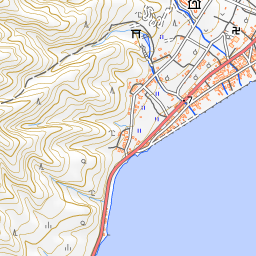
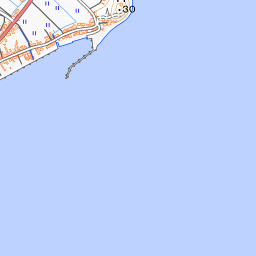
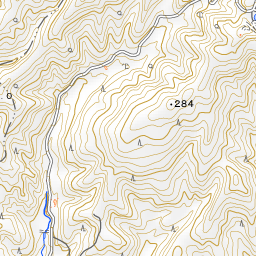
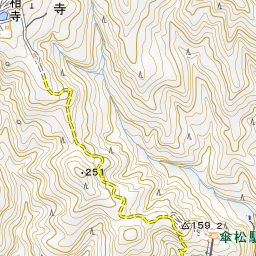
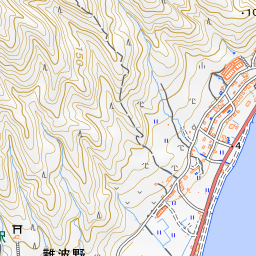


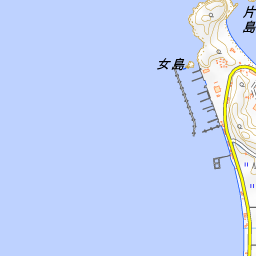
Spot location © OpenStreetMap contributors (ODbL)
Open in Google MapsUse asobot while you walk
- See where you are on the map and find spots nearby
- Listen to the guide's audio in course order, one after another (with subtitles)
- Walk to the next spot while following the map
Open on your phone
Scan to open this spot in asobot on your phone.