 ✨ AI Generated
Ryoan-ji Temple
Japanese: 龍安寺
Ukyo Ward, Kyoto
This information was written by AI and may contain mistakes. Please check official sources for opening hours, fees, and other details before you go.
Found a mistake? Let us know with “✏️ Something's wrong” on this spot's screen in asobot →
🎧 Audio guide(1:12)
In short
A temple of the Myoshin-ji Temple branch of the Rinzai Zen sect, carrying the mountain name Daiunzan. In 1450 (Hotoku 2), Hosokawa Katsumoto, who served as the kanrei (deputy) of the Muromachi shogunate, took over the mountain villa of the Tokudaiji family and founded the temple, welcoming Giten Gensho of Myoshin-ji Temple as its founding priest. After it was burned down during the Onin War, Katsumoto's son Masamoto restored it in 1499 (Meio 8), and in 1994 (Heisei 6) it was inscribed as a World Heritage site as part of the "Historic Monuments of Ancient Kyoto."
- Hojo Garden (Rock Garden): A dry landscape (karesansui) garden where 15 stones are arranged in five groupings on an area of about 250 square meters covered with white gravel, designated as a National Historic Site and Special Place of Scenic Beauty. It is also known as "Tora no Ko Watashi" (tiger cubs crossing)
- "Ware Tada Taru o Shiru" Stone Water Basin: North of the Hojo, there is a stone water basin said to have been donated by Mito Mitsukuni. Beside the Ryoan-ji bamboo fence in the garden east of the Hojo, there is also a Wabisuke camellia tree said to have been praised by Hideyoshi
- Kyoyochi Pond and Ryoan-ji Garden: Kyoyochi Pond is a remnant from the era when this site was an aristocratic villa. The Ryoan-ji Garden centered around the pond is designated as a National Place of Scenic Beauty
History and Highlights
Ryoan-ji Temple, carrying the mountain name Daiunzan, is a temple of the Myoshin-ji Temple branch of the Rinzai Zen sect. In 1450 (Hotoku 2), Hosokawa Katsumoto, who served as the kanrei (deputy) of the Muromachi shogunate, took over the mountain villa of the Tokudaiji family and founded the temple, welcoming Giten Gensho of Myoshin-ji Temple as its founding priest. Although it was soon burned down during the Onin War, Katsumoto's son Masamoto restored it in 1499 (Meio 8). A fire in 1797 (Kansei 9) destroyed the Hojo (abbot's quarters) and other structures; the present Hojo was relocated from the Saigen-in sub-temple and is designated as a national Important Cultural Property. Toyotomi Hideyoshi visited several times, and official notice boards issued by him still remain today. In 1994 (Heisei 6), it was inscribed as a World Heritage site as part of the "Historic Monuments of Ancient Kyoto."
Points of Interest and Experience
- Hojo Garden (Rock Garden): Situated to the south of the Hojo, the rock garden is a dry landscape (karesansui) garden where 15 stones are arranged in five groupings on an area of about 250 square meters covered with white gravel, surrounded on three sides—east, south, and west—by earthen walls. Without planting a single tree, it portrays nature using only white gravel and stones, and is designated as a National Historic Site and Special Place of Scenic Beauty. Because the stone arrangement also resembles a tiger leading her cubs across a river, it is also known as "Tora no Ko Watashi" (tiger cubs crossing).
- "Ware Tada Taru o Shiru" Stone Water Basin: North of the Hojo, there is a stone water basin said to have been donated by Mito Mitsukuni, inscribed with the characters "吾唯足知" (ware tada taru o shiru, meaning "I only know contentment"). In the garden to the east of the Hojo stands the Ryoan-ji bamboo fence, beside which is a Wabisuke camellia tree said to have been praised by Toyotomi Hideyoshi.
- Kyoyochi Pond and Ryoan-ji Garden: Kyoyochi Pond on the grounds is a remnant from the era when this site was an aristocratic villa. The Ryoan-ji Garden centered around this pond is designated as a National Place of Scenic Beauty.
Walking Tips
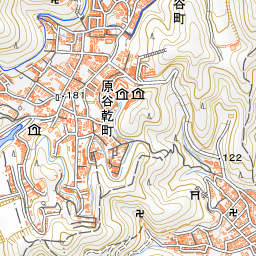
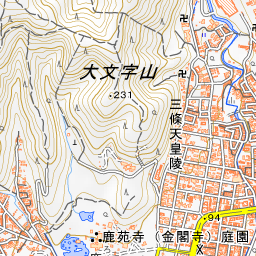
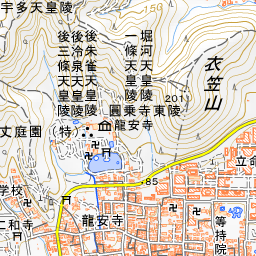
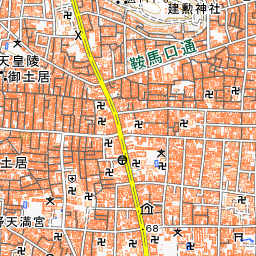
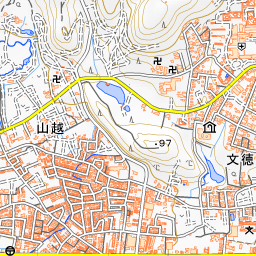
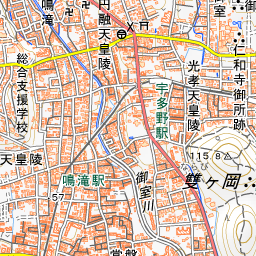
It is about a 7-minute walk from Randen Ryoan-ji Station, and just a short walk from the "Ryoanji-mae" city bus stop. About 540 meters to the southwest is Ninna-ji Temple, about 580 meters to the southeast is Toji-in Temple, about 750 meters to the east is Kyoto Prefectural Insho-Domoto Museum of Fine Arts, and about 1.2 kilometers to the northeast is Kinkaku-ji Temple, making it easy to tour them together.



Spot location © OpenStreetMap contributors (ODbL)
Open in Google MapsGuides that include this spot (1)
Use asobot while you walk
- See where you are on the map and find spots nearby
- Listen to the guide's audio in course order, one after another (with subtitles)
- Walk to the next spot while following the map
Open on your phone
Scan to open this spot in asobot on your phone.