 ✨ AI Generated
Chogaku-ji Temple
Japanese: 長岳寺
Tenri, Nara
This information was written by AI and may contain mistakes. Please check official sources for opening hours, fees, and other details before you go.
Found a mistake? Let us know with “✏️ Something's wrong” on this spot's screen in asobot →
🎧 Audio guide(1:04)
In short
Chogaku-ji Temple is a temple of the Koyasan Shingon sect located near the midpoint of the Yamanobe-no-Michi Path in Yanagimoto-cho, Tenri City. Said to have been founded by Kobo Daishi in the first year of the Tencho era (824), it preserves five Buddhist statues and four buildings designated as National Important Cultural Properties. The grounds are also known for Hirado azaleas in spring and autumn leaves in fall.
- Shoromon (Bell Tower Gate): A gate showing traces of a bell once hung on its upper floor; the temple considers it Japan's oldest bell tower gate.
- Amida Triad: The principal image created in the first year of the Ninpei era (1151); it is said to be the oldest known example among statues with crystal eyes (gyokugan) whose year of creation is known.
- Great Hell Painting: A depiction of hell painted by Kano Sanraku, unveiled in the main hall every year from October 23 to November 30.
History and Highlights
Chogaku-ji Temple is located near the midpoint of the Yamanobe-no-Michi Path, said to be Japan's oldest road. According to temple records, it was founded by Kobo Daishi in the first year of the Tencho era (824) at the request of Emperor Junna, as a jingu-ji (shrine-temple) for Oyamato-jinja Shrine. At its peak, it is said that 48 sub-temples lined the grounds, housing more than 300 monks.
Its National Important Cultural Properties consist of five Buddhist statues and four buildings. Walking along the approach from the Daimon gate, visitors encounter the Shoromon. It takes this name from traces showing where a bell was once hung on its upper floor. The temple identifies it as Japan's oldest bell tower gate and the only surviving building from the time of Kobo Daishi's founding. The upper floor is considered to be of Heian period construction, and the lower floor from the Muromachi to Azuchi-Momoyama periods.
Beyond the gate stands the main hall, a building dating from the third year of the Tenmei era (1783). The principal image, the Amida Triad, was made in the first year of the Ninpei era (1151), and an ink inscription inside the statue states that it was crafted in that year. Its substantial, realistic form is considered a precursor to the style of the subsequent Kamakura period. It is also known as the oldest example among statues using gyokugan (inlaid crystal eyes) where the exact year of creation is known.
The statues of Tamonten and Zochoten in the main hall were originally Buddhist images at Daigorin-ji Temple, which was once the shrine-temple of Omiwa-jinja Shrine. When Daigorin-ji Temple was dissolved during the anti-Buddhist movement (haibutsu kishaku) of the Meiji period, they were moved here.
Viewing and Experience Highlights
- Seating Posture of the Attendants: Kannon Bodhisattva and Seishi Bodhisattva flanking the central Amida Nyorai are seated in the hanka posture, with one leg pendant. It is considered rare for attendant statues to be seated in this form.
- Great Hell Painting: This depiction of hell by Kano Sanraku forms a single painting across nine hanging scrolls. The upper part depicts the judgment by the Ten Kings, while below are scenes such as the Sanzu River, Sai-no-Kawara (Children's Limbo), and the Eight Great Hells. Only the final scroll portrays Amida Nyorai coming to welcome souls from the Pure Land. Usually, a replica is displayed, but every year from October 23 to November 30, the original is unveiled in the main hall, and the head priest provides an illustrated explanation.
- Crane and Turtle Garden and Old Pine: The former Jizo-in is the only one of the 48 sub-temples still surviving, now used as the kuri (temple kitchen and living quarters). Its garden is a crane-and-turtle garden, where an island in the pond represents a turtle and a five-needle pine represents a crane. The 450-year-old Hime-goyomatsu pine has no solid trunk and is hollow inside, sustaining its life by a single strip of bark.
Travel Tips
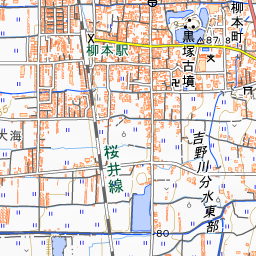
It is about a 20-minute walk east from JR Yanagimoto Station. From late April to early May, about 1,000 Hirado azaleas bloom, and from mid- to late May, rabbit-ear irises (kakitsubata) bloom in the pond in front of the main hall. The autumn foliage is selected among Japan's Top 100 Autumn Foliage Spots. Within the grounds are also numerous stone Buddhas, including a nearly two-meter-tall Great Sarcophagus Buddha made from stone of an ancient burial mound. If walking the Yamanobe-no-Michi Path, you can combine a visit with the Mausoleum of Emperor Sujin about 460 meters to the southwest, and the Kurozuka Kofun Burial Mound about 820 meters to the west.
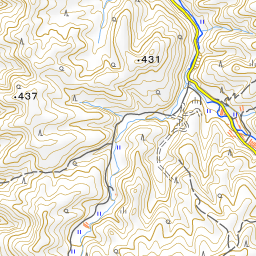
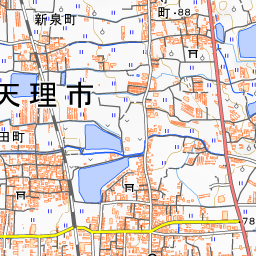
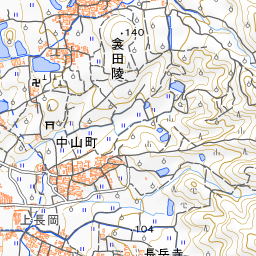
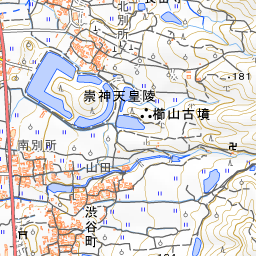

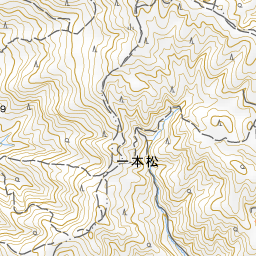
Spot location © OpenStreetMap contributors (ODbL)
Open in Google MapsGuides that include this spot (1)
Use asobot while you walk
- See where you are on the map and find spots nearby
- Listen to the guide's audio in course order, one after another (with subtitles)
- Walk to the next spot while following the map
Open on your phone
Scan to open this spot in asobot on your phone.