 ✨ AI Generated
Ikkyu-ji Temple
Japanese: 一休寺
Kyotanabe, Kyoto
This information was written by AI and may contain mistakes. Please check official sources for opening hours, fees, and other details before you go.
Found a mistake? Let us know with “✏️ Something's wrong” on this spot's screen in asobot →
🎧 Audio guide(1:06)
In short
A temple of the Rinzai sect's Daitokuji branch where Ikkyu Sojun, a Muromachi-period Zen monk known as Ikkyu-san from witty folktales, spent his later years. Its formal name is Shuon-an Temple: Zen Master Ikkyu restored the temple, which had been left in ruins, and gave it this name to repay his master's kindness. The master died in 1481 at the age of 88 and was buried in the grave site on the temple grounds. The Main Hall, the Hojo, the Karamon Gate, and other buildings are National Important Cultural Properties.
- The Hojo and its three gardens: Gardens designated as a National Place of Scenic Beauty, whose character changes on each of the three sides: the South Garden with sheared azaleas and white sand, the East Garden with stones representing the Sixteen Arhats, and the North Garden representing a dry waterfall
- Wooden statue of Zen Master Ikkyu: A National Important Cultural Property enshrined in the center of the Hojo. The master's own hair and beard are said to have been implanted into the statue
- Ikkyu-ji natto: The temple has continued to make Ikkyu-ji natto (fermented soybeans), unchanged since Zen Master Ikkyu's time
History and Highlights
Shuon-an Temple, widely known by its popular name "Ikkyu-ji Temple," is a temple of the Rinzai sect's Daitokuji branch where Ikkyu Sojun—a Muromachi period Zen monk famous for witty folktales—spent his later years. The temple was originally called Myosho-ji Temple, founded during the Shoo era of the Kamakura period when Daio Kokushi (Nampo Jomyo) opened a Zen training hall. After falling into ruin due to the fires of the Genko War, Zen Master Ikkyu restored it during the Kosei era of the Muromachi period, naming it "Shuon-an Temple" to repay his master's kindness.
The Zen master spent the latter half of his life here, and it is said that he commuted from this temple even after becoming the chief abbot of Daitoku-ji Temple at the age of 81. He passed away in 1481 at the age of 88 and was buried in the Sojun-obyo mausoleum on the temple grounds. Zen Master Ikkyu is said to have been of imperial blood through Emperor Go-Komatsu, or possibly a descendant of Ashikaga Yoshimitsu, and his mausoleum is still managed by the Imperial Household Agency today. The Main Hall, Hojo (Abbot's Quarters), Kuri (kitchen and residence), Karamon Gate, Toshi (restroom), Bell Tower, and Bathhouse are all designated as National Important Cultural Properties.
Viewing and Experience Highlights
- The Hojo and Its Three Gardens: The Hojo was rebuilt in 1650 during the Edo period through a donation from Maeda Toshitsune, the lord of the Kaga Domain. The garden surrounding the Hojo is a designated National Place of Scenic Beauty and is regarded as a joint work of Ishikawa Jozan, Shokado Shojo, and Sagawada Kiroku. Each of the three sides has its own distinct character: the South Garden with sheared azaleas and white sand, the East Garden with stones representing the Sixteen Arhats, and the North Garden featuring a dry waterfall represented by a large Kannon stone and surrounding rock arrangements.
- Wooden Statue of Zen Master Ikkyu: Enshrined in the center of the Hojo is a wooden statue of Zen Master Ikkyu, a National Important Cultural Property. Ordered by the master himself in the year he died and created by his senior disciple, Zen Master Bokusai, it is said to have actual hair and beard from the master implanted into it. The sliding door paintings in the Hojo were brushed by Kano Tan'yu; the ones on display today are replicas, while the originals are preserved in the treasure hall.
- Muromachi-Period Main Hall and Kokyu-an: The Main Hall was built during the Eikyo era with the devotion of Ashikaga Yoshinori, the 6th shogun of the Muromachi shogunate, and is considered the oldest Zen-style (Kara-yo) building in the Yamashiro and Yamato regions. Kokyu-an is a teahouse-style structure that the master relocated from the foot of Kyoto's Higashiyama to escape the Onin War, and the surrounding garden is traditionally said to have been designed by Murata Juko.
Tips for Walking Around
Passing through the Somon gate leads to a stone-paved approach flanked by maple trees and carpeted with moss at your feet. The temple continues to make "Ikkyu-ji natto" (fermented soybeans) using traditional methods unchanged since Zen Master Ikkyu's time. In front of the Somon gate stands a monument marking the "Site of the Konparu Lawn of Takigi Noh," and about 200 meters to the west is Takigi-jinja Shrine, where a monument commemorates the birthplace of Noh theater. Combining your visit with Mt. Kannabi, about 1.8 kilometers to the southwest, is also recommended to trace the history of the Takigi village.
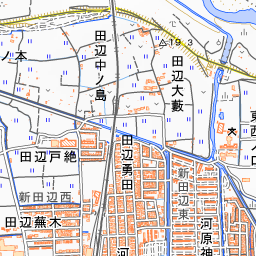
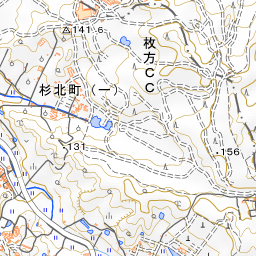
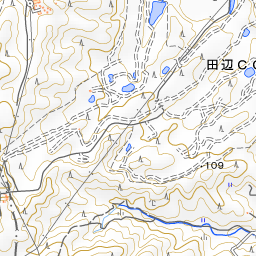
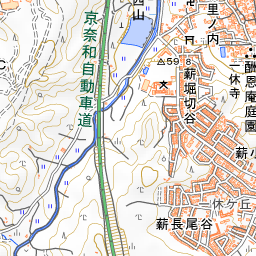
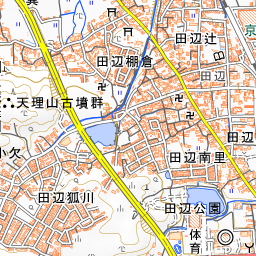
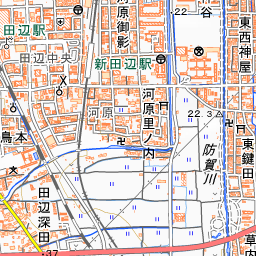
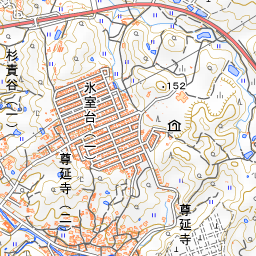
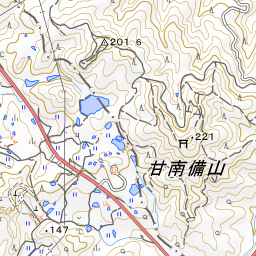
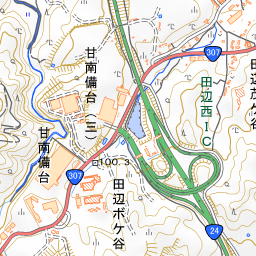
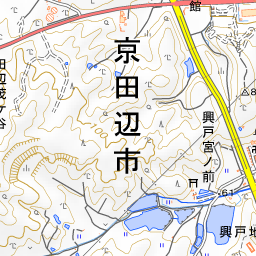
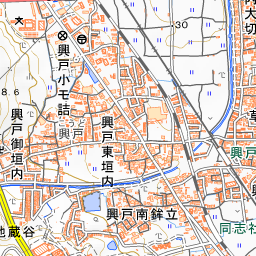
Spot location © OpenStreetMap contributors (ODbL)
Open in Google MapsGuides that include this spot (1)
Use asobot while you walk
- See where you are on the map and find spots nearby
- Listen to the guide's audio in course order, one after another (with subtitles)
- Walk to the next spot while following the map
Open on your phone
Scan to open this spot in asobot on your phone.