 ✨ AI Generated
Inaba Honke Merchant Residence
Japanese: 豪商 稲葉本家
Kyotango, Kyoto
This information was written by AI and may contain mistakes. Please check official sources for opening hours, fees, and other details before you go.
Found a mistake? Let us know with “✏️ Something's wrong” on this spot's screen in asobot →
🎧 Audio guide(1:02)
In short
Inaba Honke Merchant Residence is a facility utilizing the estate of the Inaba family, wealthy merchants who flourished during the Edo period, located in the town area of Kumihama, Kyotango City. Using the wealth they gained by producing koji (malted rice) in Kumihama as a foundation, the Inaba family began a shipping business, and it is said that they became merchants wealthy enough to handle almost all the finances of neighboring domains. The residence is now owned by Kyotango City and operated by volunteers from a local NPO.
- Main House of a Meiji-Era Wealthy Merchant: The main house was begun by the 12th-generation Inaba Ichiroemon in 1885 (Meiji 18) and took five years to complete. It is registered as a national Registered Tangible Cultural Property
- Relaxing While Viewing the Garden: You can take a rest at the cafe while gazing upon the tasteful garden
- Seasonal Decorations and Town Events: Decorations are arranged to match seasonal events such as the Doll Festival (Hina Matsuri) and Tanabata
History and Highlights
Inaba Honke Merchant Residence is a facility utilizing the estate of the Inaba family, wealthy merchants who flourished during the Edo period, located in the town area of Kumihama, Kyotango City. The Inaba family is said to be descendants of the Inaba clan of Mino, who were vassals of Oda Nobunaga.
During the Edo period, the Inaba family gained wealth by producing koji (malted rice) in Kumihama. Using this wealth as a foundation, they began a shipping business, amassing a great fortune through trade along the coast of the Sea of Japan, and it is said that they became merchants wealthy enough to handle almost all the finances of neighboring domains.
The main house that remains today was begun by the 12th-generation Inaba Ichiroemon in 1885 and took five years to complete. This main house is registered as a national Registered Tangible Cultural Property. The 12th-generation head also served as a member of the House of Representatives. The succeeding 13th-generation Inaba Ichiroemon is known for investing his private funds to realize the opening of the former Japanese National Railways Miyazu Line between Kumihama and Toyooka.
The residence is now owned by Kyotango City and operated by volunteers from a local NPO. It is open to the public as an estate that recalls the life of wealthy merchants, and it is well loved as a base for town walks, offering a cafe, handicraft workshops, and sales of local specialty goods.
Highlights for Viewing and Experiences
- Main House of a Meiji-Era Wealthy Merchant: Built over five years, the large main house conveys the lifestyle of Meiji-era wealthy merchants to the present day. Experience the past influence of the Inaba family through the spaciousness of the estate and its wooden craftsmanship.
- Relaxing While Viewing the Garden: The grounds also contain a building said to be approximately 220 years old, and you can take a rest at the cafe while gazing upon the tasteful garden.
- Seasonal Decorations and Town Events: In the residence, decorations are arranged to match seasonal events such as the Doll Festival (Hina Matsuri) and Tanabata. It also sometimes serves as a venue for events in the town of Kumihama.
Walking Tips
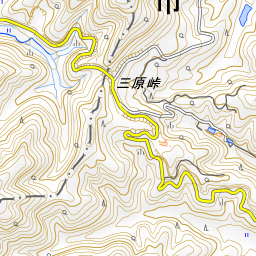
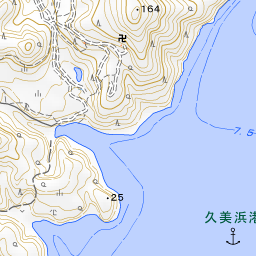
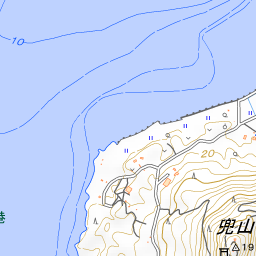
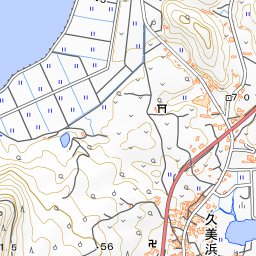
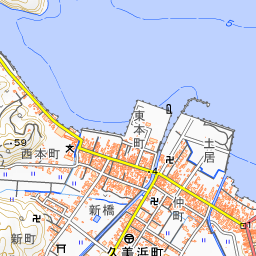
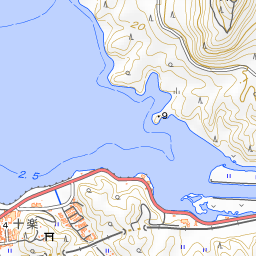
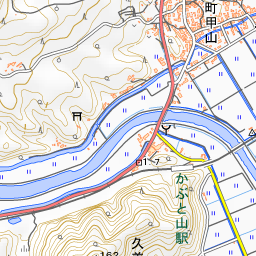
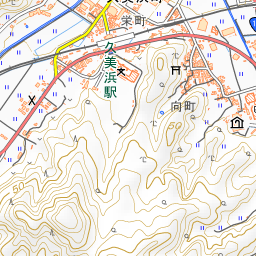
The town of Kumihama, where Inaba Honke is located, was formed as a castle town surrounding the castle of Matsui Yasuyuki, a vassal of the Hosokawa family. In the Edo period, a shogunate magistrate's office was placed here, and townscapes featuring merchant buildings from the Edo to Taisho periods, stone bridges, and boathouses continue to this day. This townscape is also designated as a Kyoto Prefecture Landscape Asset and a Selected Cultural Landscape. To the north of the town lies Kumihama Bay, where oyster racks line the water, and Mt. Kabuto overlooking the bay. It is about a 7-minute walk from Kumihama Station on the Kyoto Tango Railway.
Spot location © OpenStreetMap contributors (ODbL)
Open in Google MapsGuides that include this spot (1)
Use asobot while you walk
- See where you are on the map and find spots nearby
- Listen to the guide's audio in course order, one after another (with subtitles)
- Walk to the next spot while following the map
Open on your phone
Scan to open this spot in asobot on your phone.