
Daien-ji Temple
Japanese: 大圓寺
Meguro City, Tokyo
This information was written by AI and may contain mistakes. Please check official sources for opening hours, fees, and other details before you go.
Found a mistake? Let us know with “✏️ Something's wrong” on this spot's screen in asobot →
🎧 Audio guide(1:04)
In short
Daien-ji Temple is a Tendai sect temple located just down the Gyoninzaka Slope from Meguro Station. Said to be the origin of the Great Gyoninzaka Fire of Meiwa 9 (1772)—one of the Three Great Fires of Edo—its grounds are lined with a group of stone Buddhas traditionally believed to have been created to memorialize the victims. The temple was not permitted to be rebuilt until Kaei 1 (1848).
- Stone Statues of the 500 Rakan: Approximately 520 stone Buddhist statues are arranged in multiple tiers along the cliff within the grounds, designated as a Tangible Cultural Property of Tokyo.
- Standing Statue of Shakyamuni Tathagata: The main deity, created in Kenkyu 4 (1193) modeled after the statue at Seiryo-ji Temple in Saga, Kyoto; it is designated as a National Important Cultural Property.
- Monument of Saiun: A stone monument standing in the temple grounds tells the story of Kichisa, said to be the lover of Yaoya Oshichi, who entered the Buddhist priesthood and took the name Saiun.
History and Highlights
Daien-ji Temple is a Tendai sect temple with the mountain name (sangō) of Shorinzan, and is also called Daikoku-ji. Its history is said to have begun around the Genna era in the early Edo period when Taikai Hoin, an ascetic monk from Mount Yudono, opened a prayer training hall. Later, because it became the head temple of the Shugen Gyonin faction, the sloping road in front of the temple came to be called "Gyoninzaka Slope."
This temple left a major mark on history as the starting point of a great fire. Along with the Furisode Fire and the Kurumamachi Fire, the Great Gyoninzaka Fire of Meiwa 9 (1772) is considered one of the Three Great Fires of Edo, and Daien-ji Temple is said to have been where it started. Fanned by strong winds at the time, the fire spread and even burned parts of Edo Castle. The death toll is said to have been thousands or more than 10,000 people. Daien-ji Temple was not permitted to be rebuilt until Kaei 1 (1848).
Appreciation and Experience Points
- Stone Statues of the 500 Rakan: Entering through the sanmon gate, you will see stone Buddhist statues arranged in multiple tiers along the cliff on the left side of the grounds. The central Shakyamuni Triad is surrounded by the Sixteen Rakan and the Ten Principal Disciples, followed behind by roughly 500 Rakan statues. In total, there are around 520 stone statues, designated as a Tangible Cultural Property of Tokyo. They are said to have been created to comfort the spirits of those who died in the great fire. Their expressions vary widely, including a statue resting its chin on its hand lost in thought, one that looks as if it might burst into tears, and a woman holding a baby.
- Standing Statue of Shakyamuni Tathagata: The main deity is a 162.8-centimeter-tall statue sculpted in Kenkyu 4 (1193), modeled after the statue at Seiryo-ji Temple in Saga, Kyoto. It is a National Important Cultural Property. Usually closed to the public, it is specially unveiled from New Year's Eve to January 7, and during the Hana Matsuri (Flower Festival) on April 8.
- Yaoya Oshichi and Saiun: Kichisa, said to have been the lover of Oshichi, shaved his head after her death and changed his name to Saiun. To pray for Oshichi's repose, he vowed to make daily pilgrimages for 10,000 days to Meguro Fudo Temple and Asakusa Kannon, walking while striking a gong and chanting the nembutsu. Saiun's figure is engraved on a monument in the precincts. The "Oshichi Jizo" is enshrined in the Amida-do Hall.
Tips for Strolling
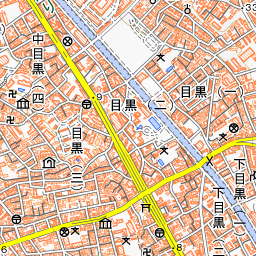
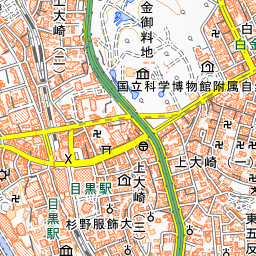
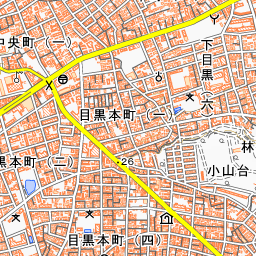
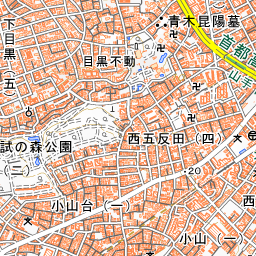
Leaving the west exit of Meguro Station and walking down Gyoninzaka Slope, you will arrive in about three minutes on foot. Once inside the sanmon gate, before reaching the stone statues, take a look at the "Toroke Jizo" beside the main hall. With a form that appears as though its face and hands have melted, it has reportedly been revered as a Jizo that melts away worries. Enshrined in the main hall is Daikokuten of the Yamanote Seven Lucky Gods. Walking further down Gyoninzaka Slope brings you to the Hyakudan Kaidan (100 Steps Staircase) at Gajoen Tokyo. Crossing the Meguro River beyond that is the Taiko-bashi Bridge, which was once a stone bridge shaped like the barrel of a taiko drum. While the current bridge is not drum-shaped, it has retained only the name.

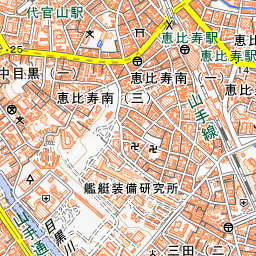
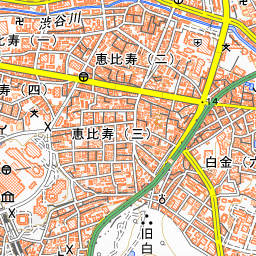

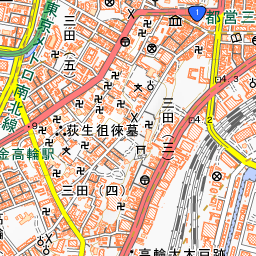
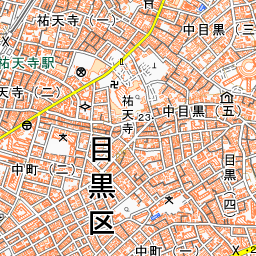
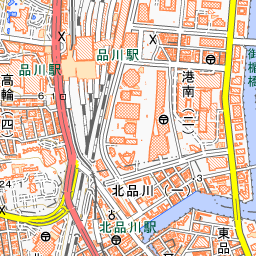
Spot location © OpenStreetMap contributors (ODbL)
Open in Google MapsGuides that include this spot (1)
Use asobot while you walk
- See where you are on the map and find spots nearby
- Listen to the guide's audio in course order, one after another (with subtitles)
- Walk to the next spot while following the map
Open on your phone
Scan to open this spot in asobot on your phone.