 ✨ AI Generated
Asagaya Shinmeigu Shrine
Japanese: 阿佐ヶ谷神明宮
Suginami City, Tokyo
This information was written by AI and may contain mistakes. Please check official sources for opening hours, fees, and other details before you go.
Found a mistake? Let us know with “✏️ Something's wrong” on this spot's screen in asobot →
🎧 Audio guide(1:10)
In short
Asagaya Shinmeigu Shrine is a Shinto shrine located about a 2-minute walk from the North Exit of JR Asagaya Station. Dedicated primarily to Amaterasu Omikami, it is the guardian shrine of the former Asagaya Village. The shrine states that it is the only one in Japan to offer "hachinan-yoke" (warding off of eight misfortunes) prayers.
- A Forest-like Grounds: The grounds span approximately 3,000 tsubo (around 10,000 square meters), where giant trees such as chinquapin, oak, camphor, zelkova, and ginkgo form a dense forest.
- Legend of the Sacred Stone of Ise: It is said that during the Kenkyu era, local warrior Yokoi Hyobu brought back a sacred stone from the Miyagawa River in Ise. According to the shrine, this stone is still enshrined deep within the main hall as a sacred object of worship (goshintai).
- The Noh Stage and Asagaya-bayashi: On the Noh stage built during the great Heisei renovations, the "Asagaya-bayashi," a Registered Intangible Folk Cultural Property of Suginami Ward, is performed as an offering during the annual autumn festival.
History and Highlights
Asagaya Shinmeigu Shrine is the guardian shrine of the former Asagaya Village. It enshrines three deities, with Amaterasu Omikami at the center, flanked by Tsukuyomi-no-Mikoto and Susanoo-no-Mikoto.
Regarding its origins, the Edo Meisho Zue records the following story. It is said that Yamatotakeru-no-Mikoto rested here on his return from his expedition to the east, and later, villagers who admired his military prowess established a shrine. The original shrine was located around present-day 5-chome, Asagaya-kita, and was called Oise-no-mori.
During the Kenkyu era (1190–1198), it is told that the local warrior Yokoi Hyobu visited the Ise Grand Shrine, received a divine oracle, and brought back a sacred stone from the Miyagawa River. According to the shrine, this sacred stone is still enshrined deep in the main sanctuary as a sacred object of worship. It is said that the shrine moved to its current location in the middle of the Edo period.
Faith in the shrine extended beyond the village; in 1828 (Bunsei 11), a copper sambon gohei (three-stemmed ritual wand) inscribed with the names of an association of innkeepers and teahouses from Naito-Shinjuku was dedicated.
From the Meiji period onward, it was known as "Tenso Jinja," but in 1990 (Heisei 2), it reverted to its Edo-period name of "Shinmeigu." In the autumn of 2009 (Heisei 21), the "Great Heisei Renovation" was completed, adding the main shrine buildings in the shinmei-zukuri architectural style, as well as the sacred gate, prayer hall, and Noh stage.
Viewing and Experience Highlights
- Main Sanctuary and Adjacent Subsidiary Shrines: Worshipers pay their respects through the worship hall (haiden) to the main sanctuary and subsidiary shrines at the back. Amaterasu Omikami is enshrined in the central sanctuary, Tsukuyomi-no-Mikoto in the right subsidiary shrine, and Susanoo-no-Mikoto in the left subsidiary shrine. Each is adorned with motifs representing the sun, moon, and sea, respectively.
- The Noh Stage and Asagaya-bayashi: Noh and Kyogen plays are staged at the Noh theater. During the annual autumn festival, the "Asagaya-bayashi" festival music is performed as an offering. This festival music has a tradition dating from the end of the Edo period and is listed as a Registered Intangible Folk Cultural Property of Suginami Ward. A pine tree is painted on the mirror board (kagami-ita) at the back of the stage.
- Hachinan-yoke and Kanmusubi: Hachinan-yoke is a prayer ritual to ward off various misfortunes, such as bad-luck years (yakudoshi) and unfavorable directions, and the shrine considers itself the only shrine in the entire country to conduct this specific prayer. The "kanmusubi" amulet is a lace bracelet-style talisman that can be tied around the wrist or attached to a bag. It has been distributed since January 2015 (Heisei 27).
Walking Tips
It is about a 2-minute walk from the North Exit of JR Asagaya Station. From the North Exit of Minami-Asagaya Station on the Tokyo Metro Marunouchi Line, it is about a 10-minute walk. The grounds form a forest of approximately 3,000 tsubo, allowing you to offer your prayers surrounded by giant trees such as chinquapin, camphor, and zelkova. In addition to antique markets and plant fairs, the shrine grounds also serve as a venue for the Asagaya Jazz Streets festival.
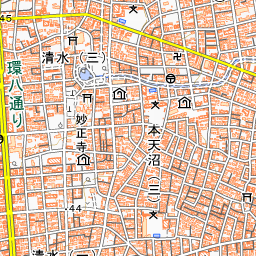
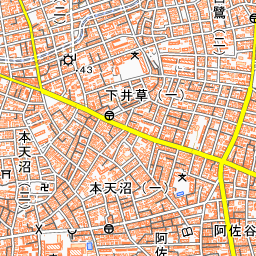
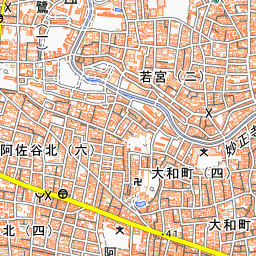
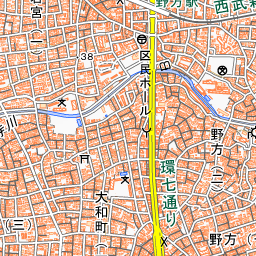
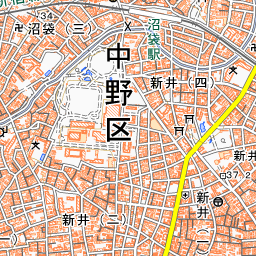
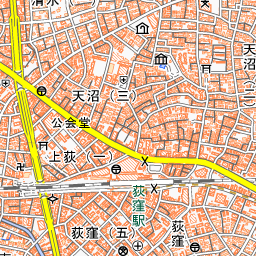
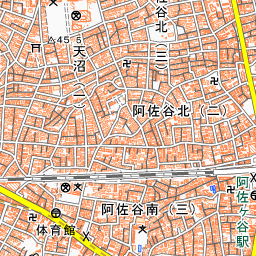
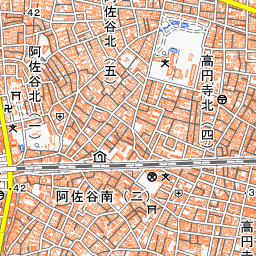
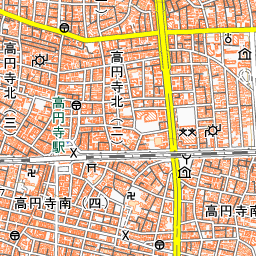
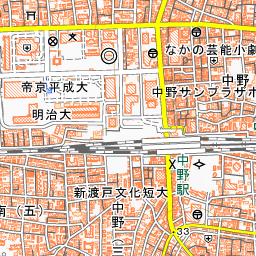
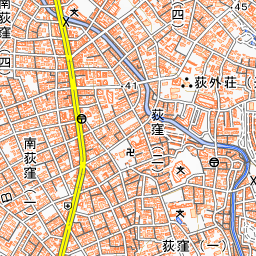
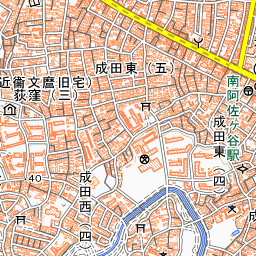
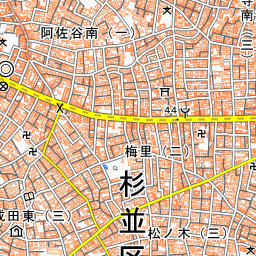
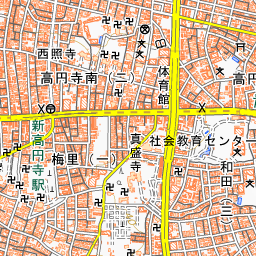
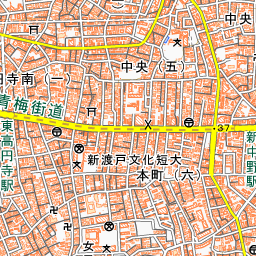
Spot location © OpenStreetMap contributors (ODbL)
Open in Google MapsUse asobot while you walk
- See where you are on the map and find spots nearby
- Listen to the guide's audio in course order, one after another (with subtitles)
- Walk to the next spot while following the map
Open on your phone
Scan to open this spot in asobot on your phone.