 ✨ AI Generated
Arai Yakushi Baisho-in Temple
Japanese: 新井薬師 梅照院
Nakano City, Tokyo
This information was written by AI and may contain mistakes. Please check official sources for opening hours, fees, and other details before you go.
Found a mistake? Let us know with “✏️ Something's wrong” on this spot's screen in asobot →
🎧 Audio guide(1:00)
In short
Arai Yakushi Baisho-in Temple is a Buddhist temple belonging to the Buzan School of Shingon Buddhism, affectionately known by the name "Arai Yakushi." In the early Edo period, the daughter of the second shogun, Tokugawa Hidetada, was said to have been cured of a severe eye ailment after prayers were offered to the principal image here, and the temple has since gathered faith as a "Yakushi for the eyes."
- A Hidden Buddha of Two Deities in One Body: The principal image is an extremely rare statue in Japan, featuring two deities—Yakushi Nyorai and Nyoirin Kannon—carved back to back. Because it is a hidden Buddha (hibutsu), it is unveiled only in the Year of the Tiger.
- A Buddha That Appeared from a Plum Tree: The origin of the name Baisho-in Temple comes from the legend that an old plum tree's branch glowed with light, and the principal image appeared from its hollow.
- Fairs on Days Ending in 8: On the 8th, 18th, and 28th of every month, a fair called the "Hachi no Ichi" is held, bustling with stalls selling antiques, flowers, and more.
History and Highlights
Arai Yakushi Baisho-in Temple belongs to the Buzan School of Shingon Buddhism, and its formal name is Araizan Baisho-in Yakuo-ji Temple. Combined with the local place name Arai, it has long been known by the familiar name "Arai Yakushi." Alongside Takaosan Yakuo-in Temple on Mt. Takao and others, it is counted as one of the Four Great Yakushi Temples of the Buso region.
The temple's origin is tied to a legend about a plum tree. A wandering monk named Gyoshun settled in this area, and one night he saw light shining from the branch of an old plum tree in the garden. When he had a woodcutter inspect the plum tree, a sacred statue of two deities in one body is said to have appeared from a hollow in the branch. It is told that the temple was named Baisho-in (meaning "plum illumination temple") after the shining light radiating from the plum tree. It was founded in Tensho 14 (1586).
The principal image is a golden seated statue measuring 1 sun 8 bu (approx. 5.5 cm) that features two deities, Yakushi Nyorai and Nyoirin Kannon, arranged back to back, making it an exceptionally rare sacred image in Japan. It is said to have been crafted by Kobo Daishi and is kept as a hidden Buddha.
In Kanei 6 (1629), the fifth daughter of the second shogun Tokugawa Hidetada, who later came to be called Tofukumon-in, fell ill with a serious eye disease. When she sent an envoy to pray to this principal image, it is said that the illness was completely cured. This story spread throughout Edo, and the temple came to be known as the Chigan Yakushi (eye-curing Yakushi). In addition, based on an account where the chief priest received the instructions for making medicine from Yakushi Nyorai in a dream and administered it to afflicted children, it is also revered as Kosodate Yakushi (child-rearing Yakushi).
Viewing and Experience Points
- Main Hall and the Hidden Principal Image: Because the principal image is a hidden Buddha, it is unveiled only during the Year of the Tiger. On fair days, visitors can also view the interior of the main hall.
- Hakuryu Gongensui: A wellspring water within the grounds, which is said to have given rise to the place name Arai (meaning "new well"). Local residents can be seen visiting to draw water.
- Hachi no Ichi and Goma Fire Ritual: At the "Hachi no Ichi" fair held on the 8th, 18th, and 28th of every month, local shopping street vendors set up stalls with antiques, flowers, foodstuffs, and more. On these days, the goma fire ritual is also performed to purify the mind and body.
Walking Tips
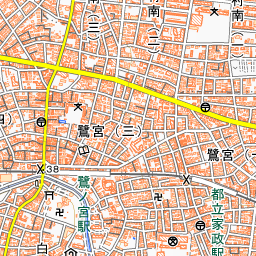
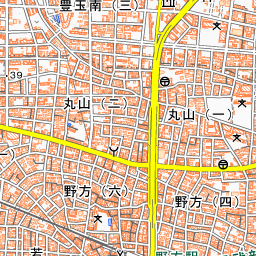
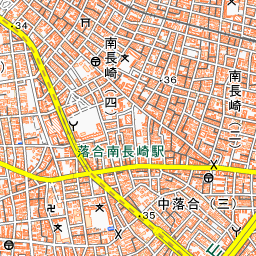
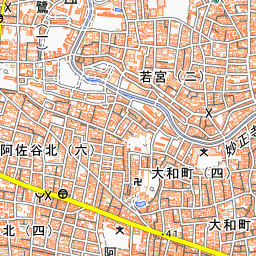
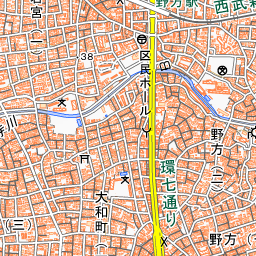
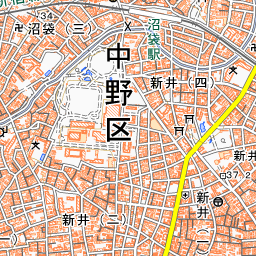
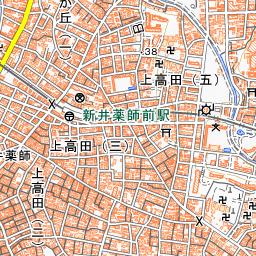
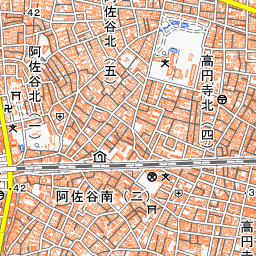
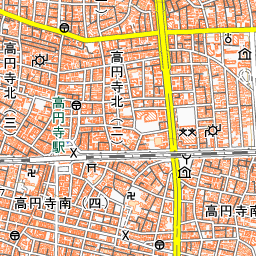
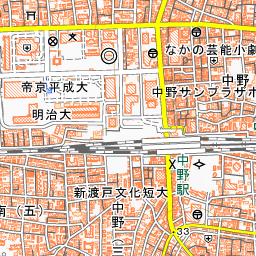
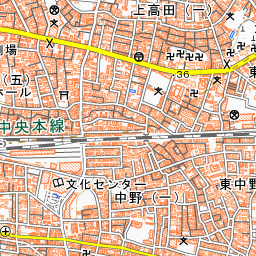
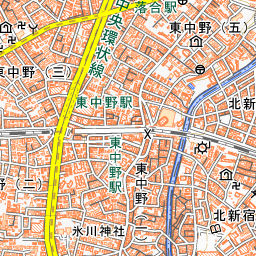
It is a 6-minute walk from Araiyakushi-mae Station on the Seibu Shinjuku Line, and a 13-minute walk from Nakano Station on the JR Chuo Line. If walking from the north exit of Nakano Station, heading south to north through "Yakushi Ai Road," a monzenmachi (temple-front street) that has long prospered in front of Arai Yakushi, will lead you to the temple ahead. Adjacent to the temple is Arai Yakushi Park, where cherry blossoms bloom in spring and attract many flower-viewing visitors. It is located about 570 meters north of Nakano Broadway. Photography is prohibited within the temple grounds, so please put cameras away and worship quietly.



Spot location © OpenStreetMap contributors (ODbL)
Open in Google MapsGuides that include this spot (1)
Use asobot while you walk
- See where you are on the map and find spots nearby
- Listen to the guide's audio in course order, one after another (with subtitles)
- Walk to the next spot while following the map
Open on your phone
Scan to open this spot in asobot on your phone.