 ✨ AI Generated
Oji-jinja Shrine
Japanese: 王子神社
Kita City, Tokyo
This information was written by AI and may contain mistakes. Please check official sources for opening hours, fees, and other details before you go.
Found a mistake? Let us know with “✏️ Something's wrong” on this spot's screen in asobot →
🎧 Audio guide(1:07)
In short
This shrine is the origin of the place name "Oji." It is said that in 1322, the local lord of the Toshima clan welcomed Oji Okami from the three shrines of Kumano in Kishu. During the Edo period, it became a prayer hall for the shogunal family, and in the first year of the Meiji period, it was designated as one of the junchokusai-sha (associate imperial-order shrines). Today it is counted as one of the Tokyo Jissha (Ten Shrines of Tokyo).
- Giant Ginkgo: A natural monument designated by the Tokyo Metropolitan Government, said to be 600 years old. It was the sole survivor when war damage burned down most of the shrine grounds.
- Black and Gold Main Hall: Reconstructed after the war, this main hall was built in the gongen-zukuri style with black lacquer and gold leaf.
- Oji Dengaku: A dance dedicated during the annual grand festival, designated by Kita Ward as an intangible folk cultural property. Child dancers wearing vividly colored flower hats perform the dance.
History and Highlights
Oji-jinja Shrine enshrines five deities collectively as "Oji Okami." The exact date of its founding is not known in detail. It is said that in 1322, the local lord of the Toshima clan invited Oji Okami from the Kumano Sanzan (three shrines of Kumano) in Kishu, naming it "Nyakuichi Oji-gu" and arranging the landscape after Kumano. From that time on, this area came to be known as Oji. The Shakujii River flowing below the shrine is also called the Otonashi River in this vicinity.
Entering the Tokugawa era, Tokugawa Ieyasu donated 200 koku of red-seal land in 1591 and designated it as a prayer hall for the shogunal family. Under the name "Oji Gongen," it also became one of the famous sights of Edo. The third shogun, Tokugawa Iemitsu, newly constructed a shrine hall in 1634. The eighth shogun, Tokugawa Yoshimune, who hailed from the Kishu Tokugawa clan, donated Asukayama in 1737 and planted many cherry trees there. This served as the foundation of today's Asukayama Park.
In the first year of the Meiji period, it was designated as one of the junchokusai-sha (associate imperial-order shrines), and today it is counted as one of the Tokyo Jissha (Ten Shrines of Tokyo). During the war, most of the grounds, including the shrine buildings, were destroyed by fire. After the war, the parishioners worked hard for its reconstruction, leading to its current appearance through the first phase of construction in 1964 and the second phase in 1982.
Viewing and Experience Points
- Giant Ginkgo: Designated as a Tokyo Metropolitan Natural Monument under the name "Ginkgo of Oji-jinja Shrine." Said to be 600 years old, it is a single tree that survived the war. As it is a male tree, it does not produce ginkgo nuts, but its autumn foliage is splendid.
- Main Hall and Parenting Komainu: The shrine hall is built in the gongen-zukuri style, adorned with black lacquer and gold leaf. Facing the shrine hall, the komainu (guardian lion-dog) on the right is a father holding a ball, and the one on the left is a mother protecting her child; they were erected as "parenting komainu."
- Oji Dengaku: A dance dedicated at the annual grand festival and designated as an intangible folk cultural property by Kita Ward. Young dancers wearing colorful flower hats hold small drums and sasara (percussion instruments), dancing to the tunes of flutes and drums while changing formations, conveying the atmosphere of the medieval period to the present day. Carvings of the dengaku dance can also be seen on the body of the main portable shrine (honsha mikoshi), which is housed in a glass-walled storage.
Walking Tips
It is a 3-minute walk from the North Exit of Oji Station on the JR Keihin-Tohoku Line and Exit 3 of Oji Station on the Tokyo Metro Namboku Line. The grand torii gate at the entrance is about 8.6 meters tall, making it one of the largest stone torii gates in Tokyo. It is recommended to read the shrine's history on the information board beside the approach before heading to the shrine hall. Seki-jinja Shrine, a subordinate shrine on the grounds, is an uncommon shrine nationwide dedicated to the "ancestral god of hair."
The annual grand festival, "Yari Matsuri" (Spear Festival), takes place over three days in early August, and a Kumade Market (rake market) is held on December 6.
Immediately to the south lies Otonashi Shinsui Park. Asukayama Park is about 430 meters to the southeast, and Oji Inari-jinja Shrine is about 390 meters to the northwest.
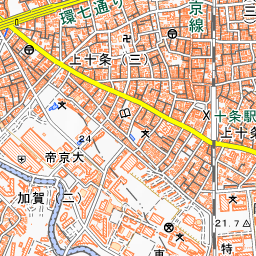
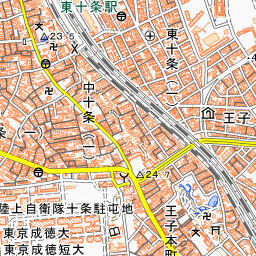
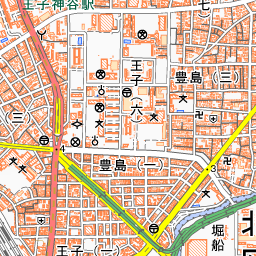
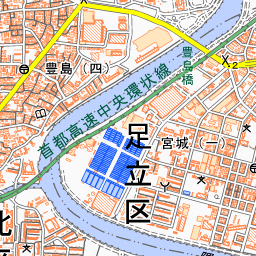
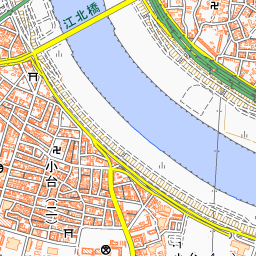
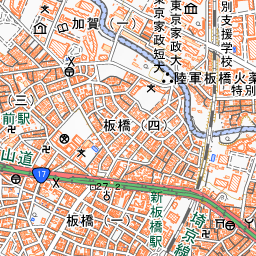
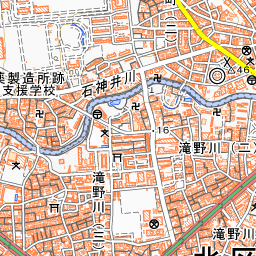
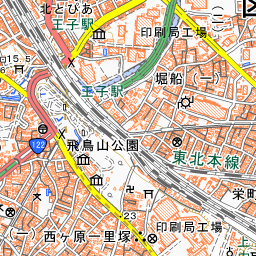
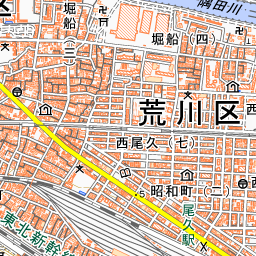
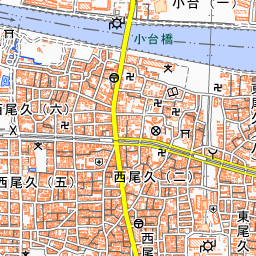
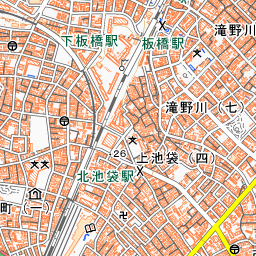
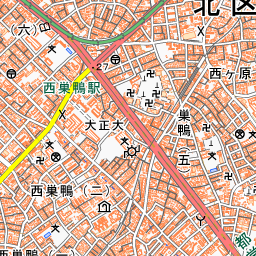
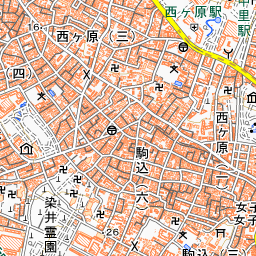
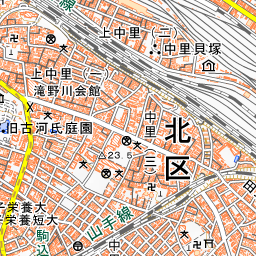
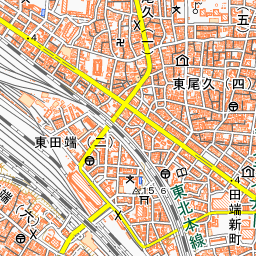
Spot location © OpenStreetMap contributors (ODbL)
Open in Google MapsUse asobot while you walk
- See where you are on the map and find spots nearby
- Listen to the guide's audio in course order, one after another (with subtitles)
- Walk to the next spot while following the map
Open on your phone
Scan to open this spot in asobot on your phone.