 ✨ AI Generated
Nara National Museum
Japanese: 奈良国立博物館
Nara City, Nara
This information was written by AI and may contain mistakes. Please check official sources for opening hours, fees, and other details before you go.
Found a mistake? Let us know with “✏️ Something's wrong” on this spot's screen in asobot →
🎧 Audio guide(1:03)
In short
Nara National Museum is a national museum that exhibits and houses numerous masterpieces, centered on Buddhist art. It opened in 1895 (Meiji 28) and is known as the venue for the annual autumn "Shosoin Exhibition."
- Meiji-Era Nara Buddhist Sculpture Hall: Designed by Katayama Tokuma and completed in 1894 (Meiji 27), this is Nara's first full-scale Western-style architecture. It is an Important Cultural Property and is scheduled to be closed for renovation from September 14, 2026, until around spring 2028.
- New Wings for the Shosoin Exhibition: The East New Wing and West New Wing serve as the venues for special exhibitions and the Shosoin Exhibition. The exterior design of the West New Wing incorporates the image of the Shosoin treasure house.
- Garden and Teahouse: In the Japanese garden on the south side sits the Hasso-an Teahouse, which originally stood in the garden of Daijo-in Temple at Kofuku-ji Temple. It can also be viewed through the south windows of the West New Wing.
History and Highlights
Nara National Museum opened in April 1895 (Meiji 28) as the Imperial Nara Museum. Its purpose was to preserve and exhibit the numerous masterworks and treasures passed down in shrines and temples, to make their value known to the world, and to cooperate in their protection. Prior to its opening, the Nara Exhibition was held at the Great Buddha Hall and its corridors at Todai-ji Temple, displaying items such as Shosoin treasures. Today, it exhibits and houses numerous masterpieces centered on Buddhist art.
The museum features four exhibition facilities: the Nara Buddhist Sculpture Hall, the Bronze Gallery, the East New Wing, and the West New Wing. The Nara Buddhist Sculpture Hall is the building that served as the main hall of the Imperial Nara Museum, completed in 1894 (Meiji 27) as Nara's first full-scale Western-style architecture. It was designed by Katayama Tokuma in the French Renaissance style. In 1969 (Showa 44), it was designated an Important Cultural Property as the "Former Imperial Nara Museum Main Hall." The facility normally displays nearly 100 Buddhist statues mainly from the Asuka period to the Kamakura period, but it is scheduled to be closed for renovation from September 14, 2026, until around spring 2028.
The West New Wing was completed in 1972 (Showa 47), and the East New Wing was completed in 1997 (Heisei 9). Yoshimura Junzo did the basic design for both. The 1st Shosoin Exhibition was held in October 1946 (Showa 21), drawing about 150,000 visitors over 22 days.
Highlights for Viewing and Experience
- Exterior and Entrance of the New Wings: The exterior design of the West New Wing incorporates the image of the Shosoin treasure house. The characters for "Nara National Museum" at the entrance of the new wing were assembled from "Zasshu" written by Emperor Shomu.
- Masterpiece Exhibitions and Special Exhibitions: In the West New Wing, masterpiece exhibitions of paintings, calligraphy, decorative arts, and archaeological artifacts are held. The East New Wing and West New Wing serve as venues for special exhibitions and the annual autumn Shosoin Exhibition.
- Garden and Hasso-an: In the approximately 4,000-square-meter Japanese garden along the approach to Kasuga-taisha Shrine, the Hasso-an Teahouse sits by the Shinji-ike Pond. Originally built in the mid-Edo period in the garden of Daijo-in Temple at Kofuku-ji Temple, it is said to reflect the taste of Furuta Oribe, and was relocated to the museum grounds in 1892 (Meiji 25). The garden is open to the public on designated days, and on days when the East and West New Wings are open, it can be viewed from the pilotis area facing the garden. It can also be viewed from the south windows of the West New Wing.
Walking Tips
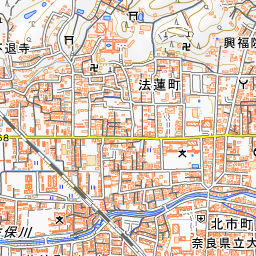
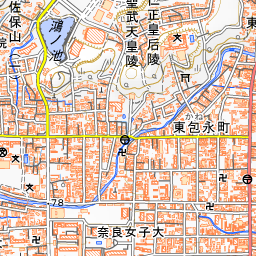
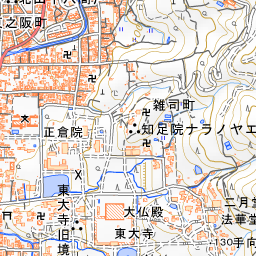
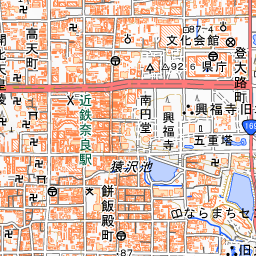
The 150-meter-long underground corridor is a connecting passage linking the Nara Buddhist Sculpture Hall with the East and West New Wings. It is a free zone that can be freely entered by non-ticket holders as well, featuring a museum shop and restaurant. The Bronze Gallery, connected by a covered walkway, exhibits ancient Chinese bronzes. From Kintetsu-Nara Station, it is about a 15-minute walk east along Nobori-oji Avenue. You can also walk to Himuro-jinja Shrine, about 140 meters to the north, and Ukimi-do Hall, about 330 meters to the south.

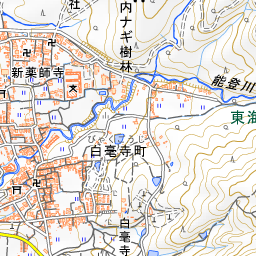
Spot location © OpenStreetMap contributors (ODbL)
Open in Google MapsGuides that include this spot (1)
Use asobot while you walk
- See where you are on the map and find spots nearby
- Listen to the guide's audio in course order, one after another (with subtitles)
- Walk to the next spot while following the map
Open on your phone
Scan to open this spot in asobot on your phone.