 ✨ AI Generated
Makiosan Sefuku-ji Temple (Makio-dera Temple)
Japanese: 槇尾山施福寺(槇尾寺)
Izumi, Osaka
This information was written by AI and may contain mistakes. Please check official sources for opening hours, fees, and other details before you go.
Found a mistake? Let us know with “✏️ Something's wrong” on this spot's screen in asobot →
🎧 Audio guide(1:08)
In short
A Tendai sect temple located halfway up Mt. Makio in Izumi City, and the fourth temple on the Saigoku 33 Kannon Pilgrimage. It is also affectionately known by the name Makio-dera Temple. It is said to have been founded by Gyoman Shonin by imperial decree of Emperor Kinmei during his reign, and it is also said that Kukai later received his tonsure at this temple. The principal image of the temple is Maitreya Bodhisattva (Miroku Bosatsu), and the pilgrimage image is the Eleven-Faced Thousand-Armed Thousand-Eyed Kannon Bodhisattva.
- Bato Kannon Showing the Soles of Its Feet: Associated with Retired Emperor Kazan, this Bato Kannon is a Kannon depicted showing the soles of its feet. It is worshipped as a Buddhist deity that protects the legs and lower back, to which people pray for long life and good health
- Approx. 5-Meter-Tall Katatagae Daikannon: Some people visit the Katatagae Daikannon to pray for protection against bad luck when building a new home, transferring jobs, changing careers, traveling, or getting married. The temple presents both the Katatagae Daikannon and the Bato Kannon as the only Kannon of their kind in Japan
- Mountaintop Views and the Four Seasons: From the temple, you can overlook Mt. Iwawaki to the south, Mt. Kongo to the east, and Osaka Bay to the north. Visitors can enjoy cherry blossoms in spring and autumn foliage in fall
History and Highlights
Sefuku-ji Temple is a Tendai sect temple located halfway up Mt. Makio (Makiosan) in Izumi City, and is the fourth temple on the Saigoku 33 Kannon Pilgrimage. It is also affectionately known by the name Makio-dera Temple.
The temple has an ancient history; it is said to have been founded by Gyoman Shonin by imperial decree of Emperor Kinmei during his reign, shortly after Buddhism was introduced to Japan. Its mountain name, Makiosan, was originally written as "巻尾山," designating it as a mountain where the deity of Mt. Makimuku was enshrined. It is also said that Kukai later received his tonsure (entered the Buddhist priesthood) at this temple under the guidance of his master, Gonso.
Originally a Shingon sect temple, it changed to the Tendai sect around the beginning of the Edo period. It suffered multiple large fires and was burned down by Oda Nobunaga in 1581. In 1603, the mountaintop halls were rebuilt by Toyotomi Hideyori and Yodo-dono. The halls and pagodas were also burned in a forest fire during the Koka era, but the large Buddhist statues inside the halls were carried out to safety. The principal image of the temple is Maitreya Bodhisattva (Miroku Bosatsu), and the pilgrimage image for the Saigoku 33 Kannon Pilgrimage is the Eleven-Faced Thousand-Armed Thousand-Eyed Kannon Bodhisattva. It is also an ancient temple of sutra dedication where sutra mounds were constructed; sutra cylinders and other artifacts dating from the Heian to the Muromachi periods have been excavated from the sutra mound ruins on the temple grounds.
Sights and Experiences
- Bato Kannon Showing the Soles of Its Feet: Associated with Retired Emperor Kazan, this Bato Kannon is a Kannon statue depicted showing the soles of its feet. It is worshipped as a deity that protects one's legs and lower back, granting longevity, prolonged life, and good health.
- Approx. 5-Meter-Tall Katatagae Daikannon: Katatagae Daikannon is a large Kannon statue standing about 5 meters tall, and visitors come to pray for protection against bad luck when building a new home, transferring jobs, changing careers, traveling, or getting married. The temple presents both this Katatagae Daikannon and the Bato Kannon as the only statues of their kind in Japan.
- Mountaintop Views and the Four Seasons: From the temple, you can overlook Mt. Iwawaki to the south, Mt. Kongo to the east, and Osaka Bay to the north. Visitors can enjoy cherry blossoms in spring and autumn foliage in fall. The temple's goeika (pilgrimage poem), which reads "Deep in the mountain path, parting through the cypress and pine fields, the steed is heartened upon reaching Makio-dera," also describes the journey along the path to this deep-mountain temple.
Tips for Exploring
To reach the temple, take a Nankai Bus from Izumi-Chuo Station on the Semboku Line, transfer to the on-demand shared transport service "Choisoko Izumi" operated by Izumi City, and get off at "Makiosan." Choisoko Izumi requires prior member registration and a ride reservation. From there, it is about a 30-minute uphill walk along the approach path to the temple. This approach is also designated as part of the Kinki Nature Trail. For those wishing to walk further, entering the Hinoharagoe—an old pilgrimage route of the Saigoku pilgrimage—will bring you to the Jugo-choishi Jizo (the Jizo at the 15th cho milestone) in about 60 minutes on foot from the temple. Please wear comfortable walking shoes and allow plenty of time for your visit.


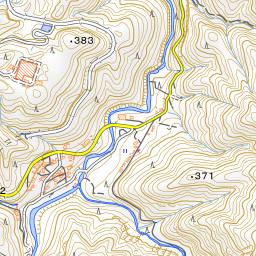


Spot location © OpenStreetMap contributors (ODbL)
Open in Google MapsUse asobot while you walk
- See where you are on the map and find spots nearby
- Listen to the guide's audio in course order, one after another (with subtitles)
- Walk to the next spot while following the map
Open on your phone
Scan to open this spot in asobot on your phone.