 ✨ AI Generated
Imamiya Ebisu-jinja Shrine
Japanese: 今宮戎神社
Naniwa Ward, Osaka
This information was written by AI and may contain mistakes. Please check official sources for opening hours, fees, and other details before you go.
Found a mistake? Let us know with “✏️ Something's wrong” on this spot's screen in asobot →
🎧 Audio guide(1:12)
In short
A shrine in Ebisunishi, Naniwa Ward, Osaka City, revered as "Ebessan," Osaka's god of commerce. The main hall enshrines five deities, including Kotoshironushi no Mikoto (known as Ebisu-sama). According to tradition, it began in the year 600, during the reign of Empress Suiko, when Prince Shotoku, while building Shitenno-ji Temple, enshrined the deity as a guardian of the temple's west.
- Toka Ebisu: A Shinto ritual held annually for three days on January 9, 10, and 11. Resounding with energetic chants of "Prosperity in business, bring the bamboo branches!" (shobai hanjo de sasa mottekoi), it attracts over approximately 1 million worshippers over the three days. The lucky charms tied to the bamboo branches are also called "kiccho," but at this shrine they have traditionally been called "kodakara"
- Fukumusume and the Hoekago Procession: "Fukumusume" (lucky maidens) wearing matching kimono with chihaya (ceremonial robes) and gold eboshi hats tie paper amulets and kiccho charms to visitors' bamboo branches. The Hoekago (palanquin) procession, which originated when geisha from the Minami district visited the shrine in palanquins, also adds color to Toka Ebisu
- The Gong Behind the Shrine Building: After worshipping, it is customary to go around to the back of the shrine building, strike a bronze gong, and make your prayer once more
History and Highlights
Imamiya Ebisu-jinja Shrine is a shrine located in Ebisunishi, Naniwa Ward, Osaka City, and is widely revered as the home of Osaka's god of commerce, "Ebessan." The main hall enshrines five deities: Kotoshironushi no Mikoto (known as Ebisu-sama), Amaterasu Sumeokami, Susanoo no Mikoto, Tsukuyomi no Mikoto, and Wakahirume no Mikoto. According to tradition, its origins date back to the year 600 during the reign of Empress Suiko, when Prince Shotoku enshrined it as a guardian deity of the west while building Shitenno-ji Temple.
This area was once along the coast, and Ebisu-sama was originally a guardian deity of fishing. In the late Heian period, a market known as the "Hama no Ichi" began to be held at the western gate of Shitenno-ji Temple. The shrine came to be worshiped as the guardian deity of that market as well, and eventually grew into a deity deeply revered as one who grants good fortune and to whom people pray for commercial prosperity. Toyotomi Hideyori ordered Katagiri Katsumoto to construct the shrine buildings. Although all the shrine buildings were completely destroyed by war damage in 1945, the main hall was reconstructed in 1956.
Points for Viewing and Experiencing
- Toka Ebisu: A Shinto ritual held annually for three days on January 9, 10, and 11. Resounding with energetic chants of "Prosperity in business, bring the bamboo branches!" (shobai hanjo de sasa mottekoi), the festival attracts over approximately 1 million worshippers over the three days. The lucky charms tied to the bamboo branches are also called "kiccho," but at this shrine they have traditionally been called "kodakara," grouping together items such as oval gold coins (koban), rice bales, sea bream, and the mallet of luck (uchide no kozuchi).
- Fukumusume and the Hoekago Procession: During Toka Ebisu, "fukumusume" (lucky maidens) wearing matching kimono with chihaya (ceremonial robes) and gold eboshi hats tie paper amulets and kiccho charms to visitors' bamboo branches. The colorful Hoekago (palanquin) procession, which originated when geisha from the Minami district visited the shrine in palanquins, also adds vibrant spectacle to Toka Ebisu.
- The Gong Behind the Shrine Building: Following the worship at the front, it is customary to walk around to the back of the shrine building, strike a bronze gong, and make your prayer once more.
Walking Tips
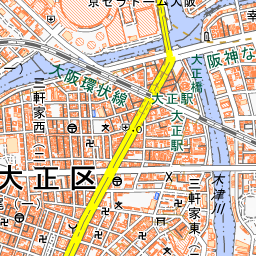
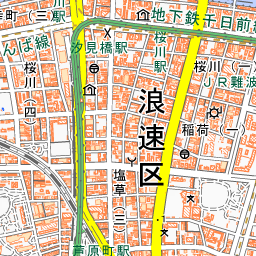
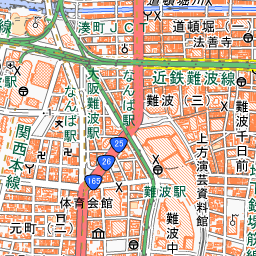
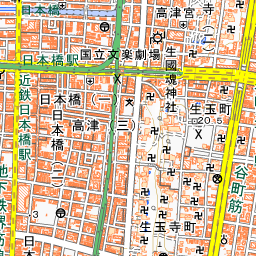
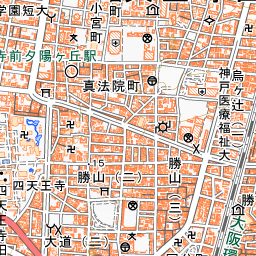
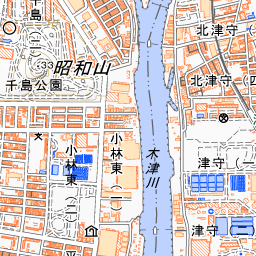
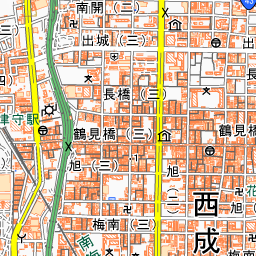
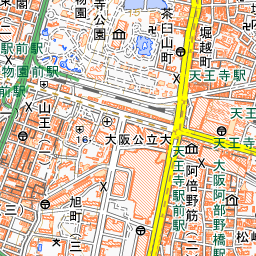
It is just east of Imamiyaebisu Station on the Nankai Koya Line. From Exit 5 of Ebisucho Station on the Osaka Metro Sakaisuji Line, it is about an 8-minute walk to the west. Tsutenkaku Tower and Shinsekai lie about 500 meters to the southeast, while Den Den Town is about 540 meters to the northeast, allowing them to be visited together on foot. Kotoshironushi no Mikoto, or Ebisu-sama, is also revered as a god governing wisdom and language, and has been worshipped as a guardian deity of young children.
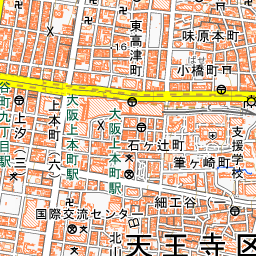
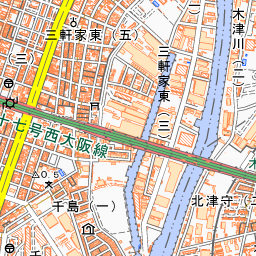

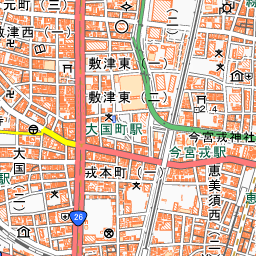
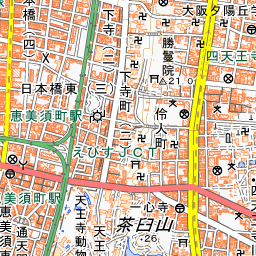


Spot location © OpenStreetMap contributors (ODbL)
Open in Google MapsGuides that include this spot (1)
Use asobot while you walk
- See where you are on the map and find spots nearby
- Listen to the guide's audio in course order, one after another (with subtitles)
- Walk to the next spot while following the map
Open on your phone
Scan to open this spot in asobot on your phone.