 ✨ AI Generated
Kumata-jinja Shrine
Japanese: 杭全神社
Hirano Ward, Osaka
This information was written by AI and may contain mistakes. Please check official sources for opening hours, fees, and other details before you go.
Found a mistake? Let us know with “✏️ Something's wrong” on this spot's screen in asobot →
🎧 Audio guide(1:14)
In short
A shrine located in the northeastern corner of Hirano-go, enshrining the divine couple Izanagi-no-Mikoto and Izanami-no-Mikoto, along with their son, Susanoo-no-Mikoto. According to the shrine's history, Gion-sha Shrine, founded in 862 (Jogan 4) by Masamichi, the son of Hironomaro, who was himself a son of Sakanoue no Tamuramaro, is now the First Main Sanctuary.
- Three Main Sanctuaries: The main sanctuaries stand side by side from the left as the First, Second, and Third Sanctuaries, and all three are designated as National Important Cultural Properties. The First Sanctuary was created in 1711 (Shotoku 1) by relocating the main sanctuary of Kasuga Taisha Shrine in Nara
- The Nation's Only Extant Rengasho: The present rengasho was rebuilt in 1708 (Hoei 5) and is a cultural property of Osaka City. The renga gatherings, which had declined since the Meiji period, were revived in 1987, and the Hirano Horaku Rengakai gatherings continue to be held today
- Danjiri Summer Festival: Held annually from July 11 to 14, the festival features nine danjiri (floats) pulled by nine neighborhoods. On the night of the 13th, the danjiri enter the shrine grounds one after another over the course of about four and a half hours
History and Highlights
Kumata-jinja Shrine is a shrine located in the northeastern corner of Hirano-go. It enshrines the divine couple Izanagi-no-Mikoto and Izanami-no-Mikoto, along with their son, Susanoo-no-Mikoto.
According to the shrine's history, in the early Heian period, Hironomaro, the son of the Seii Taishogun (shogun) Sakanoue no Tamuramaro, was granted the Kumata-no-sho estate and settled in this area. In 862, his son Masamichi founded Gion-sha Shrine to enshrine Susanoo-no-Mikoto, which is now the First Main Sanctuary (Daiichi Honden). Later, in 1190, the Third Main Sanctuary (Daisan Honden) was established to enshrine Kumano Shojo Gongen, and in 1321, the Second Main Sanctuary (Daini Honden) was built to welcome Kumano Sansho Gongen, at which time Emperor Go-Daigo bestowed an imperial plaque bearing the name "Kumano Sansho Gongen."
During the Sengoku period, Hirano-go developed into a self-governing city second only to Sakai. The tradition of renga (linked verse) at this shrine began in the Kamakura period, and it is said to have flourished during the Muromachi period, centered around the "Seven Prestigious Families of Hirano" who claimed descent from the Sakanoue family.
Viewing and Experience Points
- Three Main Sanctuaries: The main sanctuaries stand side by side from left to right as the First, Second, and Third Sanctuaries, and all three are designated as National Important Cultural Properties. The Second and Third Sanctuaries were built in 1513, while the First Sanctuary was created in 1711 by relocating the main sanctuary of Kasuga Taisha Shrine in Nara.
- The Nation's Only Extant Rengasho: To the right when facing the haiden (worship hall), a "rengasho"—a dedicated building for composing linked verse—remains standing. The medieval rengasho was destroyed during the Siege of Osaka (Winter Campaign), and the present structure was rebuilt in 1708, designated as a cultural property of Osaka City. The renga gatherings, which had declined since the Meiji period, were revived in 1987, and the Hirano Horaku Rengakai gatherings continue to be held today.
- Danjiri Summer Festival: A summer festival is held annually from July 11 to 14, featuring nine danjiri (floats) pulled by nine different neighborhoods. On the night of the 13th, the danjiri enter the shrine grounds one after another over the course of about four and a half hours. It is one of Osaka's leading danjiri festivals, bustling with crowds said to exceed 300,000 people.
Strolling Tips
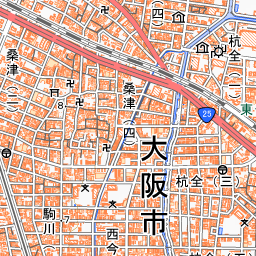
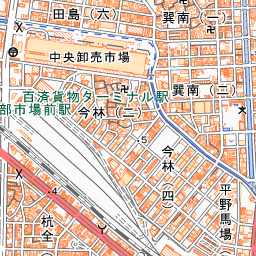
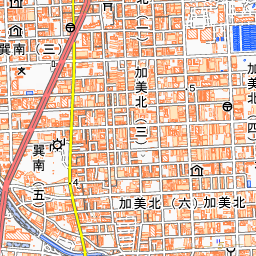
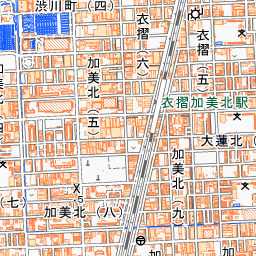
The shrine is about a 6-minute walk southeast from JR Hirano Station. Just to the left after passing through the torii gate stands a towering camphor tree designated as a natural monument of Osaka Prefecture, and on the northeastern side of the grounds, moats that once surrounded Hirano-go still remain. Every year on April 13, the Otaue Shinji, a ritual praying for a bountiful harvest by viewing the worship hall as a rice field, is held; it has been designated as a Selected Intangible Folk Cultural Property of Osaka Prefecture. In 2026, the Daimon (main gate) and Tamura-sha Shrine were also designated as tangible cultural properties of Osaka City. Approximately 430 meters to the west-southwest is Dainenbutsu-ji Temple, the head temple of the Yuzu Nenbutsu sect.
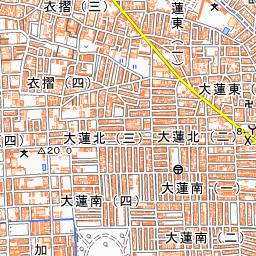
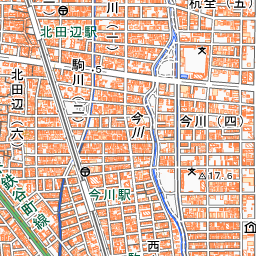
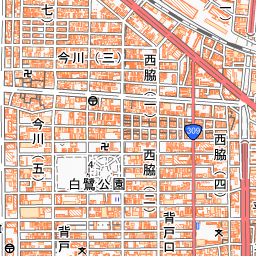
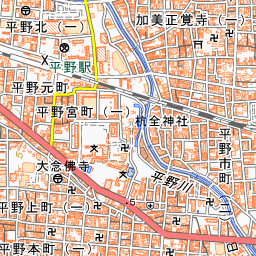
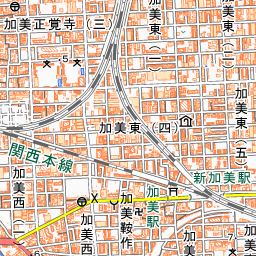
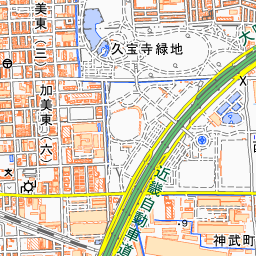
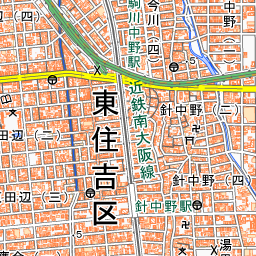
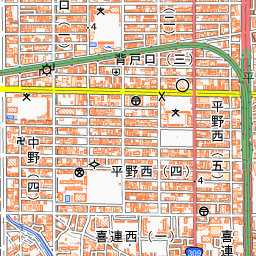

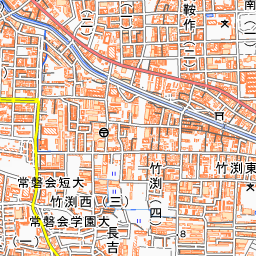
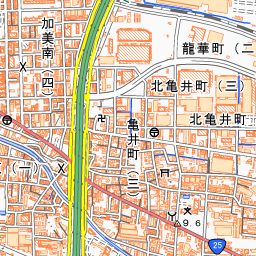
Spot location © OpenStreetMap contributors (ODbL)
Open in Google MapsGuides that include this spot (1)
Use asobot while you walk
- See where you are on the map and find spots nearby
- Listen to the guide's audio in course order, one after another (with subtitles)
- Walk to the next spot while following the map
Open on your phone
Scan to open this spot in asobot on your phone.