 ✨ AI Generated
Dotonbori
Japanese: 道頓堀
Chuo Ward, Osaka
This information was written by AI and may contain mistakes. Please check official sources for opening hours, fees, and other details before you go.
Found a mistake? Let us know with “✏️ Something's wrong” on this spot's screen in asobot →
🎧 Audio guide(1:16)
In short
One of the leading downtown entertainment districts in Osaka, and today a district that exemplifies Osaka's "kuidaore" (eating to ruin) culture. Excavation of the Dotonbori River, which gave the district its name, was begun in 1612 (Keicho 17) by Yasui Doton, who invested his personal fortune, and was completed in 1615 (Genna 1). Playhouses lined the riverbanks, and for hundreds of years Dotonbori was known as Japan's foremost theater district.
- Giant Signboards: Shops compete with neon lights and huge three-dimensional signboards, and the Glico "Running Man" near Ebisu Bridge, the giant crab with moving claws at "Kani Doraku," and the fierce-faced chef of "Kushikatsu Daruma," among others, are known even abroad
- Kuidaore Doll: A famous doll set up in front of "Osaka Meibutsu Kuidaore," which was founded in 1949 (Showa 24). Although the restaurant has closed, the doll still stands at the front of the Nakaza Cuidaore Building
- Riverside Promenade: In December 2004 (Heisei 16), the waterfront promenade "Tombori River Walk" was created along both banks of the river between Midosuji and Sakaisuji
History and Highlights
Dotonbori is one of the leading downtown entertainment districts in Osaka. The Dotonbori River, which gave the district its name, began excavation in 1612 (Keicho 17) when Yasui Doton invested his personal fortune. Although Doton died in battle during the Siege of Osaka (Summer Campaign), his relative Doboku and others continued the work, completing it in 1615 (Genna 1). Originally called Minamihorikawa, it is said that Matsudaira Tadaakira named it Dotonbori to honor Doton's achievements.
Later, one of Doton's associates obtained permission to relocate a nearby theater district to this new area, leading to playhouses, waiting teahouses, and dining spots lining the riverbanks. The large playhouses lined up on the south bank were called the "Goza" (Five Theaters), and at the Takemoto-za puppet theater, Chikamatsu Monzaemon's "The Love Suicides at Sonezaki" premiered in 1703. For hundreds of years, Dotonbori was known as Japan's foremost theater district.
Entering the 20th century, playhouses vanished one after another with the arrival of the movie era, and the Nakaza, the last remaining of the Five Theaters, held its final performance in 1999. Meanwhile, dining establishments continued to flourish, and today's Dotonbori has become a district that exemplifies Osaka's "kuidaore" (eating to ruin) culture.
Highlights and Experiences
- Giant Signboards: Shops compete to draw customers' attention with neon lights and huge three-dimensional signboards. The Glico "Running Man" near Ebisu Bridge, the giant crab with moving claws at "Kani Doraku," and the fierce-faced chef of "Kushikatsu Daruma" are well known even abroad.
- Kuidaore Doll: A famous doll originally set up in front of "Osaka Meibutsu Kuidaore," which was founded in 1949 (Showa 24). Although the restaurant has closed, the doll still stands at the front of the Nakaza Cuidaore Building today.
- Riverside Promenade: In December 2004 (Heisei 16), the waterfront promenade "Tombori River Walk" was created along both banks of the river between Midosuji and Sakaisuji.
Tips for Exploring
It is located just steps from Namba Station. While the signboards glow dazzlingly at night, the daytime cityscape also offers new discoveries each time you visit. Within walking distance are Ebisu Bridge about 180 meters to the west, Hozenji Yokocho about 70 meters to the southwest, and Kuromon Market about 510 meters to the southeast. The traditions of the theater district are carried on at the National Bunraku Theatre, located about 530 meters to the east.

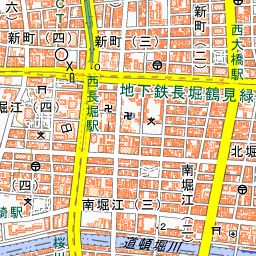
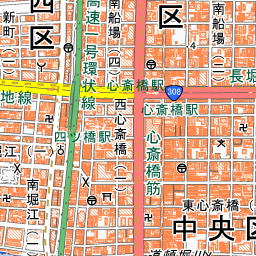
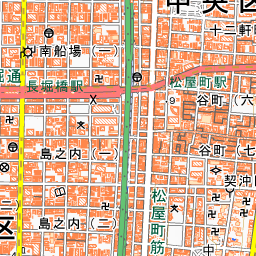
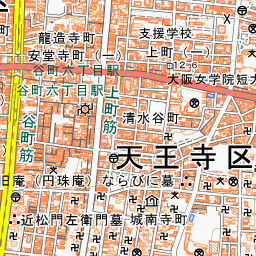
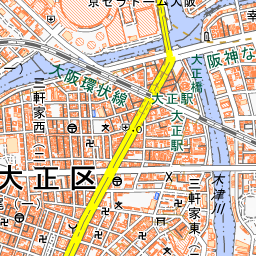
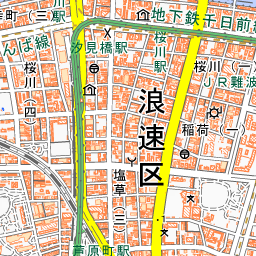
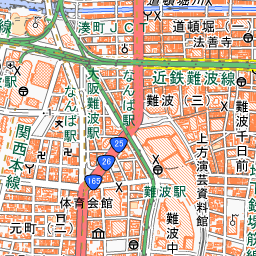
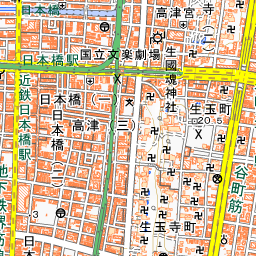
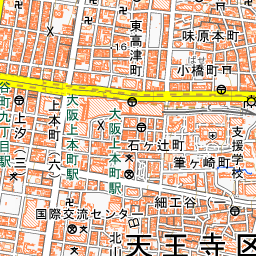
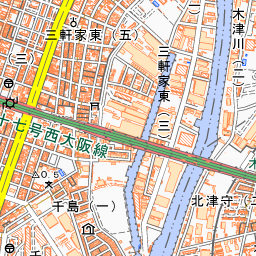

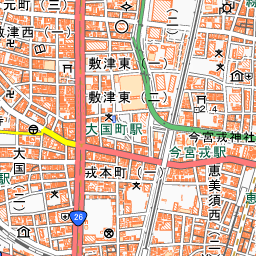
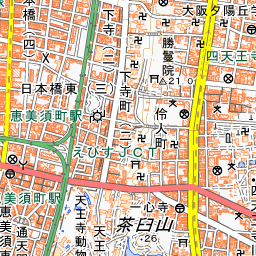
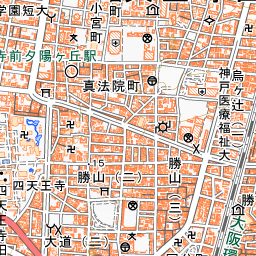
Spot location © OpenStreetMap contributors (ODbL)
Open in Google MapsGuides that include this spot (1)
Use asobot while you walk
- See where you are on the map and find spots nearby
- Listen to the guide's audio in course order, one after another (with subtitles)
- Walk to the next spot while following the map
Open on your phone
Scan to open this spot in asobot on your phone.