 ✨ AI Generated
Horikiri Iris Garden
Japanese: 堀切菖蒲園
Katsushika City, Tokyo
This information was written by AI and may contain mistakes. Please check official sources for opening hours, fees, and other details before you go.
Found a mistake? Let us know with “✏️ Something's wrong” on this spot's screen in asobot →
🎧 Audio guide(1:17)
In short
Horikiri Iris Garden is a municipal Japanese iris garden in Katsushika City. Horikiri is the birthplace of Japan's first sightseeing-style Japanese iris gardens, and during the Edo period, it was depicted in Utagawa Hiroshige's One Hundred Famous Views of Edo. Today's garden is based on a portion of the "Horikiri-en," which was the only garden restored after World War II.
- Approximately 6,000 Japanese irises across roughly 200 varieties: Centered around Edo varieties, it also includes old varieties dating back to the Edo period.
- A history as a famous spot continuing from Edo: It gained such acclaim that the Lord of Owari Domain presented calligraphy praising it as "Japan's No. 1 Iris."
- Seasonal flowers besides Japanese irises: Ume (plum), wisteria, wintersweet, and Chinese fringe flower can also be seen.
History and Highlights
Horikiri Iris Garden is a municipal park in Katsushika City. Located along the Ayase River, it is one of Katsushika City's sightseeing spots.
Horikiri is the birthplace of Japan's first sightseeing-style Japanese iris gardens. Regarding the beginning of cultivation, there are two theories: one states that a jito (local steward) of Horikiri Village grew them during the Muromachi period, while another suggests that farmers in Horikiri Village gathered and cultivated various varieties during the Bunka era of the Edo period. In the Edo period, a farmer named Odaka Izaemon increased varieties by receiving them from Matsudaira Sadatomo, a hatamoto (direct shogunal retainer), and Matsudaira's acquaintances. Matsudaira Sadatomo called himself "Sho-o" and dedicated over 60 years to the breeding and improvement of Japanese irises.
During the Tenpo era, Horikiri became known as a famous spot for Japanese irises and was depicted in many nishiki-e (color woodblock prints). It is also featured in Utagawa Hiroshige's One Hundred Famous Views of Edo as "Horikiri Iris." Tokugawa Naritaka, the Lord of Owari Domain, presented a piece of calligraphy reading "Japan's No. 1 Iris." Entering the Meiji era, gardens such as Horikiri-en and Yoshino-en opened one after another, and the Japanese irises were introduced to Europe and North America under the name "HORIKIRI TOKYO."
In the Showa period, the iris gardens closed one after another due to the effects of urbanization and war. Horikiri-en was the only one restored after the war. The Tokyo Metropolitan Government purchased a portion of it and opened it as a metropolitan park in 1959. In 1975, it was transferred to Katsushika City and became a city park.
Viewing and Experience Highlights
- Approximately 6,000 plants across roughly 200 varieties, centered around Edo irises: Japanese irises are classified into three lineages: Edo, Higo, and Ise. Horikiri is a representative famous spot of the Edo lineage. The garden also preserves old varieties that have continued since the Edo period.
- Varieties with poetic names: Rare varieties such as "Junihitoe," "Yoibijin," and "Geishoui" can be seen. "Junihitoe" is said to be one of the varieties that farmers of Horikiri Village gathered and cultivated.
- Seasonal flowers besides Japanese irises: Flowers of the four seasons can also be seen, such as ume (plum), wisteria, wintersweet, and Chinese fringe flower.
Walking Tips
It is about a 10-minute walk from Horikiri-shobuen Station on the Keisei Electric Railway.
According to Katsushika City's guidance, the best viewing time for Japanese irises is from late May to mid-June. During the peak season in June, the "Katsushika Iris Festival" is held, enlivening the entire town.
In the Edo period, Horikiri's iris gardens were characterized by gently elevated artificial hills (tsukiyama) and spacious iris paddies (shobuda), serving as subjects for many ukiyo-e artists. As you walk through the grounds, try imagining the scenes from Hiroshige's prints. If you wish to take a break, you can enjoy tea and refreshments while viewing the garden at the Seikantei pavilion within the grounds.
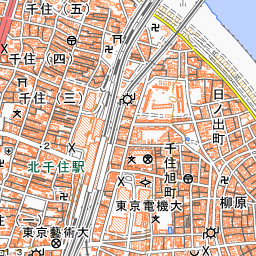
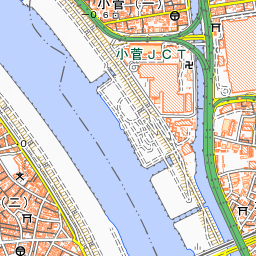
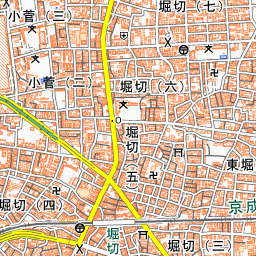
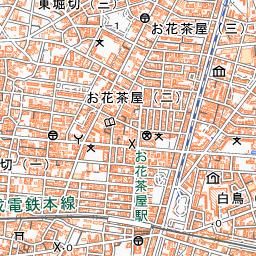
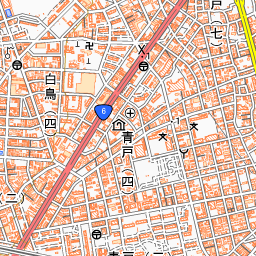

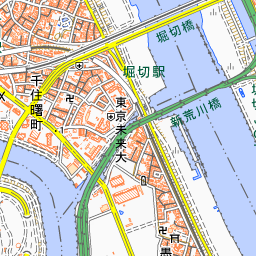
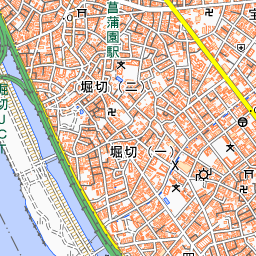
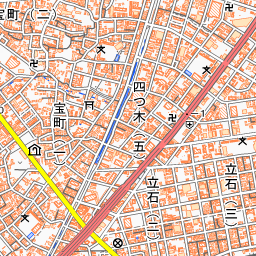

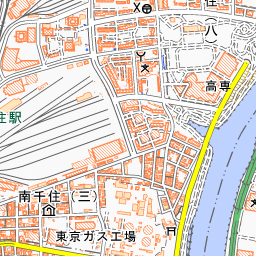
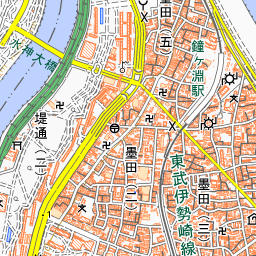
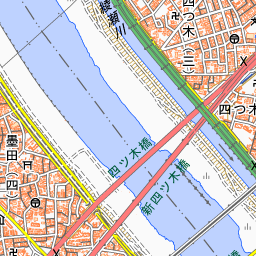
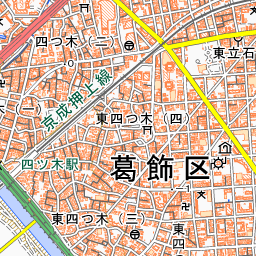
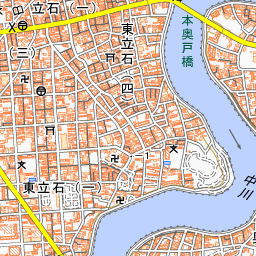
Spot location © OpenStreetMap contributors (ODbL)
Open in Google MapsUse asobot while you walk
- See where you are on the map and find spots nearby
- Listen to the guide's audio in course order, one after another (with subtitles)
- Walk to the next spot while following the map
Open on your phone
Scan to open this spot in asobot on your phone.