 ✨ AI Generated
Man'yo Botanical Garden
Japanese: 萬葉植物園
Nara City, Nara
This information was written by AI and may contain mistakes. Please check official sources for opening hours, fees, and other details before you go.
Found a mistake? Let us know with “✏️ Something's wrong” on this spot's screen in asobot →
🎧 Audio guide(1:10)
In short
Man'yo Botanical Garden is a botanical garden of Kasuga-taisha Shrine that cultivates plants mentioned in the Man'yoshu (Collection of Ten Thousand Leaves). Opened in 1932 (Showa 7), it is the oldest Man'yo botanical garden in Japan. Within its grounds of approximately 3 hectares, about 300 species of Man'yo plants and approximately 200 wisteria vines across 20 varieties are planted.
- Plants Viewed Alongside Poems: In the Man'yo Garden, ceramic plaques featuring representative Man'yo poems and explanations stand beside each plant.
- Wisteria at Eye Level: The wisteria in the Wisteria Garden are grown as free-standing trees, allowing visitors to view the blossoms at eye level without looking up as one would under a wisteria trellis.
- A Sacred Garden of Rock Arrangements: A garden expressing the world of the Kasuga Miya Mandala through a dry landscape (karesansui), representing deities such as the Omiya and Wakamiya with stone arrangements.
History and Highlights
Man'yo Botanical Garden opened in 1932 (Showa 7) as a botanical garden of Kasuga-taisha Shrine in Kasugano, an area closely associated with the Man'yoshu, planting approximately 300 species of Man'yo plants. It is the oldest Man'yo botanical garden in Japan.
The poems of the Man'yoshu mention about 180 types of plants under ancient Man'yo names. Many differ from their current botanical names, and counting those whose identification is disputed, around 300 types are considered Man'yo plants. Most are inconspicuous herbs and trees that closely supported daily life as food, medicine, dye, or building materials. This is a specimen garden designed to foster understanding of Man'yo plants. Human intervention is kept to a minimum, preserving them in their natural state.
Within the approximately 3-hectare grounds, the central Man'yo Garden section dates from the garden's initial opening. On the island in the central pond, a massive old tree designated as a cultural property by Nara City, the "Garyu no Ichii-gashi" (reclining dragon red-bark oak), thrives with its trunk lying long across the ground.
In the spring of 2025 (Reiwa 7), the Kasuga Gunpo-en Garden was opened to the public. To the south of the Tokaden hall within it lies the Shintei (sacred garden). It is a garden that expresses the world of the Kasuga Miya Mandala in a dry landscape, representing deities such as Omiya and Wakamiya through rock arrangements. The "Marumado" (round window), an Important Cultural Property built in the Kamakura period, is recognized by its thatched roof and large circular window. Kasuga-taisha Shrine itself is covered in the "Kasuga-taisha Shrine" spot guide.
Highlights for Viewing and Experiences
- Wisteria Garden: Wisteria is also the flower featured in the "sagari-fuji" (hanging wisteria) crest of Kasuga-taisha Shrine. Approximately 200 vines across 20 varieties are grown not on common overhead trellises, but as free-standing trees, allowing you to gaze at them at eye level without craning your neck. During the early blooming period, fragrant Jako-fuji and deep pink Showa-benifuji come into bloom.
- Ceramic Plaques and Tiny Herbs: Ceramic plaques displaying representative Man'yo poems and commentaries stand beside the plants. For instance, nanbangiseru is a parasitic plant that grows on the roots of plants such as Japanese silver grass (susuki). Because it resembles the bowed posture of a pensive woman, it was given the Man'yo name "omoigusa" (longing grass).
- Floating Stage and Dome-Shaped Maple: On the floating stage extending over the pond, the Man'yo Gagaku Festival is held on Children's Day and Culture Day, where court music (gagaku) and dance (bugaku) are offered. Beside it, a dome-shaped maple encircles the trunk of a chinaberry tree (sendan) and turns brilliant red in autumn.
Walking Tips
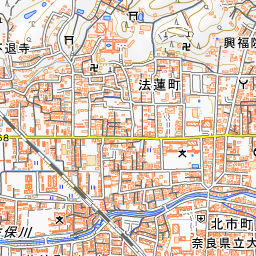
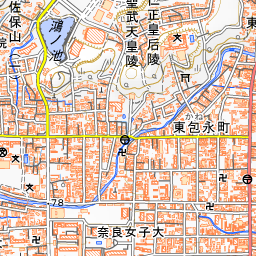
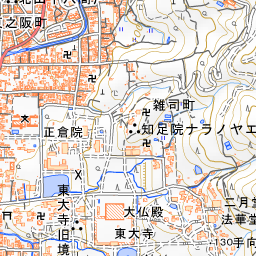
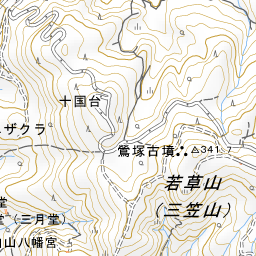
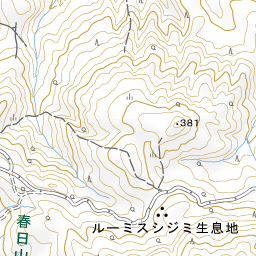
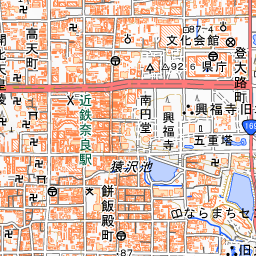
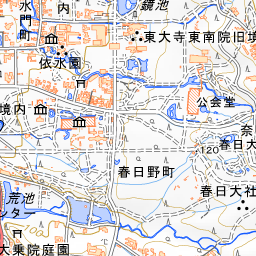
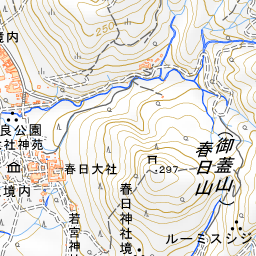
To reach the main gate, walk 3 minutes east along the approach from the "Kasuga-taisha Omotesando" bus stop. It is approximately a 25-minute walk from Kintetsu-Nara Station. In April and May, the east gate, located right next to the "Kasuga-taisha Honden" bus stop, is also open. Kasuga-taisha Shrine is approximately 210 meters to the southeast. Because wisteria blossoms often reach full bloom around the consecutive national holidays (Golden Week) and draw large crowds, visiting on weekdays during this period is recommended. Eating and drinking inside the garden are not permitted, nor is collecting acorns or fallen leaves.

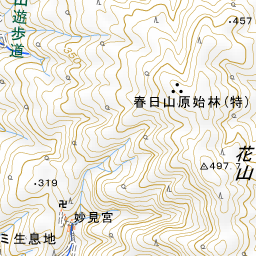
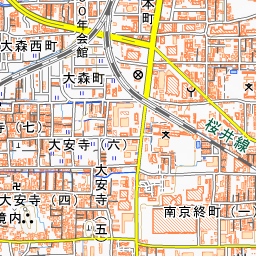
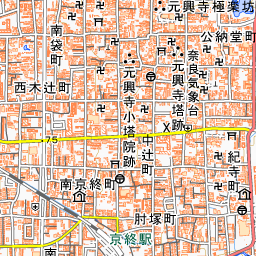
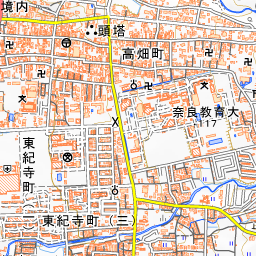
Spot location © OpenStreetMap contributors (ODbL)
Open in Google MapsUse asobot while you walk
- See where you are on the map and find spots nearby
- Listen to the guide's audio in course order, one after another (with subtitles)
- Walk to the next spot while following the map
Open on your phone
Scan to open this spot in asobot on your phone.