 ✨ AI Generated
Domyoji Tenmangu Shrine
Japanese: 道明寺天満宮
Fujiidera, Osaka
This information was written by AI and may contain mistakes. Please check official sources for opening hours, fees, and other details before you go.
Found a mistake? Let us know with “✏️ Something's wrong” on this spot's screen in asobot →
🎧 Audio guide(1:09)
In short
A shrine dedicated to Sugawara no Michizane, who is known as the deity of learning; Amenohohi no Mikoto, a distant ancestor of the Haji clan, and Kakujuni, Michizane's aunt, are also enshrined deities. The shrine originated as Haji Shrine of the Haji clan, who ruled this area. The treasure house preserves relics said to have been used by Michizane, and six items, including a round celadon inkstone (Seihakuji Enken), an ivory scepter (Geshaku), and a bronze mirror depicting Bo Ya playing the zither (Hakuga Dankin Kyo), are all National Treasures and are exhibited only on special days.
- Plum Grove with 800 Trees of 80 Varieties: In the plum grove behind the main hall, about 800 plum trees of roughly 80 varieties are planted, and a plum festival is held every year from February to March. The grove has also been selected as one of "Osaka's 100 Greenery Views"
- Shura, a Tool for Building Kofun Tumuli: In 1978 (Showa 53), "shura," sleds used for transporting huge stones, were excavated from the moat of the nearby Mitsuzuka Kofun Burial Mound. The shura on the shrine grounds are replicas made by the shrine and temple carpenter Nishioka Tsunekazu, with the larger one measuring about 8.8 meters in length
- Motomiya Haji Shrine and the Stroking Cow: Haji Shrine on the grounds was the main shrine before the Tenmangu shrine was founded, and it is still revered as a local guardian deity today. At the bronze stroking cow (Nade-ushi), visitors pray by stroking the part of the cow that matches the part of their own body they hope will get better
History and Highlights
Domyoji Tenmangu Shrine is a shrine dedicated to Sugawara no Michizane, who is known as the deity of learning. The enshrined deities are Sugawara no Michizane, Amenohohi no Mikoto (a distant ancestor of the Haji clan), and Kakujuni, who was Michizane's aunt.
The shrine originated as Haji Shrine of the Haji clan, who once ruled this area. It is said that Nomi no Sukune, who is considered the founder of sumo, was awarded the surname "Haji" and the land in this area for his achievement of creating haniwa (clay figures) to substitute for sacrificial burial, and that enshrining his distant ancestor Amenohohi no Mikoto marked the beginning of Haji Shrine. Later, at the request of Prince Shotoku, Haji Yashima offered his own residence to establish Haji-dera Temple.
Michizane often visited Kakujuni, who lived at Domyo-ji Temple. He also stopped by on his way to Dazaifu to bid a reluctant farewell, and it is said that he left a poem: Nakeba koso wakare mo ukere tori no ne no nakaran sato no akatsuki mo kana (Because it crows, parting is sorrowful; how I wish for a dawn in a village without the sound of a rooster). Because of this poem, the tradition that people living in the Domyoji area do not keep chickens has continued. After Michizane passed away, in the first year of the Tenryaku era (947), the remaining wooden statue was enshrined on the northern hill, his relics were dedicated as sacred treasures, and Haji-dera Temple was renamed Domyo-ji Temple. Following the separation of Shinto and Buddhism in the 5th year of the Meiji period, Domyo-ji Temple was moved across the road to the west.
The treasure house preserves relics said to have been used by Michizane. Six items, including a round celadon inkstone (Seihakuji Enken), an ivory scepter (Geshaku), and a bronze mirror depicting Bo Ya playing the zither (Hakuga Dankin Kyo), are all designated as National Treasures and are exhibited only on special days.
Viewing and Experience Highlights
- Plum Grove with 800 Trees of 80 Varieties: In the plum grove behind the main hall, about 800 plum trees of roughly 80 varieties are planted, and a plum festival is held every year from February to March. The grove has been selected as one of "Osaka's 100 Greenery Views," and the branches are pruned so that visitors can enjoy the plum blossoms at eye level.
- Shura, a Tool for Building Kofun Tumuli: In 1978, "shura"—wooden sleds used for transporting huge stones—were excavated from the moat of the nearby Mitsuzuka Kofun Burial Mound. The shura on the shrine grounds are replicas made by the shrine and temple carpenter Nishioka Tsunekazu, with the larger one measuring about 8.8 meters in length.
- Motomiya Haji Shrine and the Stroking Cow (Nade-ushi): Haji Shrine on the grounds was the main shrine before the Tenmangu shrine was founded, and it is still revered as a local guardian deity today. As for the bronze stroking cow, visitors rub the part of the cow corresponding to the area of their own body they wish to improve or heal while making their prayer.
Walking Tips
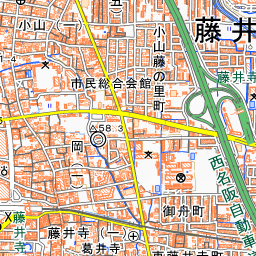
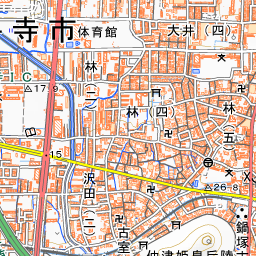
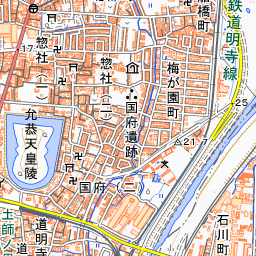
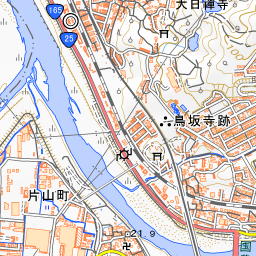
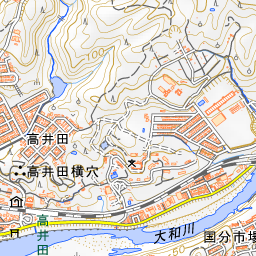
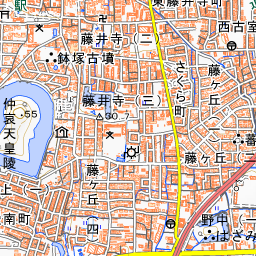
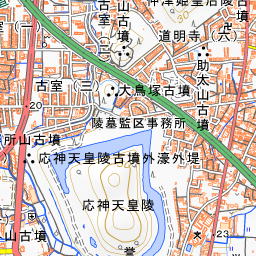
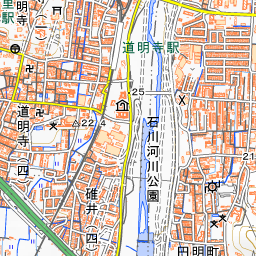
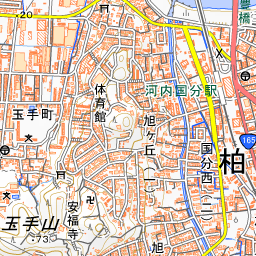
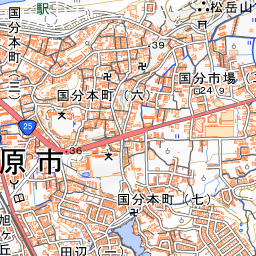
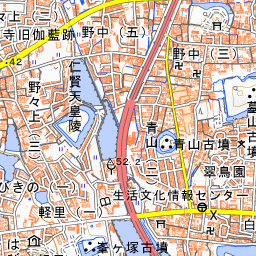
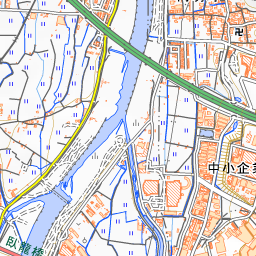
It is about a 3-minute walk from Domyoji Station on the Kintetsu Minami-Osaka Line. About 130 meters to the west lies Domyo-ji Temple, known for its principal image of the Eleven-faced Kannon, allowing you to visit both. Heading about 1 kilometer to the southwest brings you to Kondagobyoyama Kofun Burial Mound, which is regarded as the mausoleum of Emperor Ojin.

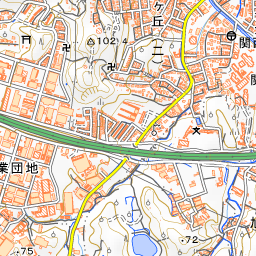
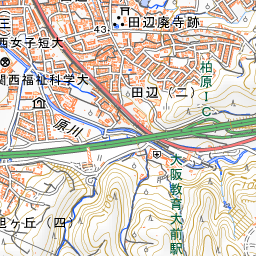
Spot location © OpenStreetMap contributors (ODbL)
Open in Google MapsGuides that include this spot (1)
Use asobot while you walk
- See where you are on the map and find spots nearby
- Listen to the guide's audio in course order, one after another (with subtitles)
- Walk to the next spot while following the map
Open on your phone
Scan to open this spot in asobot on your phone.