 ✨ AI Generated
Kan'ei-ji Temple
Japanese: 寛永寺
Taito City, Tokyo
This information was written by AI and may contain mistakes. Please check official sources for opening hours, fees, and other details before you go.
Found a mistake? Let us know with “✏️ Something's wrong” on this spot's screen in asobot →
🎧 Audio guide(1:08)
In short
Kan'ei-ji Temple is a grand head temple (daihonzan) of the Tendai sect, founded in 1625 by the high priest Tenkai on the Ueno plateau, which lay in the direction of the demon gate (the inauspicious northeast) from Edo Castle. Its mountain name, Toeizan, means "Mount Hiei of the East." It also served as a family temple for the Tokugawa shogun family, and six of the successive shoguns rest here.
- Konpon Chu-do Hall: The main hall, rebuilt in 1879 by relocating the Honji-do Hall from Kita-in Temple in Kawagoe, houses a sacred, hidden statue of Yakushi Ruriko Nyorai (the Medicine Buddha).
- Mausoleums of Tokugawa Shoguns: The Chokugakumon Gate and the water ablution pavilion (Suibansha), which escaped destruction from air raids, are designated as Important Cultural Properties. The mausoleums are normally closed to the public.
- Related Halls Remaining in Ueno Park: Structures such as Kiyomizu Kannon-do Hall and Shinobazunoike Benten-do Hall are also halls of Kan'ei-ji Temple, showing that this entire area was once part of the temple grounds.
History and Highlights
Kan'ei-ji Temple is a grand head temple (daihonzan) of the Tendai sect, founded in 1625 (Kan'ei 2) by the high priest Jigen Daishi Tenkai. It was built on the Ueno plateau, situated in the demon-gate direction (the inauspicious northeast) from Edo Castle, to pray for the peace and security of the Tokugawa shogunate and the tranquility of all people. This was modeled after Enryaku-ji Temple on Mount Hiei, which was positioned at the demon gate of the Kyoto Imperial Palace. The mountain name Toeizan means "Mount Hiei of the East," and the temple name was taken from the era name at the time of its founding, just like Enryaku-ji.
At its peak, the temple grounds covered about 305,000 tsubo, centered on what is now Ueno Park. Later, the mausoleum of the fourth shogun, Tokugawa Ietsuna, was built, and the temple came to also serve as a family temple for the Tokugawa shoguns.
During the Boshin War at the end of the Edo period, the Shogitai, a pro-shogunate unit, barricaded themselves within the grounds, and most of the temple complex was burned down. Furthermore, the Meiji government confiscated the temple land, and the majority of it became Ueno Park. Restoration was permitted in 1879. The Honji-do Hall was relocated from Kita-in Temple in Kawagoe to the former site of Daiji-in, a sub-temple, and was rebuilt as the Konpon Chu-do Hall. The principal image, Yakushi Nyorai, was moved out amid the turmoil of war and is now enshrined in the present Konpon Chu-do Hall. The "Aoi no Ma" room, where the 15th shogun Tokugawa Yoshinobu was confined under house arrest, also remains.
Points for Viewing and Experiencing
- Konpon Chu-do Hall: Originally built in 1638 as the Honji-do Hall of Kita-in Temple in Kawagoe. It is said to have been dismantled, loaded onto boats, and transported down the river to Tokyo. It is a structure with an irimoya (hip-and-gable) roof and unpainted walls. The principal image is a statue of Yakushi Ruriko Nyorai, said to have been carved by Dengyo Daishi Saicho himself, and is kept as a hidden Buddha (hibutsu).
- Mausoleums of Tokugawa Shoguns: Six of the successive shoguns rest at this temple. Mausoleums were built for Ietsuna, Tsunayoshi, Yoshimune, Ieharu, Ienari, and Iesada. Most of the structures were burned down in air raids, but the Chokugakumon Gate and the water ablution pavilion that survived are designated as Important Cultural Properties. The mausoleums and the Aoi no Ma room are normally not open to the public.
- Related Halls Remaining in Ueno Park: Halls such as Kiyomizu Kannon-do Hall, Shinobazunoike Benten-do Hall, and Kaisan-do Hall also belong to Kan'ei-ji Temple and are scattered throughout Ueno Park. The park's fountain plaza is the site where the Edo-period Konpon Chu-do Hall once stood. Built in 1698 (Genroku 11), that hall reached a height of 32 meters.
Visiting Tips
Kan'ei-ji Temple is adjacent to the north side of Ueno Park. It is a 10-minute walk from the South Exit of JR Uguisudani Station and a 15-minute walk from the Park Exit of JR Ueno Station. Tokyo National Museum is about 320 meters to the south-southeast.
If you walk from the fountain plaza in Ueno Park toward the museum to visit, you can see the site of the former main hall and the current main hall one after the other.
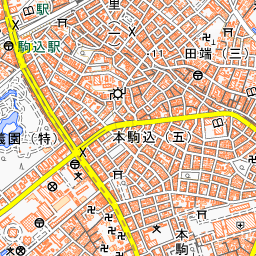


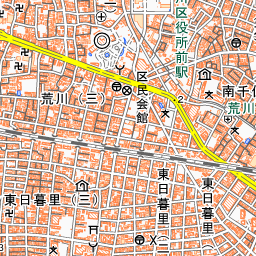
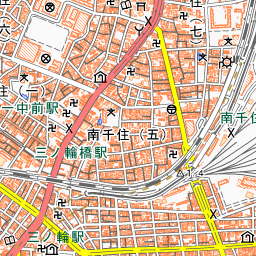
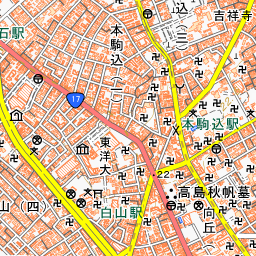

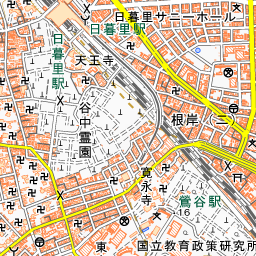
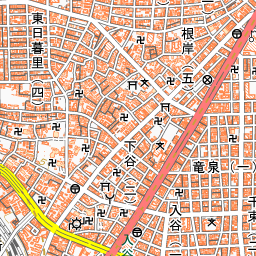
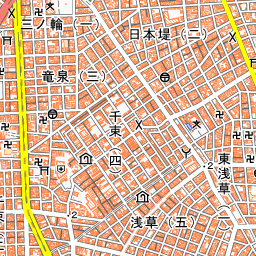

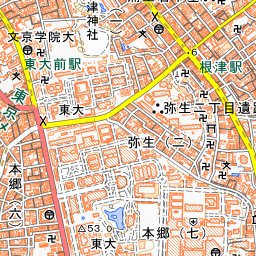

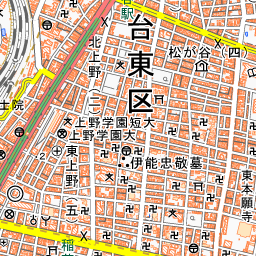

Spot location © OpenStreetMap contributors (ODbL)
Open in Google MapsGuides that include this spot (1)
Use asobot while you walk
- See where you are on the map and find spots nearby
- Listen to the guide's audio in course order, one after another (with subtitles)
- Walk to the next spot while following the map
Open on your phone
Scan to open this spot in asobot on your phone.