 ✨ AI Generated
Joren-ji Temple
Japanese: 乗蓮寺
Itabashi City, Tokyo
This information was written by AI and may contain mistakes. Please check official sources for opening hours, fees, and other details before you go.
Found a mistake? Let us know with “✏️ Something's wrong” on this spot's screen in asobot →
🎧 Audio guide(1:05)
In short
Located in Akatsuka, Itabashi Ward, this Jodo sect temple is known for the "Tokyo Daibutsu" (Great Buddha of Tokyo) on its grounds. Founded in the Muromachi period, it received red-seal land grants (shuinchi) from Tokugawa Ieyasu and was situated at Itabashi-shuku on the Nakasendo highway during the Edo period. Road construction during and after World War II reduced the temple grounds by half, prompting its relocation starting in 1971 to the site of the former second bailey (ninomaru) of Akatsuka Castle.
- Tokyo Daibutsu: A bronze statue of Amida Nyorai consecrated in 1977, measuring 13 meters in height from the base.
- Stone statues including the "Patient Demon": Eight stone statues from the Edo residence of the Todo family of Tsu Domain are designated as registered tangible cultural properties of the ward.
- Memorial Tower for the Tenpo Famine: The posthumous Buddhist names of 423 people who died during the Tenpo famine are engraved on its pedestal.
History and Highlights
Joren-ji Temple is a Buddhist temple belonging to the Jodo sect, and its principal image is Amida Nyorai. It is said to have originated as a thatched hut built in Yamanaka Village (around present-day Nakamachi, Itabashi Ward) during the Oei era (1394–1428) of the Muromachi period. Later, it is said to have relocated to Nakajuku of Itabashi-shuku on the Nakasendo.
It became the family temple (bodaiji) of Itabashi Shinano-no-kami Tadayasu, the local feudal lord, and in 1591, it received a red-seal land grant of 10 koku from Tokugawa Ieyasu. In 1743, the eighth shogun, Tokugawa Yoshimune, visited while on a hawking excursion, and the temple was later designated as a gozensho, a resting place for the shogun.
During and after World War II, the expansion of National Route 17 and the construction of the Shuto Expressway Route 5 Ikebukuro Line reduced the temple grounds by half. Consequently, over a span of seven years beginning in 1971, it relocated to its current site in Akatsuka. This location is the former second bailey of Akatsuka Castle, the castle where Chiba Yoritane resided.
Highlights and Experience
- Tokyo Daibutsu: An Amida Nyorai statue created through the vow of the head priest at the time and consecrated on April 11, 1977. Having lived through the Great Kanto Earthquake and the Bombing of Tokyo, the priest wished to memorialize the victims and pray that natural disasters and war devastation would never happen again. Made of bronze, it stands 13 meters tall from its pedestal, with the head alone measuring 3 meters, and weighs 32 tons. According to the temple, at the time of its completion it was the third-largest Great Buddha in Japan after those in Nara and Kamakura. It is also selected as one of the New Tokyo 100 Views.
- Stone Sculptures from the Former Todo Clan Somei Residence: These stone statues were originally placed at the Edo suburban residence (shimoyashiki) of the Todo family of Tsu Domain near Komagome. There are eight statues in total, including an amanojaku demon known as the "Patient Demon" (Gaman no Oni), Tekkai Sennin, Datsueba, Ebisu, Daikoku, Monju Bosatsu, Hoteison, and En no Gyoja. They became registered tangible cultural properties of the ward in 2011.
- Memorial Tower for the Tenpo Famine: The head priest of the time, when the temple was in Nakajuku, buried those who died at Itabashi-shuku at the temple and built this tower to pray for their repose. The pedestal is engraved with the posthumous Buddhist names of 423 people who died between March and November of 1837.
Walking Tips
It is a 25-minute walk from Shimo-Akatsuka Station on the Tobu Tojo Line and a 20-minute walk from Nishi-Takashimadaira Station on the Toei Mita Line. After offering prayers to the Great Buddha, take a stroll around the grounds, where the graves of Itabashi Shinano-no-kami Tadayasu and adventurer Uemura Naomi can also be found.
You can continue your walk to the Akatsuka Botanical Garden about 180 meters immediately to the south, the Itabashi Art Museum about 250 meters to the north, and the Itabashi City Local History Museum about 410 meters to the north.
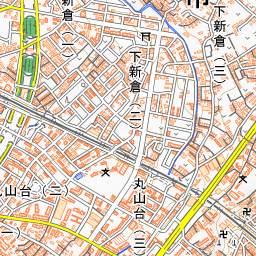
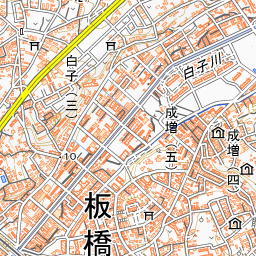
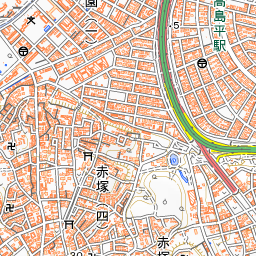

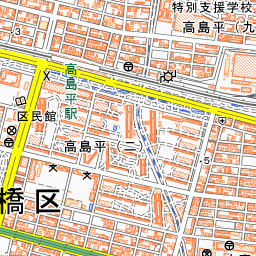
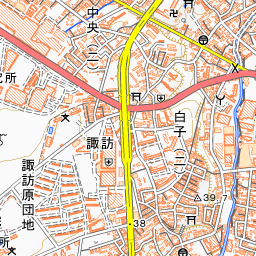
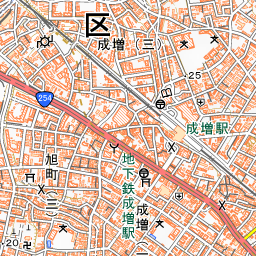
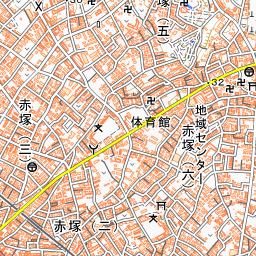
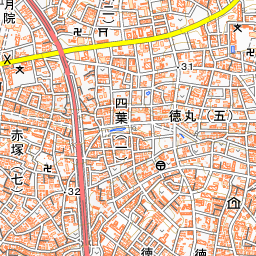
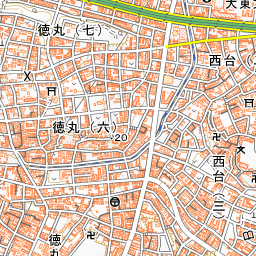
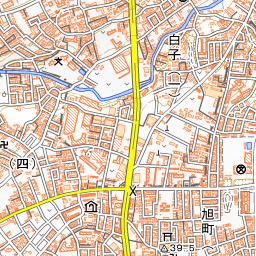
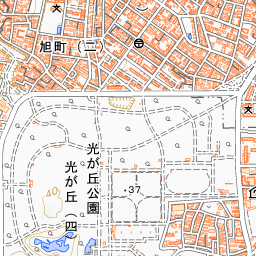
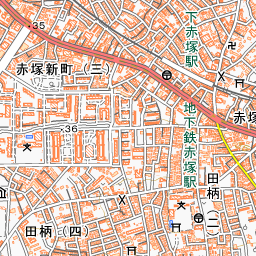
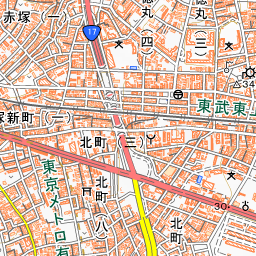
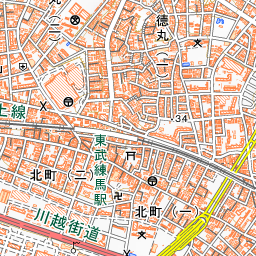
Spot location © OpenStreetMap contributors (ODbL)
Open in Google MapsGuides that include this spot (1)
Use asobot while you walk
- See where you are on the map and find spots nearby
- Listen to the guide's audio in course order, one after another (with subtitles)
- Walk to the next spot while following the map
Open on your phone
Scan to open this spot in asobot on your phone.