 ✨ AI Generated
Kuni Palace Site (Yamashiro Kokubun-ji Temple Site)
Japanese: 恭仁宮跡(山城国分寺跡)
Kizugawa, Kyoto
This information was written by AI and may contain mistakes. Please check official sources for opening hours, fees, and other details before you go.
Found a mistake? Let us know with “✏️ Something's wrong” on this spot's screen in asobot →
🎧 Audio guide(1:06)
In short
The Kuni Palace Site is the site of a Nara period capital in Mikanohara, Kamo-cho, Kizugawa City. In the 12th month of 740, Emperor Shomu moved the capital from Heijo-kyo to this place. The capital was named Kuni-kyo, and it remained the capital for only three years and three months, until 744, but during this time the Edict for the Construction of Kokubun-ji Temples and the Act on the Perpetual Ownership of Reclaimed Lands were issued.
- Foundation stones of the Daigokuden Hall Site: On the platform of the Daigokuden Hall, about 60 meters east to west and about 30 meters north to south, two granite foundation stones remain in their original positions. The spacing between the pillars and other details of the Daigokuden Hall reconstructed at the Heijo Palace Site were determined based on the results of the excavations here
- Foundation stones of the seven-story pagoda: Southeast of the Kondo site, the foundation stones of the seven-story pagoda of Yamashiro Kokubun-ji Temple remain almost intact. The foundation stone supporting the pagoda's central base stone measures 1.5 meters in diameter
- Mountains and rivers celebrated in poetry: Otomo no Yakamochi, who was at Kuni Palace as a young government official, praised the beauty of the mountains and river in a poem: "The capital of Kuni, now being built—seeing how clear and fresh its mountains and rivers are, no wonder our sovereign has chosen to reign here."
History and Highlights
Kuni Palace Site (Yamashiro Kokubun-ji Temple Site) is the site of a Nara period capital located in an area called Mikanohara in Kamo-cho, Kizugawa City. In the 12th month of Tenpyo 12 (740), Emperor Shomu relocated the capital to this site from Heijo-kyo. The capital was named Kuni-kyo. It remained the capital for only three years and three months, until Tenpyo 16 (744), and has also been called the "Phantom Capital." During this brief period, policies that would greatly influence subsequent history—such as the Edict for the Construction of Kokubun-ji Temples and the Act on the Perpetual Ownership of Reclaimed Lands—were successively issued.
According to the Shoku Nihongi, the Daigokuden Hall of Kuni Palace was moved from Heijo Palace. In Tenpyo 18 (746), after the capital had moved to Naniwa Palace, the Daigokuden Hall was donated to Yamashiro Kokubun-ji Temple and became its Kondo (Main Hall). It was designated a national Historic Site as "Yamashiro Kokubun-ji Temple Site" in 1957, and its name was changed to the current one in 2007. Archaeological excavations ongoing since 1973 have revealed that the palace measured approximately 560 meters east to west and approximately 750 meters north to south. In December 2025, the national Council for Cultural Affairs recommended its designation as a Special Historic Site, making it the first ancient archaeological site in Kyoto Prefecture to receive this recommendation.
Viewing and Experience Highlights
- Foundation Stones of the Daigokuden Hall Site: On the platform of the Daigokuden Hall, which measures approximately 60 meters east to west and approximately 30 meters north to south, two granite foundation stones remain in their original positions at the building's northwest and southwest corners. The spacing between the pillars and other details of the Daigokuden Hall currently reconstructed at the Heijo Palace Site were determined based on the results of the excavations at the Kuni Palace Site.
- Foundation Stones of the Seven-Story Pagoda: The Edict for the Construction of Kokubun-ji Temples mandated that one seven-story pagoda be built in each province. Southeast of the Kondo site, the foundation stones of the seven-story pagoda of Yamashiro Kokubun-ji Temple remain almost entirely intact. The central foundation stone supporting the pagoda's central pillar measures 1.5 meters in diameter.
- Mountains and Rivers Celebrated in Poetry: Surrounded on three sides by mountains with a river flowing to the south, this land is considered to have been an ideal location for establishing a capital. Otomo no Yakamochi, who was at Kuni Palace as a young government official, praised the beauty of the mountains and river in a poem: "The capital of Kuni, now being built—seeing how clear and fresh its mountains and rivers are, no wonder our sovereign has chosen to reign here."
Walking Tips
The palace site is now set among the rural countryside spreading north of the Kizu River, and the spacious grassy expanse serves as a relaxing gathering spot for local residents like a park. Enjoy a walk while searching for the foundation stones scattered here and there. In autumn, a sweeping field of cosmos flowers is a highlight, blooming from late September through October. The nearest station, JR Kamo Station, is approximately 15 minutes from JR Nara Station. Mid-slope on the mountain approximately 1.3 kilometers to the north is Kaijusen-ji Temple, whose grounds offer a panoramic view looking down on Mikanohara.
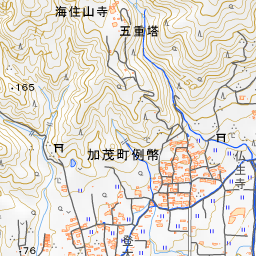
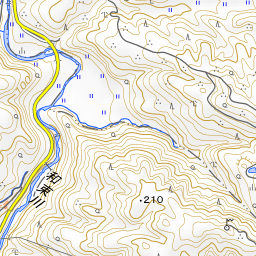
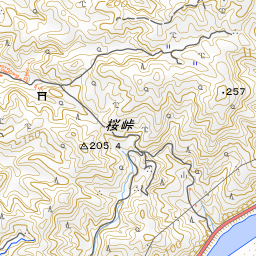
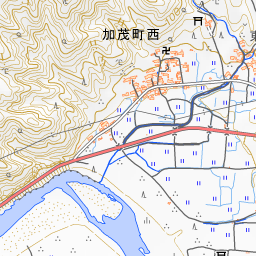
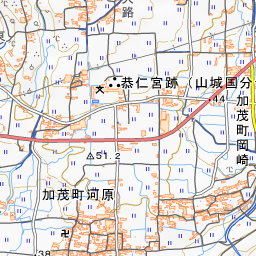
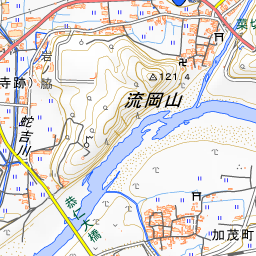
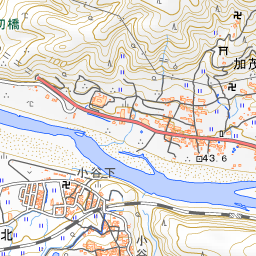
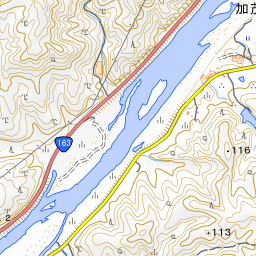
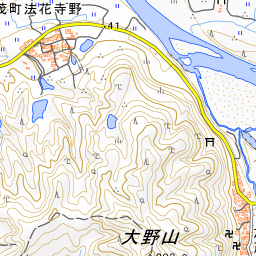


Spot location © OpenStreetMap contributors (ODbL)
Open in Google MapsGuides that include this spot (1)
Use asobot while you walk
- See where you are on the map and find spots nearby
- Listen to the guide's audio in course order, one after another (with subtitles)
- Walk to the next spot while following the map
Open on your phone
Scan to open this spot in asobot on your phone.