 ✨ AI Generated
Hibara-jinja Shrine
Japanese: 檜原神社
Sakurai, Nara
This information was written by AI and may contain mistakes. Please check official sources for opening hours, fees, and other details before you go.
Found a mistake? Let us know with “✏️ Something's wrong” on this spot's screen in asobot →
🎧 Audio guide(1:09)
In short
Hibara-jinja Shrine is an auxiliary shrine of Omiwa-jinja Shrine located along the Yamanobe-no-Michi Path. It is considered to be the site of Yamato Kasanui-no-mura, where Amaterasu Omikami was first moved and enshrined outside the imperial palace during the reign of Emperor Sujin. As the birthplace of Ise Jingu, it is called "Motoise."
- Mitsu-torii (triple torii gate): With neither a main hall nor a worship hall, it preserves an ancient ritual style of worshipping the sacred seat through a mitsu-torii.
- Old Timbers from Ise Jingu: The current mitsu-torii was rebuilt in 2015 using old timber granted from the Shikinen Sengu (periodic rebuilding) of Ise Jingu.
- Sunset over Mt. Nijo: The sunset over Mt. Nijo seen through the torii gate is particularly popular.
History and Highlights
Hibara-jinja Shrine is an auxiliary shrine of Omiwa-jinja Shrine. The deity enshrined here is Amaterasu Omikami. During the reign of Emperor Sujin, the emperor entrusted Amaterasu Omikami, who had been enshrined within the imperial palace, to Toyosukiirihime-no-Mikoto, and established a Shiki-himorogi (sacred altar) to enshrine the deity in this location, which is said to be Yamato Kasanui-no-mura.
Because it was the very first place to which Amaterasu Omikami was relocated from the imperial palace, it is called "Motoise" as the starting point of Ise Jingu. Even after the deity was moved elsewhere, the site continued to be revered and worshipped as Hibara-jinja Shrine.
The shrine precincts have neither a main hall nor a worship hall. Just like the head shrine, Omiwa-jinja Shrine, it retains an ancient form of religious worship where one venerates the sacred seat through a mitsu-torii.
It is said that at one time the shrine had fallen into a desolate state with only two stone lanterns remaining. In October 1965, the mitsu-torii was restored using old timber granted from the former East Gate of the outer fence of Naiku (Inner Shrine) of Ise Jingu. Furthermore, to commemorate the 50th anniversary of the shrine grounds' restoration, the mitsu-torii was rebuilt in November 2015 using timber granted from the 62nd Shikinen Sengu of Ise Jingu.
Highlights for Visitors
- Mitsu-torii: Visitors worship the sacred seat beyond the triple torii gate made by combining three torii. This gate was rebuilt using timber from the Shikinen Sengu of Ise Jingu.
- Sunset over Mt. Nijo: The sunset over Mt. Nijo seen through the torii gate is especially popular and attracts many visitors.
- View of the Yamato Plain: A wonderful view overlooking the Yamato Plain opens up near the shrine.
Tips for Walking
The shrine grounds are always kept neatly swept and clean, making it a recommended stop along the Yamanobe-no-Michi Path. It is about a 30-minute walk from JR Miwa Station.
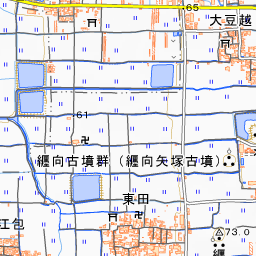
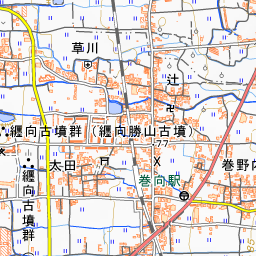
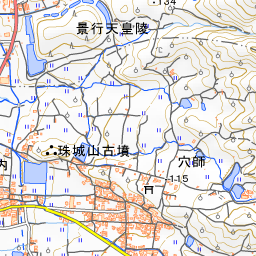
The main shrine, Omiwa-jinja Shrine, is about 1.1 kilometers to the south. Hashihaka Kofun Burial Mound is about 1.3 kilometers to the west, and the Makimuku Ruins are about 1.6 kilometers to the northwest.
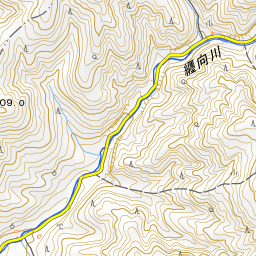
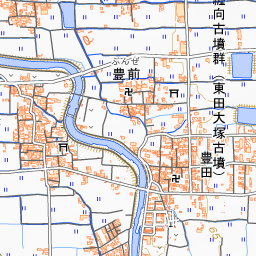
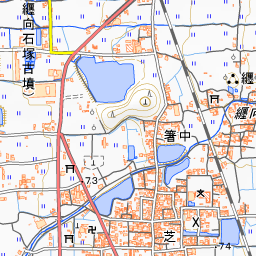

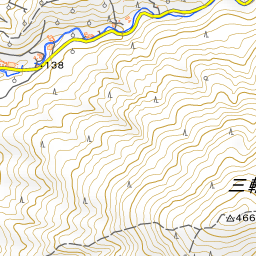
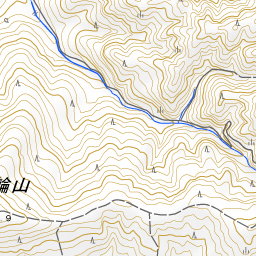
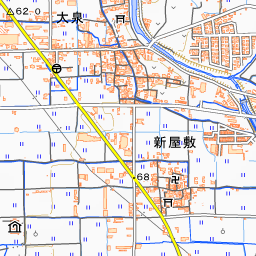
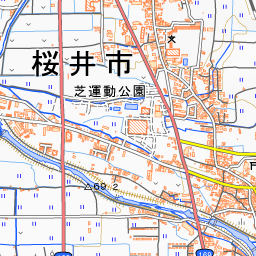
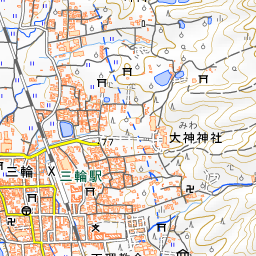
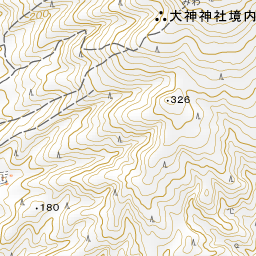

Spot location © OpenStreetMap contributors (ODbL)
Open in Google MapsGuides that include this spot (1)
Use asobot while you walk
- See where you are on the map and find spots nearby
- Listen to the guide's audio in course order, one after another (with subtitles)
- Walk to the next spot while following the map
Open on your phone
Scan to open this spot in asobot on your phone.