 ✨ AI Generated
Tennei-ji Temple Three-storied Pagoda
Japanese: 天寧寺三重塔
Onomichi, Hiroshima
This information was written by AI and may contain mistakes. Please check official sources for opening hours, fees, and other details before you go.
Found a mistake? Let us know with “✏️ Something's wrong” on this spot's screen in asobot →
🎧 Audio guide(1:02)
In short
This is the pagoda of Tennei-ji Temple, standing on the southern slope of Mt. Senkoji, and it is also known by the name "Kaiunto." It was built in 1388 as a five-storied pagoda, and in 1692 its top two tiers were removed, giving it its current three-storied form. Designated as an Important Cultural Property of Japan in 1949, it forms one of the representative scenes of the sloped townscape of Onomichi.
- The Onomichi Channel Beyond the Pagoda: Looking at the pagoda from higher up the slope reveals the Onomichi Channel and Mukaishima Island on the opposite shore stretching out beyond it, a view known as a quintessential vista of Onomichi
- Pagoda Architecture: Featuring a large-scale construction, the structure is based on traditional Japanese wayo style while heavily incorporating the Zen style
- Tennei-ji Temple Grounds: In the Rakan-do hall, statues of the Five Hundred Arhats are lined up, 526 statues in total, and the temple is also known as a "flower temple," where weeping cherry blossoms and tree peonies bloom in spring
History and Highlights
The Tennei-ji Temple Three-storied Pagoda stands on the southern slope of Mt. Senkoji as part of Tennei-ji Temple, and is also known by the name "Kaiunto." Designated as an Important Cultural Property of Japan in 1949, it forms one of the representative scenes of the sloped townscape of Onomichi.
Tennei-ji Temple belongs to the Soto Zen sect and is said to have been founded in 1367 by Ashikaga Yoshiakira, the second shogun of the Muromachi shogunate. The pagoda was built around twenty years later, in 1388. It is said that the other temple buildings were later lost to a fire caused by lightning, leaving only this pagoda behind. Originally built as a five-storied pagoda, its top two tiers were removed in 1692 during the Genroku era of the Edo period, giving it its current three-storied form. This Muromachi-period pagoda has been preserved for over 600 years while changing its shape.
Viewing and Experience Highlights
- The Onomichi Channel Beyond the Pagoda: Looking down at the pagoda from higher up the slope reveals Onomichi Channel and Mukaishima Island on the opposite shore stretching out beyond it. The view of Onomichi Channel framed by the three-storied pagoda is known as a quintessential vista of Onomichi and has been captured in many photographs.
- Pagoda Architecture: Featuring a large-scale construction, the structure is based on traditional Japanese wayo style while heavily incorporating the Zen style (also known as karayo, or Chinese style). Reflecting on its history of being altered from a five-storied pagoda to a three-storied one, observe the layered eaves and roof curvatures from up close as well as from the bottom of the slope.
- Tennei-ji Temple Grounds: In the Rakan-do hall beside the main hall, statues of the Five Hundred Arhats are lined up, having been donated over a period of approximately 60 years from the Bunka era of the Edo period to the early Meiji period. They number 526 statues in total. Weeping cherry blossoms and tree peonies bloom in spring, earning the temple the reputation of a "flower temple."
Walking Tips
The pagoda is situated mid-slope on Mt. Senkoji and is within walking distance from the foot station of the Mt. Senkoji Ropeway. Because Neko-no-Hosomichi Alley continues from right nearby toward Ushitora-jinja Shrine, it is recommended to stop by while walking down from Senko-ji Temple. Senko-ji Temple and Neko-no-Hosomichi Alley are introduced in their respective spot guides. Since there are many stone steps and slopes around the pagoda, please wear comfortable walking shoes. At dusk, you can enjoy the silhouette of the pagoda set against the evening sky alongside the view of Onomichi Channel.
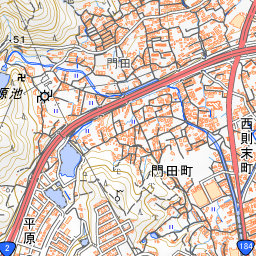
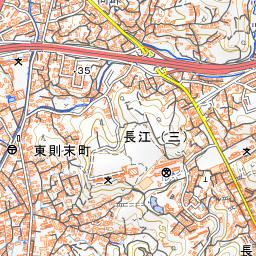
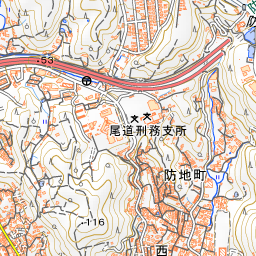
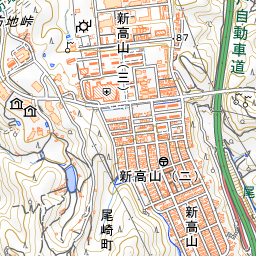
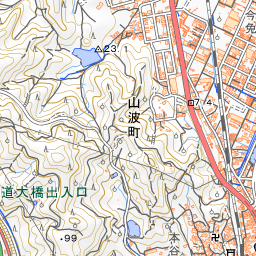
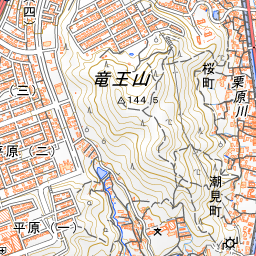
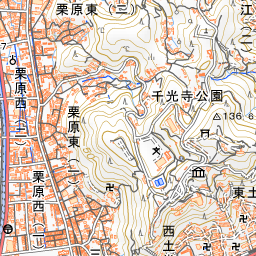
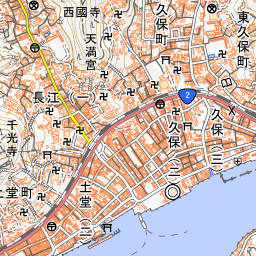
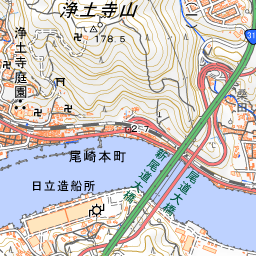
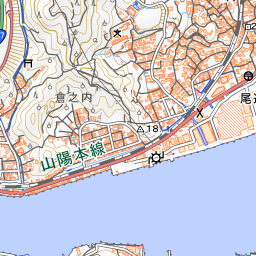
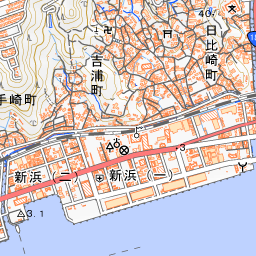
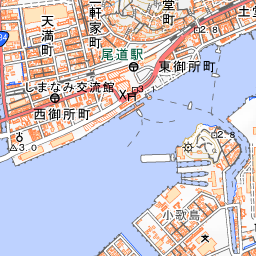
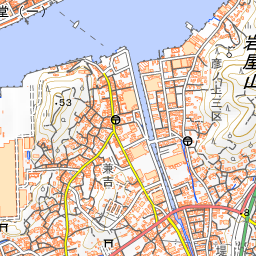
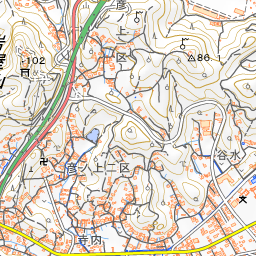
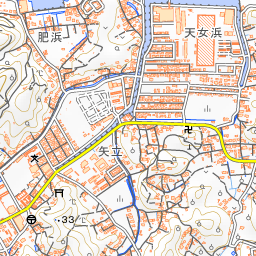
Spot location © OpenStreetMap contributors (ODbL)
Open in Google MapsGuides that include this spot (1)
Use asobot while you walk
- See where you are on the map and find spots nearby
- Listen to the guide's audio in course order, one after another (with subtitles)
- Walk to the next spot while following the map
Open on your phone
Scan to open this spot in asobot on your phone.