 ✨ AI Generated
Shinsengumi Hometown History Museum
Japanese: 新選組のふるさと歴史館
Hino, Tokyo
This information was written by AI and may contain mistakes. Please check official sources for opening hours, fees, and other details before you go.
Found a mistake? Let us know with “✏️ Something's wrong” on this spot's screen in asobot →
🎧 Audio guide(1:07)
In short
Opened in 2005 (Heisei 17), the Shinsengumi Hometown History Museum is a municipal exhibition facility in Hino City dedicated to the themes of the Shinsengumi, the Bakumatsu and Meiji Restoration period, and Hino-juku on the Koshu Dochu highway. In Hino, the birthplace of Hijikata Toshizo and Inoue Genzaburo, visitors can trace the Shinsengumi from its inception to its end primarily through historical literature and documents. In addition to the permanent exhibition, special and temporary exhibitions are held.
- Diary of Sato Hikogoro: The diary of the local village headman (nanushi) of Hino, who was both brother-in-law and cousin to Hijikata Toshizo
- Memoir of Soma Tonomo: "Zoyu Danwa," written in the early Meiji period by Soma Tonomo (Kazue), the last commander of the Shinsengumi
- Quarters Photo Panels: In the entrance hall, visitors can take commemorative photos in front of panels depicting the Shinsengumi quarters or the Hakodate Magistrate's Office
History and Highlights
The Shinsengumi Hometown History Museum is a municipal exhibition facility in Hino City that opened in 2005. Its themes are the Shinsengumi, the Bakumatsu and Meiji Restoration period, and Hino-juku on the Koshu Dochu highway. Hino is the birthplace of Shinsengumi members Hijikata Toshizo and Inoue Genzaburo, and is also said to be the place where Hijikata Toshizo and Kondo Isami first met.
During the Edo period, Hino flourished as Hino-juku, a post town on the Koshu Dochu—one of the Five Routes (Gokaido). Directly ruled by the shogunate, it was a prosperous farming village known as the granary of Tama, where the practice of swordsmanship also thrived. In the late Edo period, figures such as Kondo Isami, Okita Soji, and Yamanami Keisuke also visited Hino and devoted themselves to practicing swordsmanship. The youths who spent their formative years here eventually traveled up to Kyoto, where they made their name renowned across the land as the Shinsengumi.
The permanent exhibition is titled "The Shinsengumi, Shinchogumi, and Hino." The Shinsengumi has often been viewed with a one-dimensional image as a group of master swordsmen, exemplified by the Ikedaya Incident. Through special exhibitions, this museum has covered their history from birth to demise chronologically, attempting to position them within the broader historical context. The permanent exhibition presents a chronological narrative based on these findings, displaying primarily historical literature and records. Temporary and special exhibitions are also held periodically.
Viewing and Experience Highlights
- Diary of Sato Hikogoro: One of the exhibited items is the diary of Sato Hikogoro. Sato was the local village headman (nanushi) of Hino during the late Bakumatsu period and was both a brother-in-law and a cousin of Hijikata Toshizo. He supported the members both materially and spiritually after they went up to Kyoto, and during the Battle of Kashiwao (Katsunuma) in the Boshin War, he personally led a force and fought alongside the Shinsengumi.
- Letters and Memoirs of Shinsengumi Members: Letters related to the Shinsengumi, including correspondence by Kondo Isami, are on display. Also featured are the memoir "Zoyu Danwa," written in the early Meiji period by the Shinsengumi's last commander, Soma Tonomo (Kazue), as well as a floor plan of the Maekawa Residence, which served as their quarters. Visitors can also see weapons used in the Boshin War and nishiki-e woodblock prints depicting the war.
- Commemorative Photos with Quarters Panels: In the entrance hall, visitors can take commemorative photos in front of panels depicting the Shinsengumi quarters and the Hakodate Magistrate's Office. Photography rules in the exhibition rooms vary depending on the room and the specific display.
Travel Tips
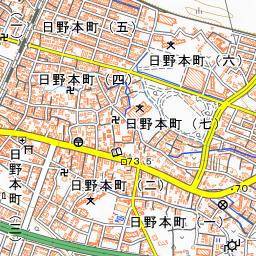
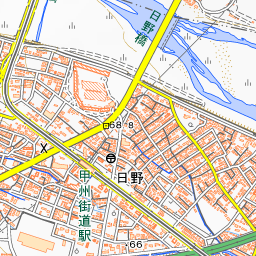
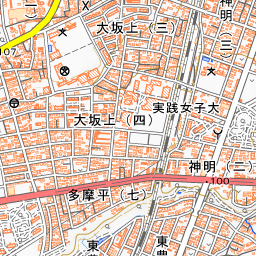
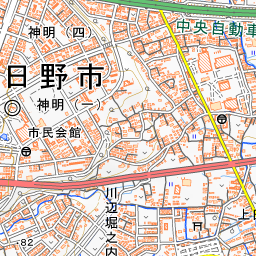
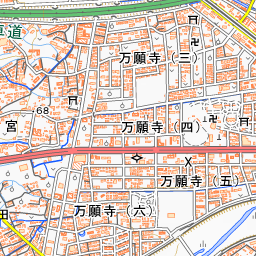
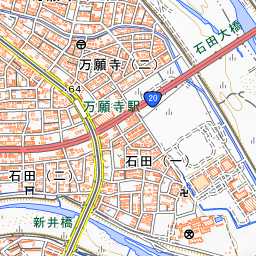
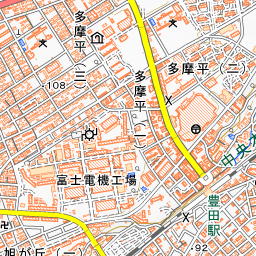
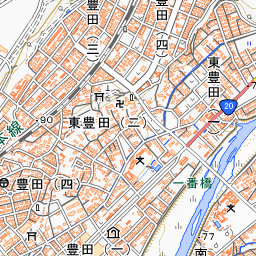
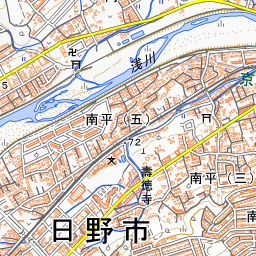
The museum is a 15-minute walk from Hino Station on the JR Chuo Line. There is a long uphill climb along the way. If taking a bus, get off at "Hino Nanasho Iriguchi" and walk for 5 minutes. Although there is a bus stop named "Shinsengumi no Furusato Rekishikan-mae," no buses arrive or depart from it during museum opening hours. Volunteer guides are stationed inside the museum on Saturdays, Sundays, and public holidays, so you can request an explanation of the exhibits.
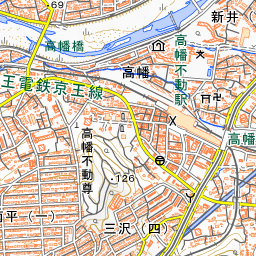
Hino-juku Honjin serves as an annex of this museum, located approximately 610 meters to the north-northeast. Joint admission tickets are also available. The Hijikata Toshizo Museum is approximately 2.1 kilometers to the east, and Takahata Fudoson Temple is approximately 1.8 kilometers to the southeast.


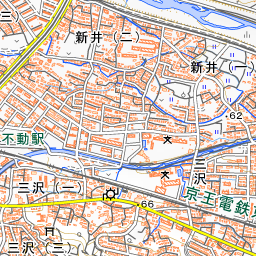
Spot location © OpenStreetMap contributors (ODbL)
Open in Google MapsGuides that include this spot (1)
Use asobot while you walk
- See where you are on the map and find spots nearby
- Listen to the guide's audio in course order, one after another (with subtitles)
- Walk to the next spot while following the map
Open on your phone
Scan to open this spot in asobot on your phone.