 ✨ AI Generated
Aobasan Matsunoo-dera Temple
Japanese: 青葉山 松尾寺
Maizuru, Kyoto
This information was written by AI and may contain mistakes. Please check official sources for opening hours, fees, and other details before you go.
Found a mistake? Let us know with “✏️ Something's wrong” on this spot's screen in asobot →
🎧 Audio guide(1:15)
In short
A temple of the Shingon Sect Daigo school located halfway up Mt. Aoba, which separates the Tango and Wakasa regions. It is the 29th stop on the Saigoku Kannon Pilgrimage, and its principal image, Bato Kanzeon Bosatsu (Horse-headed Kannon), is the only Bato Kannon among the thirty-three pilgrimage sites. According to temple tradition, it was in 708 that Priest Iko, a monk from Tang China, built a thatched hermitage here.
- Devotion to Bato Kannon: The principal image, a hidden Buddhist image (hibutsu), is widely revered as a guardian deity of agriculture, as well as for cattle, horses, and livestock, road traffic involving horses and carts, and even horse racing. Three buildings, the main hall, the sutra library (kyozo), and the Niomon gate, are cultural properties of Kyoto Prefecture
- National Treasure Buddhist Painting and Temple Treasures: The temple preserves the only National Treasure Buddhist painting in this region, the "Color on Silk Portrait of Fugen Enmei" (Kenpon Chakushoku Fugen Enmei-zo). The National Treasure and Important Cultural Properties are placed on public exhibition in the treasure hall in two seasons, spring and autumn
- Hotokemai on May 8: A ritual gathering in which dancers wearing the Buddhist masks of Dainichi, Shaka, and Amida Nyorai repeatedly perform an elegant and slow dance. It is designated as a National Important Intangible Folk Cultural Property
History and Highlights
Matsunoo-dera Temple is a temple of the Shingon Sect Daigo school located halfway up Mt. Aoba, which separates the Tango and Wakasa regions. It is the 29th stop on the Saigoku Kannon Pilgrimage, and its principal image, Bato Kanzeon Bosatsu (Horse-headed Kannon), is the only Bato Kannon among the thirty-three pilgrimage sites. When viewed from the Fukui Prefecture side, the two peaks of Mt. Aoba, which stand east and west, overlap into one, and its beautiful appearance has earned it the name "Wakasa Fuji."
According to temple tradition, during the Keiun era, Priest Iko, a monk from Tang China, looked toward the two peaks of this mountain and was reminded of Mt. Baji, a sacred mountain in China that looked similar. It is said that upon climbing the mountain, he was spiritually inspired by Bato Kannon under a large pine tree and built a thatched hermitage in 708, the first year of the Wado era. In 1119 (Gen'ei 2), Emperor Toba made an imperial visit, and the temple is said to have prospered to the extent of having sixty-five monks' quarters. Afterward, it suffered fires on multiple occasions, including devastation from the troops of the Oda clan, but was restored by Hosokawa Yusai and the Kyogoku family. The current main hall was repaired and reconstructed by Makino Hidenari in 1730 (Kyoho 15).
Points for Viewing and Experiencing
- Devotion to Bato Kannon: The principal image, Bato Kannon, is a hidden Buddhist image (hibutsu). It is widely revered as a guardian deity of agriculture, as well as for cattle, horses, livestock, road traffic involving horses and carts, and horse racing. Three buildings—the main hall, the sutra library (kyozo), and the Niomon gate—are designated as cultural properties of Kyoto Prefecture as Edo-period structures. The Niomon gate was built in 1767 (Meiwa 4).
- National Treasure Buddhist Painting and Temple Treasures: The temple preserves the only National Treasure Buddhist painting in this region, the "Color on Silk Portrait of Fugen Enmei" (Kenpon Chakushoku Fugen Enmei-zo), which is said to have been a personal devotion image of Bifukumon-in. In addition, it houses many cultural properties, including an Important Cultural Property wooden seated statue of Amida Nyorai sculpted by Kaikei. The National Treasure and Important Cultural Properties are placed on public exhibition in the treasure hall in two seasons, spring and autumn.
- Hotokemai on May 8: Hotokemai is a ritual gathering held on May 8 (formerly April 8 of the lunar calendar, which corresponds to the Buddha's birthday). The Buddhist masks of Dainichi, Shaka, and Amida Nyorai are each worn by two dancers, who repeatedly perform an elegant and slow dance. It is the only event in Kyoto Prefecture that conveys the tradition of Buddhist services accompanied by bugaku dance, and it is designated as a National Important Intangible Folk Cultural Property.
Walking Tips
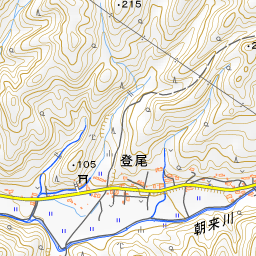
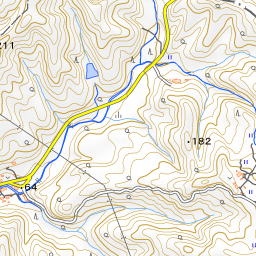
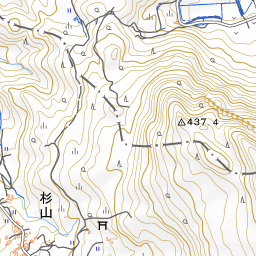
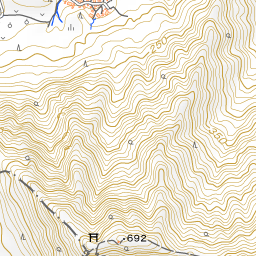
On the grounds stands a ginkgo tree said to have been planted by Emperor Toba, which is designated as a Natural Monument of Maizuru City. The Okinreika (Patrinia takeuchiana) of Mt. Aoba is also a Natural Monument of the city. By train, it is about a 50-minute walk or about 10 minutes by taxi from Matsunoo-dera Station on the JR Obama Line. By car, it takes about 15 minutes from the Maizuru-Higashi Interchange on the Maizuru-Wakasa Expressway. About 3 kilometers to the southwest is Kongo-in Temple, which features a three-story pagoda. Consider visiting them together.
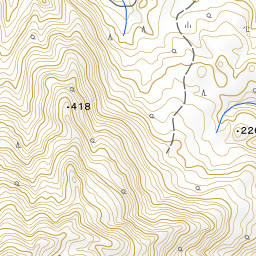


Spot location © OpenStreetMap contributors (ODbL)
Open in Google MapsUse asobot while you walk
- See where you are on the map and find spots nearby
- Listen to the guide's audio in course order, one after another (with subtitles)
- Walk to the next spot while following the map
Open on your phone
Scan to open this spot in asobot on your phone.