 ✨ AI Generated
Koto City Basho Museum
Japanese: 江東区芭蕉記念館
Koto City, Tokyo
This information was written by AI and may contain mistakes. Please check official sources for opening hours, fees, and other details before you go.
Found a mistake? Let us know with “✏️ Something's wrong” on this spot's screen in asobot →
🎧 Audio guide(1:05)
In short
Koto City Basho Museum is a memorial museum located along the Sumida River, on land associated with the haiku master Matsuo Basho, where he built his hermitage. Opened in 1981, it introduces the relationship between Basho and Fukagawa, as well as Fukagawa's role as the departure point for The Narrow Road to the Deep North (Oku no Hosomichi), in an easy-to-understand way.
- Stone Frog: A stone frog said to have been cherished by Basho. It was excavated nearby in Tokiwa 1-chome after a storm surge caused by a typhoon in 1917.
- Garden of Plants from Basho's Haiku: The garden of the main building is planted with vegetation mentioned in Basho's haiku, featuring a miniature hill with a small shrine modeled after the Basho-an hermitage and a statue of Basho.
- Observation Garden Overlooking the River: From the Basho-an Historic Site Observation Garden on the rooftop of the annex, you can overlook the Sumida River and Onagi River.
History and Highlights
Matsuo Basho (1644–1694) was a haikai poet active during the Edo period. In 1680, Basho moved to a hermitage in Fukagawa. The land for the hermitage belonged to his disciple, Sugiyama Sanpu. Basho set out on journeys across Japan from this place until his death in October 1694 at the age of 51. The time he spent at the Basho-an hermitage in Fukagawa spanned 14 years. His famous poem, "An old pond / a frog jumps in / the sound of water," was also composed here. The journey of The Narrow Road to the Deep North in 1689 also began from Fukagawa.
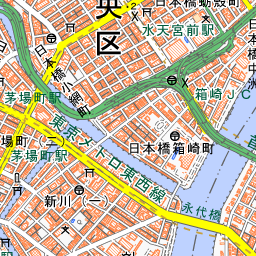
Koto City Basho Museum opened in April 1981 along the Sumida River, overlooking the Shin-Ohashi and Kiyosu Bridges, on the site associated with where Basho established his hermitage. Visitors can view donated materials related to haiku literature, centering on Basho. In May 2002, it was the only site in Tokyo designated by the Japan Travel Pen Club as part of the "21st Century Basho's Trail." The landmark of the museum is a large banana leaf (basho). The banana plant is the origin of the names of both the Basho-an hermitage and his haiku pen name, Basho.
Viewing and Experience Points
- Exhibits on Basho and Fukagawa: The permanent exhibition on the 3rd floor uses panels and other displays to explain Basho's life, his haikai activities in Fukagawa, and Fukagawa as the departure point for The Narrow Road to the Deep North. On the 2nd floor, there is a "stone frog" said to have been cherished by Basho. It was excavated from Tokiwa 1-chome after a typhoon storm surge in September 1917.
- Garden of Plants from Basho's Haiku: In the main building's garden, plants mentioned in Basho's haiku are grown, allowing visitors to enjoy seasonal flowers and greenery. On the miniature hill, there is a small shrine modeled after the Basho-an hermitage and a statue of Basho. There are three haiku monument stones in the grounds.
- Basho-an Historic Site Observation Garden: A garden on the rooftop of the annex, about a 3-minute walk from the museum. It overlooks the Sumida River and Onagi River, featuring a statue of Master Basho and a relief depiction of the Basho-an hermitage. After closing time, the statue of Basho rotates and is illuminated.
Walking Tips
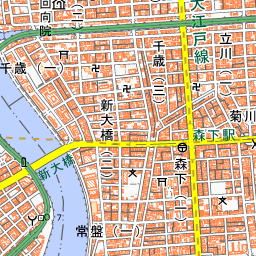
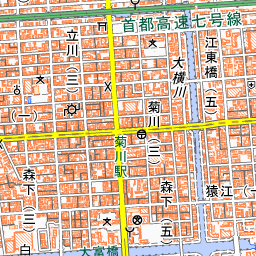
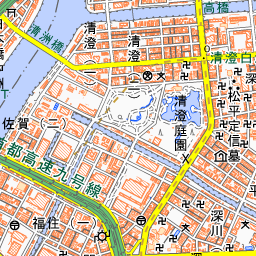
It is a 7-minute walk from Exit A1 of Morishita Station on the Toei Shinjuku Line and Toei Oedo Line. The site where the stone frog was excavated was designated by Tokyo Prefecture in 1921 as the "Site of Old Pond of Master Basho." Today, Basho Inari Shrine is enshrined there, along with a monument marking the site of the Basho-an hermitage and a Basho haiku monument. On the sidewalk near the museum stands the "Former Site of Shin-Ohashi Bridge" monument. Around the time the Shin-Ohashi Bridge was built in 1693, Basho saw the bridge under construction and composed the poem: "First snow / upon the bridge / still being built." About 760 meters to the southeast is Kiyosumi Gardens, and about 810 meters away is Koto City Fukagawa Edo Museum.
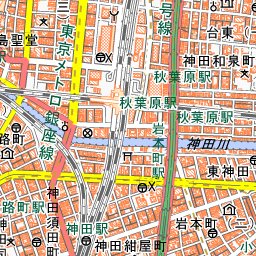


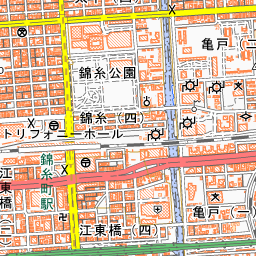
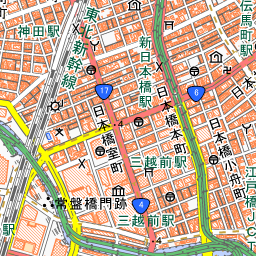
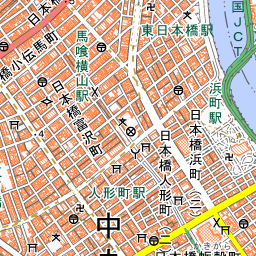
Spot location © OpenStreetMap contributors (ODbL)
Open in Google MapsUse asobot while you walk
- See where you are on the map and find spots nearby
- Listen to the guide's audio in course order, one after another (with subtitles)
- Walk to the next spot while following the map
Open on your phone
Scan to open this spot in asobot on your phone.