 ✨ AI Generated
Suga-jinja Shrine
Japanese: 須賀神社
Shinjuku City, Tokyo
This information was written by AI and may contain mistakes. Please check official sources for opening hours, fees, and other details before you go.
Found a mistake? Let us know with “✏️ Something's wrong” on this spot's screen in asobot →
🎧 Audio guide(1:07)
In short
Suga-jinja Shrine is the guardian shrine of the eighteen neighborhoods of Yotsuya, situated in a residential area of Yotsuya. Its history began in the early Edo period when an Inari shrine was relocated here, and later Gozu Tenno was enshrined together. It is also well known because the stairs in front of the shrine were depicted in the final scene of the 2016 animated film "Your Name."
- Stairs depicted in the film: The shrine's stairway (Otokozaka Slope) was depicted as the setting for the reunion scene of the two main characters.
- Thirty-six Immortals of Poetry Paintings (Sanjurokkasen-e): A shrine treasure created in 1836, designated as a Tangible Cultural Property by Shinjuku Ward. Replicas can be viewed on the shrine grounds.
- Two Main Deities: Susanoo no Mikoto and Ukanomitama no Mikoto (the deity of Inari) are worshipped as the main enshrined deities.
History and Highlights
Suga-jinja Shrine is the guardian shrine of the eighteen neighborhoods of Yotsuya. Its history began in 1634. An Inari shrine originally located in Shimizudani of Hitotsugi Village in Akasaka was relocated to Yotsuya due to the construction of the outer moat of Edo Castle. In 1637, Gozu Tenno, the guardian deity of Nihonbashi Odemmacho who had been enshrined in a subsidiary shrine of Kanda Myojin Shrine, was enshrined together here. For this reason, it was called "Inari Tenno" or "Yotsuya Gozu Tenno-sha" during the Edo period.
In 1868, following the separation of Shinto and Buddhism in the first year of the Meiji period, the name was changed to its current name, Suga-jinja Shrine. "Suga" comes from the phrase "kokoro sugasugashi" (my heart feels refreshed), which Susanoo no Mikoto is said to have uttered upon defeating the Yamata no Orochi. The current main deities are Susanoo no Mikoto and Ukanomitama no Mikoto (the Great Deity of Inari). The inner sanctum (go-naijin) of the main hall was built in 1819 and underwent major restorations completed in 1989.
The shrine's treasure, the "Sanjurokkasen-e" (Thirty-six Immortals of Poetry paintings), was created in 1836 toward the end of the Edo period. Each portrait of a poet is accompanied by one of their representative poems written alongside. The paintings were executed by Ooka Umpo, who was known as "Yotsuya Nanpin," and the calligraphy was by Chigusa Arikoto. It was designated as a Tangible Cultural Property by Shinjuku Ward in 1986.
Viewing and Experience Points
- Stairs from "Your Name.": The stairs in front of the shrine were depicted in the final scene of the film "Your Name.", released in 2016. This is the scene where the protagonists, Miyamizu Mitsuha and Tachibana Taki, meet again. These stairs are called Otokozaka Slope, and you can also enjoy the view from the top of the slope.
- Replicas of the Thirty-six Immortals of Poetry Paintings: On the shrine grounds, replicas of the shrine treasure, the Thirty-six Immortals of Poetry paintings, are exhibited as the "Shinjuku Mini Museum." Take time to observe the depictions of the poets and the accompanying verses.
- Daikoku-sha Shrine and Seasonal Amulets: A large Daikoku-sama is enshrined in Daikoku-sha, a subordinate shrine on the grounds. The shrine confers "Ichiyo Raifuku amulets" between the winter solstice and Setsubun, and lucky rake charms (kumade mamori) on the Days of the Rooster (Tori no Ichi) in November.
Tips for Exploring
It is about a 7-minute walk from Tokyo Metro's Yotsuya-sanchome Station. From JR Yotsuya Station or Shinanomachi Station, it takes about 10 minutes. The shrine is located in a residential area; by climbing up Otokozaka Slope from the bottom—just like in the film—and paying your respects at the worship hall at the top, you can retrace the movie's scene. The annual grand festival in June was formerly called the "Tenno Matsuri" and was counted among the Five Great Festivals of Edo. On the Days of the Rooster in November, the "Yotsuya Tori no Ichi," which began in 1864, is held. The Tokyo Toy Museum is about 630 meters to the northwest.
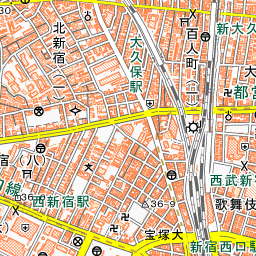


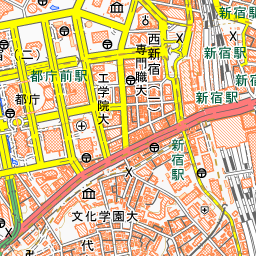


Spot location © OpenStreetMap contributors (ODbL)
Open in Google MapsGuides that include this spot (1)
Use asobot while you walk
- See where you are on the map and find spots nearby
- Listen to the guide's audio in course order, one after another (with subtitles)
- Walk to the next spot while following the map
Open on your phone
Scan to open this spot in asobot on your phone.