 ✨ AI Generated
Toyo Bunko Museum
Japanese: 東洋文庫ミュージアム
Bunkyo City, Tokyo
This information was written by AI and may contain mistakes. Please check official sources for opening hours, fees, and other details before you go.
Found a mistake? Let us know with “✏️ Something's wrong” on this spot's screen in asobot →
🎧 Audio guide(1:00)
In short
The Toyo Bunko Museum is the exhibition facility of the Toyo Bunko, a specialized library for Oriental studies covering the history and culture of all of Asia. The Toyo Bunko was established in 1924 by Iwasaki Hisaya, the third head of Mitsubishi. The museum opened in 2011 and exhibits rare books centered on National Treasures and Important Cultural Properties.
- Morrison Archive: A book room that revives the collection of Western-language works and other materials regarding East Asia, purchased in bulk by Iwasaki Hisaya in 1917.
- Chie no Michi (Path of Wisdom): A small path lined with panels inscribed with famous quotes from across Asia in their original languages.
- Siebold Garten: A courtyard planted with trees and flowers featured in Philipp Franz von Siebold's Flora Japonica.
History and Highlights
The Toyo Bunko Museum is a museum operated by the Toyo Bunko Public Interest Incorporated Foundation, located in Hon-Komagome. The Toyo Bunko is a specialized research library for Oriental studies related to the history and culture of the broader Asian region. It is Japan's oldest and largest Oriental studies research library, holding approximately 1 million books.
Its beginnings date back to 1917. Iwasaki Hisaya, the third head of Mitsubishi, purchased the entire book collection of G. E. Morrison, who served as a political advisor to the Office of the President of the Republic of China. In 1924, he established the Toyo Bunko Foundation, setting up a research department in addition to the library department. Then, in October 2011, the museum opened to exhibit rare books, with a focus on National Treasures and Important Cultural Properties.
In the museum's special exhibition room, themed exhibitions are held on topics such as Asian history and culture, as well as encounters and discoveries between East and West. At the entrance, the Orient Hall introduces the history of the Toyo Bunko from its founding to the present day, along with the characteristics of its collection, using books and video footage. In the Masterpiece Room, visitors can view masterpieces including National Treasures and Important Cultural Properties.
Viewing and Experience Highlights
- Morrison Archive: The most famous collection in the Toyo Bunko is the Morrison Collection. In 1917, Iwasaki Hisaya purchased approximately 24,000 items, including Western-language books, paintings, and pamphlets on East Asia, all together from Dr. Morrison, an Australian living in Beijing. The price was 35,000 pounds, and the items were transported from Beijing to Japan. The collection includes about 45 different printed editions of The Travels of Marco Polo.
- Chie no Michi (Path of Wisdom): A covered pathway connecting the museum and the Orient Cafe restaurant. Both sides are lined with panels engraved with well-known aphorisms from various parts of Asia in their original scripts. Even if you encounter unfamiliar writing systems, Japanese translations provided by respective specialists allow you to appreciate them comfortably.
- Siebold Garten: A courtyard connecting the main building and the restaurant. It is planted with real trees and flowers that appear in Siebold's Flora Japonica, which is held by the Toyo Bunko. Outdoor sculptures created by students of Tokyo University of the Arts are also on display.
Strolling Tips
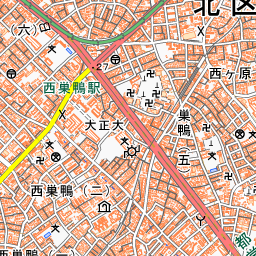
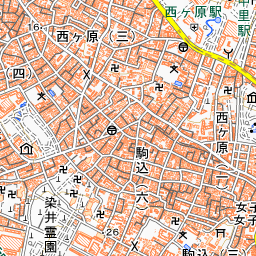
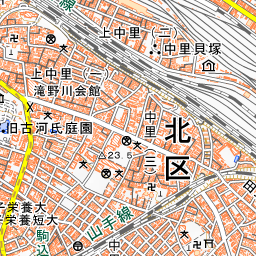
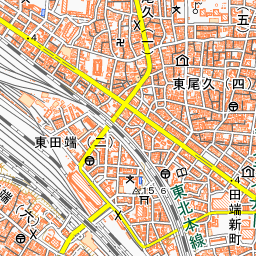
It is about an 8-minute walk from Komagome Station on the JR Yamanote Line and Tokyo Metro Namboku Line, and about a 7-minute walk from Sengoku Station on the Toei Mita Line. After using your mind thoroughly to take in the exhibits, taking a rest in the Siebold Garten courtyard via the Chie no Michi is recommended. Rikugien Gardens is located about 320 meters to the northwest.
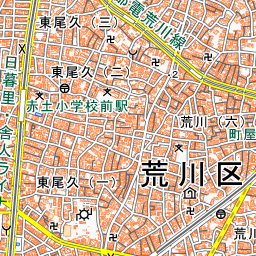
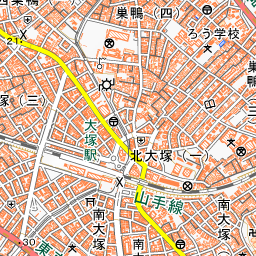

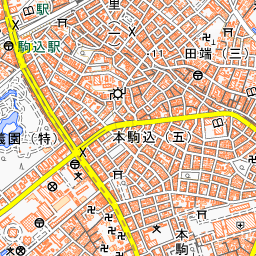


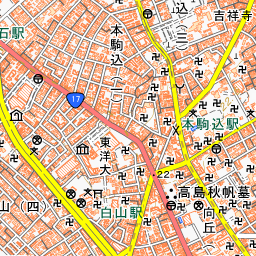

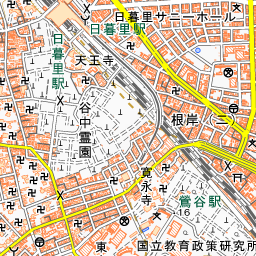
Spot location © OpenStreetMap contributors (ODbL)
Open in Google MapsUse asobot while you walk
- See where you are on the map and find spots nearby
- Listen to the guide's audio in course order, one after another (with subtitles)
- Walk to the next spot while following the map
Open on your phone
Scan to open this spot in asobot on your phone.