
Tsukigase Plum Grove
Japanese: 月ヶ瀬梅林
Nara City, Nara
This information was written by AI and may contain mistakes. Please check official sources for opening hours, fees, and other details before you go.
Found a mistake? Let us know with “✏️ Something's wrong” on this spot's screen in asobot →
🎧 Audio guide(1:06)
In short
Tsukigase Plum Grove is one of Japan's leading plum blossom spots, where more than 10,000 plum trees spread along the gorge of the Nabari River at the northeastern tip of Nara Prefecture. Its history dates back to the Kamakura period. During the Edo period, many literary figures such as Saito Setsudo and Rai Sanyo visited, and in 1922, it was designated as a national Place of Scenic Beauty under the name "Tsukigase Plum Grove."
- Hitome Hakkei: About a 10-minute walk from the entrance of the plum grove, you can take in panoramic views of the Nabari River and the gorge while surrounded by plum blossoms.
- Plum Grove Park: Approximately 270 plum trees of about 40 varieties gathered from across the country are planted here, allowing visitors to enjoy comparing their differences.
- History of Ubai: In the past, ubai—smoked and dried plum fruits—was produced here and used as a dye for traditional Kyo-beni rouge.
History and Highlights
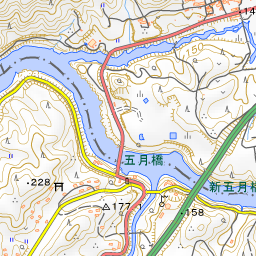
Tsukigase Plum Grove is located in Tsukigase at the northeastern tip of Nara Prefecture. Tsukigase was formerly a village and was incorporated into Nara City in 2005. The Nabari River carves a V-shaped gorge as it flows westward, and in this vicinity, it is also called the Satsuki River. Since ancient times, many plum trees grew along both banks of the gorge.
The history of the plum grove dates back to the Kamakura period; it is said to have started with plum trees planted on the grounds of Shinpuku-ji Temple in the mid-Kamakura period. Ubai, made by smoking and drying plum fruits, was used as medicine and dye. Plum cultivation in Tsukigase developed through the production of ubai used as dye for Kyo-beni rouge.
From the middle of the Edo period, the plum grove became widely known as a scenic destination, frequently visited by scholars and literary figures. Saito Setsudo, a Confucian scholar of the Todo Domain, visited with his disciples in 1830 and wrote a work titled Tsukigase Kisho. The following year, in 1831, Rai Sanyo, author of Nihon Gaishi, also visited together with his disciple Sekito Toin.
In 1922, the site was designated as a national Place of Scenic Beauty under the name "Tsukigase Plum Grove." Considered one of the first Places of Scenic Beauty designated in Japan, it celebrated its 100th anniversary of designation in 2022. Today, a plum grove of more than 10,000 trees continues to spread along the gorge of the Nabari River.
Viewing and Experience Highlights
- Hitome Hakkei: A scenic viewpoint about a 10-minute walk from the entrance of the plum grove. Surrounded by plum blossoms, you can look out over the Nabari River and the gorge.
- Nara City Tsukigase Plum Grove Park: A park reached after walking another 10 minutes from Hitome Hakkei. About 270 plum trees of roughly 40 varieties from across Japan are planted here. Because the blooming period varies slightly depending on the variety, you can compare and enjoy the differences. There is also a walking path of about 400 meters and an observation deck.
- Tsukigase Plum Museum: A base for tourism information in Tsukigase. It features exhibition rooms displaying works and historical records related to prominent figures who visited Tsukigase, and local specialty products made with plums are also sold here.
Tips for Exploring
Take a bus from JR or Kintetsu Nara Station and get off at "Oyama"; it is located right by the stop. By car, it is about 10 minutes from the Satsukibashi Interchange on the Meihan National Highway. During the plum festival period, temporary buses operate from JR Tsukigaseguchi Station. It is advisable to check the bus schedules in advance.
The typical blooming season for plum blossoms is from late February to late March. During the plum festival season, numerous teahouses within the plum grove welcome visitors.
If you want to view the plum blossoms away from the crowds, taking a walk along the road across the river from the grove is also a great option. There is also an arbor (gazebo) along the way.
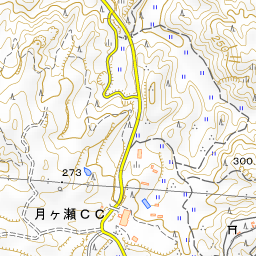


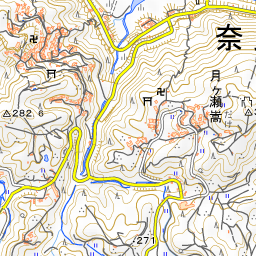
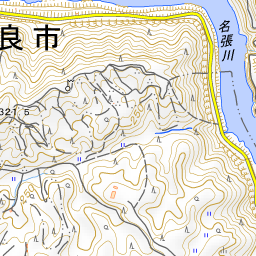
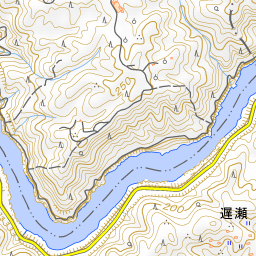

Spot location © OpenStreetMap contributors (ODbL)
Open in Google MapsGuides that include this spot (1)
Use asobot while you walk
- See where you are on the map and find spots nearby
- Listen to the guide's audio in course order, one after another (with subtitles)
- Walk to the next spot while following the map
Open on your phone
Scan to open this spot in asobot on your phone.