 ✨ AI Generated
Jodo-ji Temple
Japanese: 浄土寺
Onomichi, Hiroshima
This information was written by AI and may contain mistakes. Please check official sources for opening hours, fees, and other details before you go.
Found a mistake? Let us know with “✏️ Something's wrong” on this spot's screen in asobot →
🎧 Audio guide(1:02)
In short
Jodo-ji Temple is an ancient temple representing Onomichi, said to have been founded in 616 by Prince Shotoku. Both the Main Hall and the Taho-to Pagoda are National Treasures, structures such as the Sanmon Gate, the Amida-do Hall, and the Rotekian teahouse are Important Cultural Properties of Japan, and the garden facing the Hojo (abbot's quarters) is designated as a national Place of Scenic Beauty, so it is also known as the "Temple of National Treasures."
- National Treasure Main Hall and Taho-to Pagoda: The Main Hall, built in 1327, is in an eclectic style that combines the traditional Japanese Wayo style with styles introduced from China, and the Taho-to Pagoda standing alongside it is considered a representative pagoda of the late Kamakura period
- Sanmon Gate and Amida-do Hall: Passing through the Sanmon Gate, an Important Cultural Property, you will see historic buildings like the Amida-do Hall standing within the temple grounds
- Garden and Rotekian Teahouse: At the back of the scenic garden stands the Rotekian teahouse, which is said to have been relocated from Fushimi Castle in Kyoto
History and Highlights
Jodo-ji Temple is an ancient temple representing Onomichi, said to have been founded in 616 by Prince Shotoku. Toward the end of the Kamakura period, in 1306, a monk named Josho from Saidai-ji Temple in Nara restored the temple. However, its temple complex was destroyed by fire in 1325. Following this, the people of Onomichi devoted themselves to its reconstruction, rebuilding the Main Hall in 1327, followed by the Taho-to Pagoda. The Main Hall was built through the patronage of a local Onomichi couple, Doren and Dosho.
In 1336, at the beginning of the Nanboku-cho period, Ashikaga Takauji is said to have prayed for victory in battle at this temple, and it is also known for its deep ties to the Ashikaga family. Both the Main Hall and the Taho-to Pagoda are designated as National Treasures, while structures such as the Sanmon Gate, the Amida-do Hall, and the Rotekian teahouse are designated as Important Cultural Properties of Japan. The garden facing the Hojo (abbot's quarters) is designated as a Place of Scenic Beauty. Because of its abundance of cultural assets, it is also known as the "Temple of National Treasures."
Viewing and Experience Highlights
- National Treasure Main Hall and Taho-to Pagoda: The Main Hall was built in an eclectic style (setchuyo) that combines the traditional Japanese Wayo style with architectural styles introduced from China. Standing alongside it, the well-proportioned Taho-to Pagoda is considered a representative pagoda of the late Kamakura period. Take your time to appreciate the view where these two National Treasures stand side by side.
- Sanmon Gate and Amida-do Hall: Passing through the Sanmon Gate, an Important Cultural Property, you will see historic buildings like the Amida-do Hall standing within the temple grounds. From the Sanmon Gate, you can also look out over the townscape of Onomichi.
- Garden and Rotekian Teahouse: At the back of the scenic garden stands the Rotekian teahouse, which is said to have been relocated from Fushimi Castle in Kyoto. It is a structure that preserves the appearance of teahouses from that era.
Travel Tips
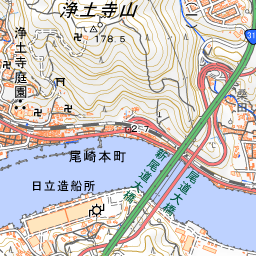
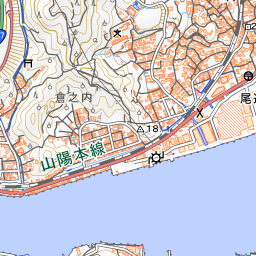
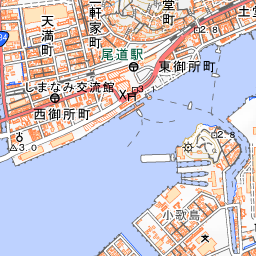
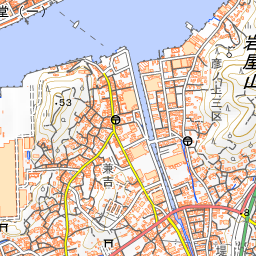
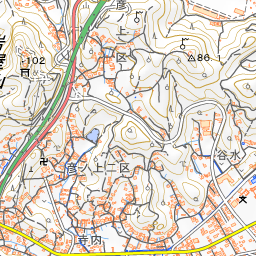
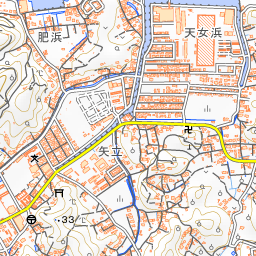
Jodo-ji Temple is located at the foot of Mt. Jodoji, further east from Senko-ji Temple and Saikoku-ji Temple. From JR Onomichi Station, it takes about 7 minutes by eastbound bus to the "Jodoji-shita" bus stop, or about a 25-minute walk. On top of Mt. Jodoji behind the temple sits the Okunoin (inner sanctuary), and an observation deck offers a panoramic view of the town and sea of Onomichi. As you will be climbing a mountain path, comfortable walking shoes are recommended. Along with Saikoku-ji Temple and Senko-ji Temple, Jodo-ji Temple is one of the temples on the "Onomichi Seven Buddhas Pilgrimage," and it is a good place to start or end a walk exploring the historic temples of Onomichi.
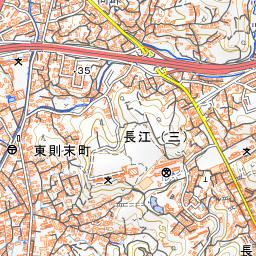
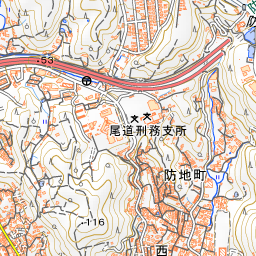
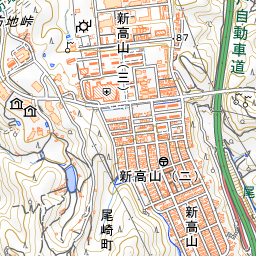
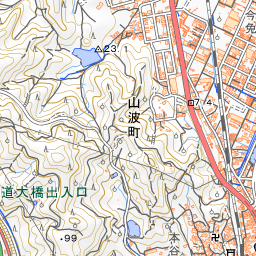
Spot location © OpenStreetMap contributors (ODbL)
Open in Google MapsGuides that include this spot (1)
Use asobot while you walk
- See where you are on the map and find spots nearby
- Listen to the guide's audio in course order, one after another (with subtitles)
- Walk to the next spot while following the map
Open on your phone
Scan to open this spot in asobot on your phone.