 ✨ AI Generated
Tosa Kaido
Japanese: 土佐街道
Takatori Town, Nara
This information was written by AI and may contain mistakes. Please check official sources for opening hours, fees, and other details before you go.
Found a mistake? Let us know with “✏️ Something's wrong” on this spot's screen in asobot →
🎧 Audio guide(1:06)
In short
Tosa Kaido is the main street of Takatori Town, which flourished as a castle town of the 25,000-koku Takatori Domain. It is said that 500 merchant houses lined the street in those days, and rows of old houses with low eaves and renjimado (latticed windows) still continue today. Directly ahead of the street rises Mt. Takatori, home to the Takatori Castle Ruins.
- Origin of the name Tosa: Said to have originated during the early Asuka period, when people from Tosa who were mobilized to build the capital could not return home and settled here.
- Cobblestones and medicinal herb tiles: Tiles depicting nine types of medicinal herbs are embedded in a cobblestone road made of paving stones reclaimed from post-earthquake reconstruction work.
- Musokan: A tourist information center renovated from a Taisho-era kimono fabric shop, serving as a base for strolling through the castle town.
History and Highlights
Tosa Kaido is a castle town street that stretches from Tsubosakayama Station on the Kintetsu Yoshino Line to the base of Takatori Castle. As the main street of the 25,000-koku Takatori Domain's castle town, it is said that 500 merchant houses once lined the way. Even today, reminders of past prosperity linger throughout the rows of old houses, seen in features such as low eaves and renjimado.
The origin of the name Tosa dates back to the beginning of the Asuka period. It is said to have begun when people from Tosa (present-day Kochi) who were mobilized for the Yamato Court's capital construction were unable to return to their hometown and settled in this area. When towns and villages merged in 1889, a dispute even arose over whether to name the village "Takatori" or "Tosa."
When the Uemura clan became the lords of the domain during the Edo period, living in the mountaintop castle proved inconvenient, so the residences of the domain lord and his retainers were moved along the street. In this way, a long, narrow castle town directly facing Mt. Takatori developed, centered around what are now Kami-Tosa and Shimo-Tosa.
Viewing and Experience Points
- Tsushi-nikai Machiya Houses: Most merchant and townhouses were single-story buildings, built in the "tsushi-nikai" style where the second floor was kept to an attic-sized space. Mushikomado (insect-cage windows) were installed so residents would not look down upon the feudal lord. Spaces between houses were plastered over with walls or paneled with wooden boards to prevent attackers targeting the lord's procession from hiding.
- Waterways and Cobblestones: Waterways flow along both sides of the street. In the event of a fire, wooden boards could be inserted to dam the water, allowing it to be used for firefighting. The cobblestones are paving stones from the Hanshin Kokudo tram line, salvaged in large quantities during reconstruction work following the 1995 earthquake. Tiles depicting nine types of medicinal herbs are embedded here and there, conveying the history of Takatori as a thriving town of medicine.
- Fudanotsuji: The junction where Tsubosakamichi branches off from Tosa Kaido. In the past, official noticeboards stood here to announce official edicts to passersby. A roadside signpost inscribed with "To the right, Tsubosaka" still remains.
Strolling Tips
The base for walking around the town is the tourist information center Musokan. It opened in 2000 after renovating the former Yamazaki residence, which had flourished as a kimono fabric merchant in the Taisho era. During the "Machiya Hina Doll Festival" in March, the entranceways and storefronts of around 100 private residences along the street are decorated with their respective families' Hina dolls. Past the street and beyond Kamikoshimasawa Sabo Park, the path turns into the main approach ascending to the Takatori Castle Ruins. It takes about two hours one way on foot from Tsubosakayama Station to the Takatori Castle Ruins. From the castle ruins, there is also a trail descending to Tsubosaka-dera Temple (Minami-Hokke-ji Temple). Tourist guided walking courses also include the graves of Osato and Sawaichi, characters from the tale "Tsubosaka Reigenki," which depicts a couple from Tosa Town and recounts the miraculous virtue of the Kannon at Tsubosaka-dera Temple.
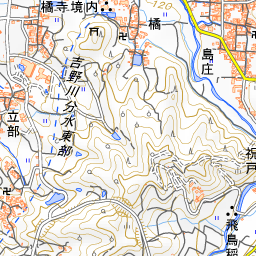
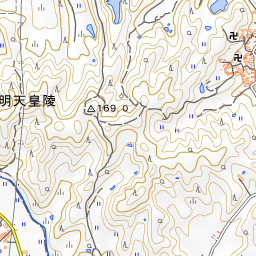
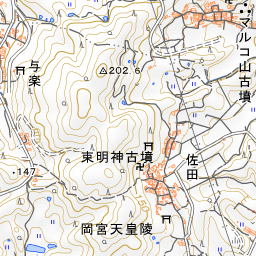
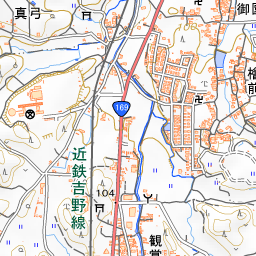
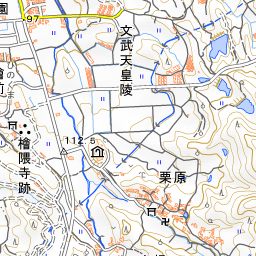
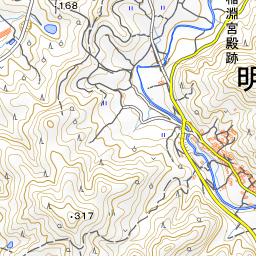
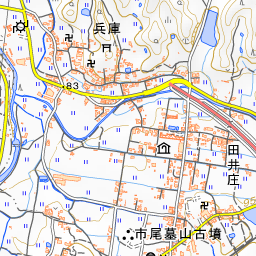
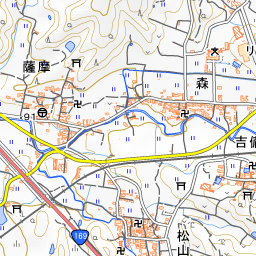
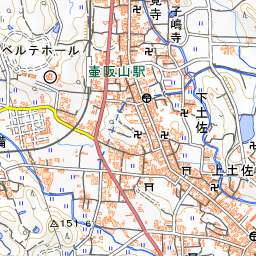
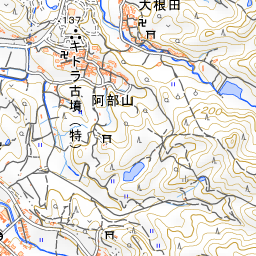
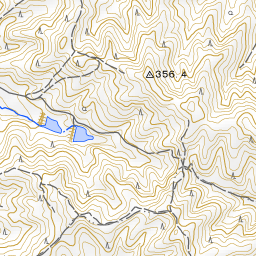
Spot location © OpenStreetMap contributors (ODbL)
Open in Google MapsGuides that include this spot (1)
Use asobot while you walk
- See where you are on the map and find spots nearby
- Listen to the guide's audio in course order, one after another (with subtitles)
- Walk to the next spot while following the map
Open on your phone
Scan to open this spot in asobot on your phone.