 ✨ AI Generated
Nijo Castle
Japanese: 二条城
Nakagyo Ward, Kyoto
This information was written by AI and may contain mistakes. Please check official sources for opening hours, fees, and other details before you go.
Found a mistake? Let us know with “✏️ Something's wrong” on this spot's screen in asobot →
🎧 Audio guide(1:07)
In short
A castle built in 1603 (Keicho 8) by Tokugawa Ieyasu, the first shogun of the Edo shogunate, to serve as protection for the Kyoto Imperial Palace and as lodging when the shogun visited Kyoto. It is where the 15th shogun, Tokugawa Yoshinobu, expressed his intention to return political power to the Emperor (Taisei Hokan) in 1867 (Keio 3), and in 1994 (Heisei 6) it was registered as a UNESCO World Cultural Heritage site.
- National Treasure Ninomaru Palace: The only palace complex surviving in a Japanese castle, and the wall and screen paintings in the Ohiroma (Grand Chamber) were executed by Kano Tan'yu. The corridors that produce sounds resembling the chirping of birds when walked upon are called "uguisubari" (nightingale floors)
- Karamon Gate and Ninomaru Garden: The inner side of the Karamon Gate is adorned with richly colored carvings featuring motifs such as "cranes with pine, bamboo, and plum" and "Chinese guardian lions." The Ninomaru Garden, designated as a Special Place of Scenic Beauty, features Horai Island in the center of the pond, flanked by crane and turtle islands on either side
- Honmaru Palace and Castle Keep Base (Tenshudai): The Honmaru Palace, relocated from the Katsura-no-miya residence, is a National Important Cultural Property. The castle tower was destroyed by fire due to a lightning strike in 1750 (Kan'en 3); today, the stone base (tenshudai) remains, and from it visitors can look out over the Kyoto cityscape
History and Highlights
Nijo Castle was built in 1603 (Keicho 8) by Tokugawa Ieyasu, the first shogun of the Edo shogunate, to serve as protection for the Kyoto Imperial Palace where the Emperor resided, and as lodging when the shogun visited Kyoto. In 1626 (Kan'ei 3), in preparation for an imperial visit by Emperor Gomizunoo, extensive renovations were carried out by the retired shogun Hidetada during the rule of the third shogun, Iemitsu. The castle grounds were expanded to their current size, and a castle tower (keep) and the Honmaru Palace were constructed.
In October 1867 (Keio 3), the 15th shogun, Tokugawa Yoshinobu, gathered senior vassals from 40 domains present in Kyoto in the Grand Chamber (Ohiroma) of the Ninomaru Palace to hear their opinions, expressing his intention to return political power to the Emperor (Taisei Hokan). In 1884 (Meiji 17), it became an imperial villa named "Nijo Detached Palace." In 1939 (Showa 14), it was bestowed upon the city of Kyoto, and from the following year, it was opened to the public as the "Former Imperial Villa Nijo Castle (Gift of the Emperor)." In 1994 (Heisei 6), it was registered as a UNESCO World Cultural Heritage site.
Sights and Experience Highlights
- National Treasure Ninomaru Palace: Six interconnected buildings—the Toozamurai, Shikidai, Ohiroma, Sotetsu-no-ma, Kuroshoin, and Shiroshoin—are arranged in an echelon (flying geese) formation from southeast to northwest. The complex is designated as a National Treasure as the only palace complex surviving in a Japanese castle, and the wall and screen paintings in the Ohiroma were executed by Kano Tan'yu. The corridors that produce sounds resembling the chirping of birds when walked upon are called uguisubari (nightingale floors), a sound produced by the friction between the metal clamps holding the floorboards and the nails.
- Karamon Gate and Ninomaru Garden: The Karamon Gate is the main entrance to the Ninomaru Palace, and the inner side of the gate is adorned with richly colored carvings featuring motifs such as "cranes with pine, bamboo, and plum" and "Chinese guardian lions." The Ninomaru Garden, designated as a Special Place of Scenic Beauty, features an arrangement with Horai Island in the center of the pond, flanked by crane and turtle islands on either side. It was renovated under the supervision of Kobori Enshu, the Commissioner of Buildings (Sakuji Bugyo), on the occasion of the Kan'ei imperial visit.
- Honmaru Palace and Castle Keep Base (Tenshudai): The Honmaru Palace is a National Important Cultural Property that was relocated in 1893 (Meiji 26) from the Katsura-no-miya residence formerly situated to the northeast of the Kyoto Imperial Palace. It is currently the only surviving large-scale imperial princely residence dating back to the Edo period. A five-story castle tower once stood at the southwest corner, but it was destroyed by fire due to a lightning strike in 1750 (Kan'en 3); today, only the stone base (tenshudai) remains. From the tenshudai, visitors can look out over the Honmaru Palace, the Honmaru Garden, and the Kyoto cityscape.
Tips for Exploring
The official recommended route takes about two hours, entering through the main gate, the Higashi Otemon Gate, and visiting the Karamon Gate, Ninomaru Palace, Ninomaru Garden, Honmaru, and the Seiryu-en Garden. The Seiryu-en Garden was constructed in 1965 (Showa 40), featuring a Japanese-style garden on its western side and a Western-style lawn garden on its eastern side. Within the castle grounds, there are about 300 cherry trees of approximately 50 varieties, which reach their peak bloom from late March to April. In autumn, the maple and ginkgo leaves change color. Located directly south of the castle is Shinsenen Garden.


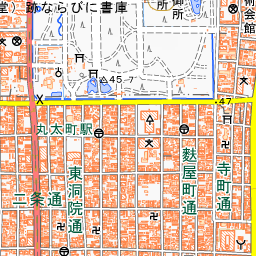

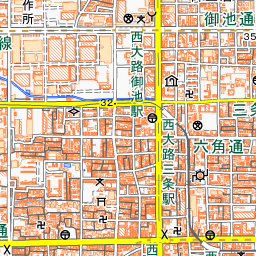

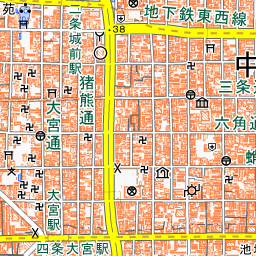

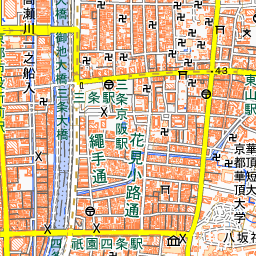
Spot location © OpenStreetMap contributors (ODbL)
Open in Google MapsGuides that include this spot (1)
Use asobot while you walk
- See where you are on the map and find spots nearby
- Listen to the guide's audio in course order, one after another (with subtitles)
- Walk to the next spot while following the map
Open on your phone
Scan to open this spot in asobot on your phone.