 ✨ AI Generated
Kokyo Gaien National Garden
Japanese: 皇居外苑
Chiyoda City, Tokyo
This information was written by AI and may contain mistakes. Please check official sources for opening hours, fees, and other details before you go.
Found a mistake? Let us know with “✏️ Something's wrong” on this spot's screen in asobot →
🎧 Audio guide(1:01)
In short
Kokyo Gaien National Garden is a national garden centered around the Imperial Palace Outer Plaza. During the Edo period, it was part of Edo Castle known as Nishinomarushita, and it is now popular for its sweeping lawn dotted with approximately 2,000 black pines, set against the harmonious backdrop of moats and castle gates.
- Nijubashi Bridge: Consists of the Seimon Ishibashi (stone bridge) in the foreground and the Seimon Tetsubashi (iron bridge) behind it over the moat. They are not used in everyday circumstances, but are utilized for official palace events.
- Statue of Kusunoki Masashige: A bronze equestrian statue created by the staff of the Tokyo Fine Arts School, including Takamura Koun, measuring about 8 meters including its pedestal.
- Sakuradamon Gate: The site of the Sakuradamon Incident where Chief Minister (Tairo) Ii Naosuke was assassinated. It is a National Important Cultural Property that well preserves the form of a square compound (masugata).
History and Highlights
Kokyo Gaien National Garden is a national garden centered on the Imperial Palace Outer Plaza, where part of the former Imperial Palace grounds was opened to the public in Showa 24 (1949). Including the Kitanomaru district on the north side of the Imperial Palace and the 12 moats surrounding the palace, the total area covers approximately 115 hectares. For details on the Kitanomaru district, please see the guide for Kitanomaru Park.
During the Edo period, the area of the Imperial Palace Outer Plaza was an area of Edo Castle called Nishinomarushita, which housed the residences of senior officials of the shogunate. Entering the Meiji era, it was used for Meiji government offices and military barracks, before everything was removed under the direction of Ito Hirobumi and many trees were planted, turning it into a vast open plaza.
The scenery today is characterized by approximately 2,000 Japanese black pines scattered across the large lawn. Before Edo Castle was constructed, this area was an inlet, and black pines grew wild on the hills. Planting on the plaza began in Meiji 21 (1888), and through redevelopment projects carried out from Showa 14 (1939) to Showa 18 (1943), it assumed its present appearance.
Sights and Highlights to Explore
- Nijubashi Bridge: Two bridges span the moat leading from the Imperial Palace Outer Plaza to the Main Gate. The one in the foreground is the Seimon Ishibashi (stone bridge), and the one in the back is the Seimon Tetsubashi (iron bridge). While "Nijubashi" is generally used as a collective term for both bridges, strictly speaking, it refers to the bridge in the rear; the name derives from its former two-tiered structure with an intermediate support platform holding the bridge girders. The rear bridge was formerly called Gejobashi. Normally not in use, it is utilized during official imperial events, such as the New Year General Public Visit and visits by foreign dignitaries to the Imperial Palace.
- Statue of Kusunoki Masashige: A bronze equestrian statue standing in the southeastern corner of the garden. Conceived by the Sumitomo family, developers of the Besshi Copper Mine, to commemorate the 200th anniversary of the mine's opening, it was sculpted by staff from the Tokyo Fine Arts School including Takamura Koun, and completed in July of Meiji 33 (1900). Measuring about 8 meters including the pedestal, it is counted as one of the "Three Great Bronze Statues of Tokyo."
- Sakuradamon Gate: Officially known as the Outer Sakuradamon Gate of the Former Edo Castle. It is a masugata castle gate with a square courtyard situated between two gates, and this masugata enclosure is the largest among surviving castle gates. Because its form is well preserved, it was designated as a National Important Cultural Property in Showa 36 (1961). It is the site of the Sakuradamon Incident of Man'en 1 (1860), where Chief Minister Ii Naosuke was assassinated by masterless samurai of the Mito clan and others along the moat outside this gate.
Walking Tips
The Nanko Rest House, located at the southern end of the garden, serves as a good starting point for a walk. Heading toward Sakuradamon Gate from here and proceeding north along the moat, you will pass by Nijubashi Bridge and the Tatsumi Yagura (corner watchtower). You can take a break at the Wadakura Fountain Park further ahead, and also enter the East Gardens of the Imperial Palace through the Otemon Gate. The nearest stations, Nijubashimae Station and Hibiya Station, are both a 2-minute walk away. After sunset, the Statue of Kusunoki Masashige and Sakuradamon Gate are illuminated, lit by a gentle glow.
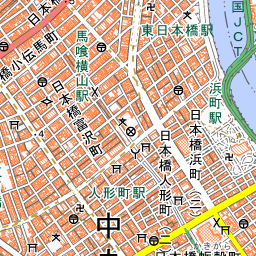
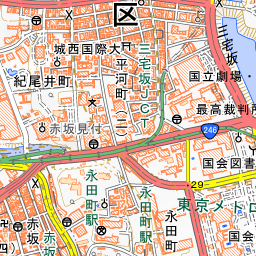
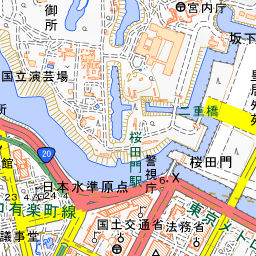
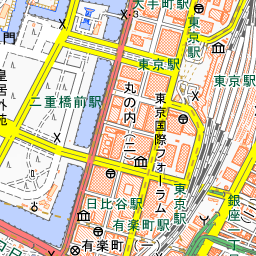


Spot location © OpenStreetMap contributors (ODbL)
Open in Google MapsGuides that include this spot (1)
Use asobot while you walk
- See where you are on the map and find spots nearby
- Listen to the guide's audio in course order, one after another (with subtitles)
- Walk to the next spot while following the map
Open on your phone
Scan to open this spot in asobot on your phone.