 ✨ AI Generated
Imaicho
Japanese: 今井町
Kashihara, Nara
This information was written by AI and may contain mistakes. Please check official sources for opening hours, fees, and other details before you go.
Found a mistake? Let us know with “✏️ Something's wrong” on this spot's screen in asobot →
🎧 Audio guide(1:08)
In short
Imaicho is a jinaimachi (temple town) that originated around Shonen-ji Temple during the Sengoku period, and later flourished as the largest zaigomachi (merchant town in a rural area) in southern Yamato during the Edo period. It was once so prosperous that it was said, "Seventy percent of the wealth of Yamato is in Imai." About 500 traditional buildings remain within this area of approximately 17.4 hectares, and it is selected as an Important Preservation District for Groups of Traditional Buildings.
- Bending Streets: Most streets in the town bend at least once. This is a vestige of defensive design to block lines of sight against invading enemies.
- Imanishi Family Residence: The home of the head of the sodoshiyori (senior town councilors), it is called yatsumune-zukuri due to its castle-like structure.
- Shonen-ji Temple: The Jodo Shinshu temple that served as the core of Imaicho and the center for overall town administration.
History and Highlights
Imaicho is a town located in the southern part of the Nara Basin where an Edo-period townscape remains. The town emerged during the Tenbun era (1532–1555) of the Sengoku period. A priest of Ikko-shu Hongan-ji built the jinaimachi, and followers founded a gobo temple (Shonen-ji Temple). The followers maintained armed forces for self-defense and surrounded the town with moats.
When Oda Nobunaga marched to Kyoto, Hongan-ji rebelled against him, and Imaicho resisted as a fortified city centered around the temple. In Tensho 3 (1575), Imaicho surrendered to Nobunaga through Akechi Mitsuhide and avoided destruction. Afterward, exchanges with Osaka and Sakai increased, and in the Edo period, it prospered greatly as the largest zaigomachi in southern Yamato, leading to the saying, "Seventy percent of the wealth of Yamato is in Imai." Alongside Sakai, it was granted autonomous privileges, and town administration was handled by the sodoshiyori and machidoshiyori (town councilors).
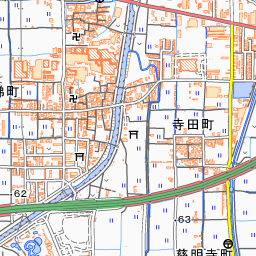
The current preservation district covers an area of 17.4 hectares. Of the slightly fewer than 760 total buildings, about 500 are traditional structures, making it the district with the largest number of such buildings in Japan. It was selected as an Important Preservation District for Groups of Traditional Buildings in Heisei 5 (1993).
Highlights for Visitors
- Streets with Blocked Sightlines: Most of the town's streets make at least one turn. This was done to prevent enemies from seeing far into the town or shooting through with bows and arrows or guns during invasions. By the middle of the Edo period, this feature shifted to protecting the lives and property of wealthy merchants from outsiders.
- Imanishi Family Residence: Located at the western edge of the town, this is the residence of the head of the sodoshiyori. The ridgepole plaque bears the date Keian 3 (1650). With its walls covered in white plaster and smaller sub-ridges built at tiered heights on either end of the main ridge, its appearance evokes a castle and is known as yatsumune-zukuri. Advance reservations are required for viewing.
- Shonen-ji Temple: The Jodo Shinshu temple that was the core of Imaicho and the administrative center for the town. The main hall was built in the early 17th century and clearly shows the characteristics of large-scale Shinshu temples. The grounds also contain a drum tower.
Tips for Exploring
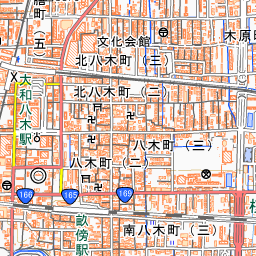
Imaicho is about a 5-minute walk from Kintetsu Yagi-nishiguchi Station and about an 8-minute walk from JR Unebi Station. Crossing the red Sobu-bashi Bridge over the Asuka River brings you to the start of the Imaicho townscape. Located in the middle of Honmachi-suji street, the Imai Machiya Hall is a building restored to its original early 18th-century townhouse appearance, allowing visitors to feel the atmosphere of the mid-Edo period. During the annual "Imai Townscape Walk," events such as free public viewings of Important Cultural Properties, the Imai Rokusai-ichi market, and a tea procession are held, attracting more than 10,000 visitors every year.
Guides that include this spot (1)
Use asobot while you walk
- See where you are on the map and find spots nearby
- Listen to the guide's audio in course order, one after another (with subtitles)
- Walk to the next spot while following the map
Open on your phone
Scan to open this spot in asobot on your phone.