 ✨ AI Generated
Gio-ji Temple
Japanese: 祇王寺
Ukyo Ward, Kyoto
This information was written by AI and may contain mistakes. Please check official sources for opening hours, fees, and other details before you go.
Found a mistake? Let us know with “✏️ Something's wrong” on this spot's screen in asobot →
🎧 Audio guide(1:09)
In short
Gio-ji Temple is a modest hermitage nunnery surrounded by bamboo groves and lush green maples, known as the "nunnery of tragic love" that appears in The Tale of the Heike. The current building is one of the buildings of a villa donated in 1895 (Meiji 28) by Kitagaki Kunimichi, a former governor of Kyoto Prefecture, and the temple is a sub-temple (tatchu) of Daikaku-ji Temple, a temple of the Shingon sect Daikaku-ji branch.
- Moss Garden and Fallen Autumn Leaves: The garden is covered in many varieties of moss, and in late autumn, it becomes a garden of "scattered autumn leaves," where red and yellow fallen leaves cover the entire surface of the moss garden
- Thatched-roof Hermitage and Yoshino Window: A large round window in the anteroom of the thatched-roof hermitage. Because sunlight casts a variety of colors onto the shoji screen, it is also referred to as the "Rainbow Window"
- Wooden Statues and Hokyointo Pagoda: In the Buddhist altar room, the principal image of Dainichi Nyorai is enshrined alongside wooden statues of Taira no Kiyomori, Gio, Gijo, their mother Toji, and Hotoke Gozen. Within the precinct, a hokyointo pagoda, said to be the grave of Gio, Gijo, and Toji, stands alongside a gorinto (five-tiered pagoda) dedicated to the memorial of Kiyomori
History and Highlights
Gio-ji Temple is a modest hermitage nunnery surrounded by bamboo groves and lush green maples. It is known as the "nunnery of tragic love" that appears in The Tale of the Heike.
According to the tale, Gio was a shirabyoshi dancer who served Taira no Kiyomori. However, when another shirabyoshi named Hotoke Gozen appeared and Kiyomori's affections shifted away from her, Gio became a Buddhist nun and moved to this area together with her mother, Toji, and her younger sister, Gijo. It is told that later, Hotoke Gozen also became a nun and joined them, and the four spent the rest of their lives devoted entirely to reciting the Nembutsu.
According to the temple records, this site was once home to Ojo-in, a temple founded during the Heian period by Nenbutsubo Ryochin, a disciple of Honen, which later came to be called Gio-ji Temple. The temple was once abandoned in the early Meiji period, but its remaining graves and Buddhist statues were taken into the care of Daikaku-ji Temple. Around the time Daikaku-ji Temple was planning its reconstruction, Kitagaki Kunimichi, a former governor of Kyoto Prefecture who heard the story of Gio, donated a villa from Saga in 1895 (the 28th year of the Meiji period), which became the current building of Gio-ji Temple. Due to this connection, it is a temple of the Shingon sect Daikaku-ji branch and serves as a sub-temple (tatchu) of Daikaku-ji Temple.
Viewing and Experience Highlights
- Moss Garden and Fallen Autumn Leaves: Beyond the approach path lies a garden covered in moss. There are many varieties of moss, and wild mountain plants also bloom around them. In late autumn, it transforms into a garden of "scattered autumn leaves," where red and yellow fallen leaves cover the entire surface of the moss garden.
- Thatched-roof Hermitage and Yoshino Window: In the anteroom of the thatched-roof hermitage, there is a large round window known as the Yoshino Window. Because the sunlight filtering through the green leaves in the precinct casts a variety of colors onto the shoji screen, it is also referred to as the "Rainbow Window."
- Wooden Statues and Hokyointo Pagoda: In the Buddhist altar room of the hermitage, the principal image of Dainichi Nyorai is enshrined alongside wooden statues of Taira no Kiyomori, Gio, Gijo, their mother Toji, and Hotoke Gozen. The statues of Gio and Gijo were created toward the end of the Kamakura period and feature striking crystal eyes. Within the precinct, a hokyointo pagoda, said to be the grave of Gio, Gijo, and Toji, stands alongside a gorinto (five-tiered pagoda) dedicated to the memorial of Kiyomori.
Walking Tips
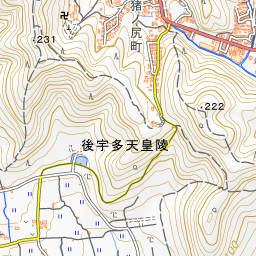
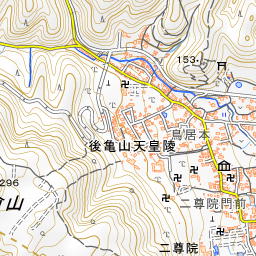
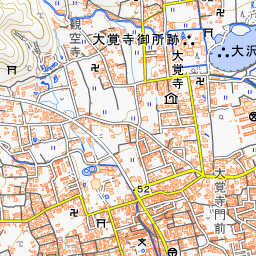
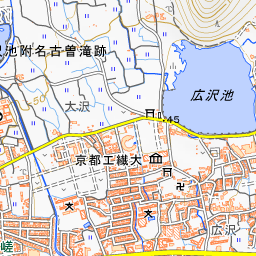
You can explore neighboring temples on foot. Nison-in Temple is about 240 meters to the southeast, Jojakko-ji Temple is about 460 meters to the south, and Rakushisha Hermitage is about 500 meters to the southeast. It takes about a 25-minute walk to Daikaku-ji Temple while viewing the surrounding fields. Visitors are requested to refrain from photographing the Buddhist statues inside the hermitage.
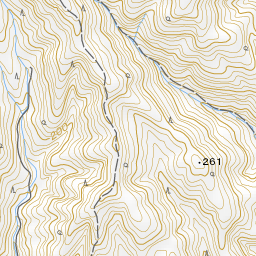
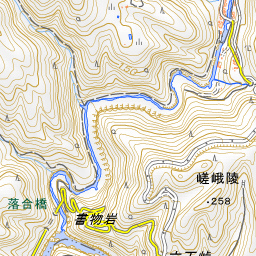
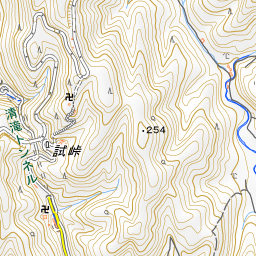
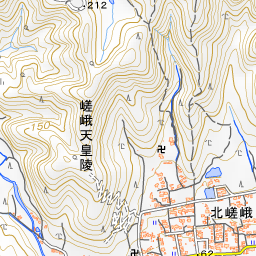
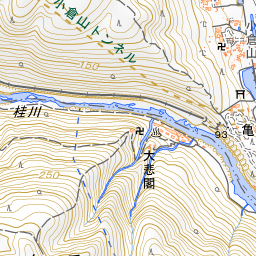
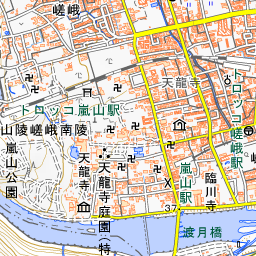
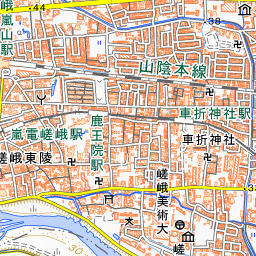
Spot location © OpenStreetMap contributors (ODbL)
Open in Google MapsGuides that include this spot (1)
Use asobot while you walk
- See where you are on the map and find spots nearby
- Listen to the guide's audio in course order, one after another (with subtitles)
- Walk to the next spot while following the map
Open on your phone
Scan to open this spot in asobot on your phone.