 ✨ AI Generated
Ota Family Residence
Japanese: 太田家住宅
Fukuyama, Hiroshima
This information was written by AI and may contain mistakes. Please check official sources for opening hours, fees, and other details before you go.
Found a mistake? Let us know with “✏️ Something's wrong” on this spot's screen in asobot →
🎧 Audio guide(1:00)
In short
The Ota Family Residence is a wealthy merchant's residence from the Edo period surviving within the townscape of Tomonoura. It was the estate of the Nakamura family, who brewed and sold Homeishu, a liquor known as a specialty of Tomo, and was later taken over by the Ota family. In 1991, nine buildings, including the main house and the Homeishu storehouses, were collectively designated as National Important Cultural Properties.
- Main House Facing the Street: A large two-story building with a traditional hongawarabuki tiled roof. Visitors can tour it while sensing the lifestyle and commerce of a wealthy merchant, including the earthen-floored shop area (doma) where business was conducted
- Homeishu Storehouses: The storehouses where Homeishu was brewed still remain today, and their imposing presence lined with hongawarabuki tiled roofs speaks to the grand scale of a family that prospered through liquor brewing
- Stage of the End of the Edo Period: In 1863, seven court nobles led by Sanjo Sanetomi, who had been driven from the capital, stayed here, and it is said that they stopped by again the following year and held a war council. The residence is designated as a Hiroshima Prefecture Historic Site under the name "Tomo Shichikyo-ochi Ruins"
History and Highlights
The Ota Family Residence is a wealthy merchant's residence from the Edo period surviving within the townscape of Tomonoura, and is designated as a National Important Cultural Property. It was originally the estate of the Nakamura family, who brewed and sold "Homeishu," a liquor known as a specialty of Tomo, and was later taken over by the Ota family. In 1991 (Heisei 3), nine buildings—including the main house, kitchen, hearth house (kamaya), Homeishu storehouses, and earthen-walled storehouses (dozo)—were collectively designated as Important Cultural Properties. The main house was built in the mid-18th century, and many of the storehouses were constructed between the late 18th century and early 19th century, conveying the appearance of Edo-period merchant houses and sake brewing to the present day.
This residence also served as the stage for events at the end of the Edo period. In 1863 (Bunkyu 3), seven court nobles led by Sanjo Sanetomi, who were driven from the capital following a political upheaval in Kyoto, entered the port of Tomo and stayed here while fleeing to Choshu. It is said that they stopped by again the following year on their way to Kyoto and held a war council here. Because of this, the residence was designated as a Hiroshima Prefecture Historic Site in 1940 (Showa 15) under the name "Tomo Shichikyo-ochi Ruins."
Viewing and Experience Highlights
- Main House Facing the Street: Facing the main street, the main house is a large two-story building with a traditional hongawarabuki tiled roof. Visitors can tour the interior while sensing the lifestyle and commerce of a wealthy merchant, including the earthen-floored shop area (doma) where business was conducted.
- Homeishu Storehouses: The storehouses where Homeishu was brewed—the North, East, and South Homeishu Storehouses—still remain today. Many are two-story earthen-walled structures, and their imposing presence lined with hongawarabuki tiled roofs speaks to the grand scale of a family that prospered through liquor brewing.
- Detached Villa Chosotei: Across the street to the east stands the "Ota Family Residence Chosotei," a detached villa used when welcoming the feudal lord, which is also a National Important Cultural Property. Viewing it together with the main residence provides a broader sense of the merchant lifestyle in Tomo.
Walking Tips
The Ota Family Residence is located within the historic townscape of Tomonoura, just a short walk from the Joyato Stone Lantern, the symbol of the port. Visiting it as part of a stroll through the townscape is recommended. Information regarding Sakamoto Ryoma and the Iroha Maru Incident is introduced under the spot "Tomonoura," while harbor views are detailed under "Joyato Stone Lantern" and "Fukuzen-ji Temple."
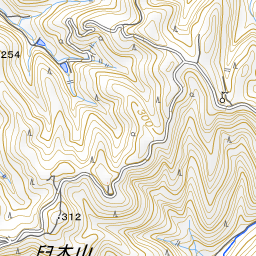




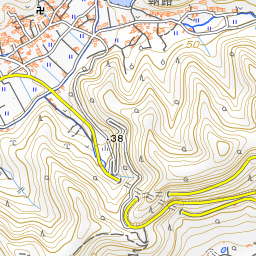


Spot location © OpenStreetMap contributors (ODbL)
Open in Google MapsGuides that include this spot (1)
Use asobot while you walk
- See where you are on the map and find spots nearby
- Listen to the guide's audio in course order, one after another (with subtitles)
- Walk to the next spot while following the map
Open on your phone
Scan to open this spot in asobot on your phone.