 ✨ AI Generated
Ishikiri Sando Shopping Street
Japanese: 石切参道商店街
Higashiosaka, Osaka
This information was written by AI and may contain mistakes. Please check official sources for opening hours, fees, and other details before you go.
Found a mistake? Let us know with “✏️ Something's wrong” on this spot's screen in asobot →
🎧 Audio guide(1:09)
In short
An approach (sando) shopping street lined with nostalgic Showa-era shops, stretching from Ishikiri Station on the Kintetsu Nara Line to Ishikiri Tsurugiya-jinja Shrine. Extending for about 1 kilometer, it is home to more than 100 shops, and it is also famous as a "sacred site for fortune-telling." During the Edo period, traditional herbal medicine shops gathered along the approach, and in the Taisho period, with the laying of the railway and the opening of Ishikiri Station, many tourists from across the Kinki region began to visit.
- Taste mugwort specialties: "Yomogi udon" (mugwort noodles) and "yomogi dango" (mugwort dumplings), made by kneading mugwort harvested in the nature of Mt. Ikoma, are famous specialties of Ishikiri. Foods perfect for eating while strolling, such as rice crackers and skewered dumplings, are also available
- An approach lined with fortune-telling shops: There are numerous shops offering palm reading, tarot, Four Pillars of Destiny, and other forms of divination, and a slightly mysterious atmosphere drifts through this approach, which is said to be the largest concentration of fortune-tellers in Japan
- Browse traditional, long-standing shops: A wide variety of shops stand side by side, including food and herbal medicine shops, clothing and daily sundries stores, old-fashioned toy shops, and shops selling hard-baked rice crackers (katayaki senbei)
History and Highlights
Ishikiri Sando Shopping Street is an approach (sando) shopping street stretching from Ishikiri Station on the Kintetsu Nara Line to Ishikiri Tsurugiya-jinja Shrine, lined with nostalgic Showa-era shops. Extending for about 1 kilometer, it is home to more than 100 shops where visitors can enjoy street food and shopping. It is also famous as a "sacred site for fortune-telling."
The history of the approach is closely tied to the blessings of Mt. Ikoma. Long ago, many watermills stood in this area, using water flowing down from Mt. Ikoma to turn the millstones and grind powder. Mt. Ikoma was a training ground for mountain ascetics (shugensha); living in the mountains, they were well-versed in plants and minerals and bartered the plants they gathered with local villagers. The villagers ground these plants into powder to sell as medicine, and during the Edo period, traditional herbal medicine shops gathered along the approach. The approach developed significantly during the Taisho period. With the laying of the railway and the opening of Ishikiri Station, many tourists from across the Kinki region began to visit.
After World War II, Ishikiri Tsurugiya-jinja Shrine also came to be deeply revered as a deity for warding off cancer. It is said that life counseling offices increased along the approach to support the feelings of people living with illnesses who had nowhere else to turn, eventually evolving into fortune-telling.
Points for Appreciation and Experience
- Taste mugwort specialties: "Yomogi udon" (mugwort noodles) and "yomogi dango" (mugwort dumplings), made by kneading mugwort harvested in the nature of Mt. Ikoma, are famous specialties of Ishikiri. Along the approach, foods perfect for eating while strolling, such as rice crackers and skewered dumplings, are also available.
- An approach lined with fortune-telling shops: Along the approach, there are numerous shops offering palm reading, tarot, Four Pillars of Destiny, and other forms of divination. A slightly mysterious atmosphere drifts through this approach, which is said to be the largest concentration of fortune-tellers in Japan.
- Browse traditional, long-standing shops: A wide variety of shops stand side by side, including food and herbal medicine shops, clothing and daily sundries stores, old-fashioned toy shops, and shops selling traditional hard-baked rice crackers (katayaki senbei).
Tips for Exploring
When you get off at Ishikiri Station and begin walking down the slope, stone lanterns line the path next to the train tracks, and a large torii gate greets you. When the arch that reads "Welcome to Ishikiri-san" appears, that is the beginning of the approach. As you walk down the slope, you can see the skyline of Osaka's high-rise buildings beyond the approach. Passing through the shopping street leads to the grounds of Ishikiri Tsurugiya-jinja Shrine. Details about the shrine, such as the ohyakudo-mairi (one-hundred-times worship practice), are introduced on the "Ishikiri Tsurugiya-jinja Shrine" spot page. From the shrine, it is about a 10-minute walk to Shin-Ishikiri Station on the Kintetsu Keihanna Line. Because the approach is on a slope, comfortable walking shoes are recommended.
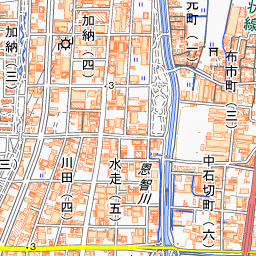
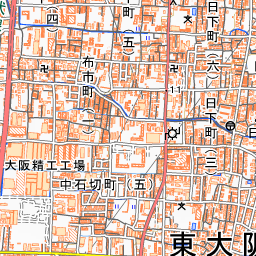
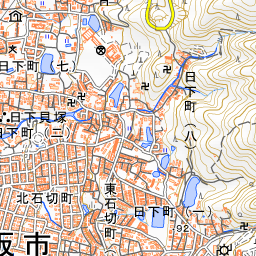
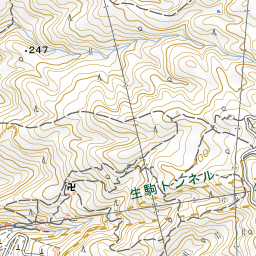
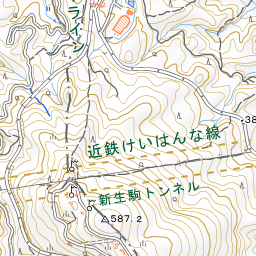
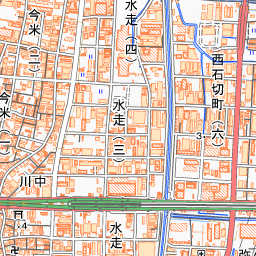
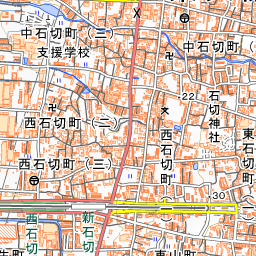
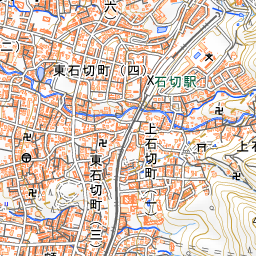
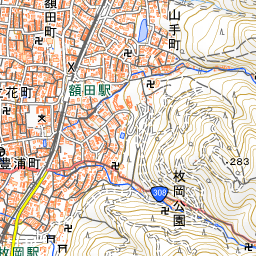
Spot location © OpenStreetMap contributors (ODbL)
Open in Google MapsGuides that include this spot (1)
Use asobot while you walk
- See where you are on the map and find spots nearby
- Listen to the guide's audio in course order, one after another (with subtitles)
- Walk to the next spot while following the map
Open on your phone
Scan to open this spot in asobot on your phone.