 ✨ AI Generated
Daian-ji Temple
Japanese: 大安寺
Nara City, Nara
This information was written by AI and may contain mistakes. Please check official sources for opening hours, fees, and other details before you go.
Found a mistake? Let us know with “✏️ Something's wrong” on this spot's screen in asobot →
🎧 Audio guide(1:07)
In short
Daian-ji Temple is one of the Seven Great Temples of Nanto (Nara), said to have originated from Kumagori Dojo founded by Prince Shotoku. During the Nara period, it was a major temple where many scholar-monks and foreign monks resided. Today, it is known as a temple for warding off cancer and preserves Buddhist statues from the Tenpyo era.
- Tenpyo Buddhist Statues: Nine Tenpyo statues that escaped destruction during the major earthquake of 1596 survive to this day.
- Sasa-zake for Warding off Cancer: The Sasa-zake Festivals on January 23 and June 23 draw crowds of over 10,000 worshippers.
- Ruins of the Seven-Storied Pagodas: Two seven-storied pagodas once stood on the east and west sides; the remnants at the sites include a central pillar foundation stone.
History and Highlights
Daian-ji Temple belongs to the Koyasan Shingon sect of Buddhism, and its principal image is the Eleven-headed Kannon. It is counted among the Seven Great Temples of Nanto. According to the temple's history, it began as Kumagori Dojo, built by Prince Shotoku in Heguri-gun, and changed its name and location through Kudara-no-Odera Temple, Takechi-no-Odera Temple, and Daikandai-ji Temple, before moving to Heijo-kyo and becoming Daian-ji Temple. The temple considers itself to be Japan's first state-established temple.
Full-scale construction in Heijo-kyo is believed to have taken place from 729 onward, supervised by the monk Doji upon his return from Tang China. During its peak, as many as 887 monks resided here, and it functioned much like a comprehensive Buddhist university where the Six Sects of Nanto were studied together. Foreign monks also lived at Daian-ji Temple and spent the rest of their lives in Japan, including Bodhisena from India, Daoxuan from Tang China, and Buttetsu from Linyi (present-day Vietnam).
Later, the temple declined due to fires such as one in 1017, and suffered a decisive blow during the major earthquake of 1596. Even so, nine Tenpyo-era statues escaped destruction and have been handed down to the present day. In 1882, a small hall and living quarters were constructed, marking the first step toward restoration. The current temple grounds are about one-twenty-fifth the size of their peak, making it the smallest among the Seven Great Temples of Nanto.
Key Viewing and Experience Points
- Standing Statue of Eleven-headed Kannon: The principal image enshrined in the center of the main hall, worshipped by many as a protector against cancer. Carved from a single block of wood (ichiboku-zukuri) in the Nara period, it measures 190.5 centimeters in height. It is usually hidden from public view and is specially unveiled each year from October to November. Note the elaborate and magnificent carving of the chest ornament known as yoraku.
- Statues in Sangoden and Inanaki-do: The Sangoden repository houses statues such as the Standing Yoryu Kannon and the Standing Four Heavenly Kings. The Yoryu Kannon features large, upward-slanted eyes and an open mouth, giving it an expression of quiet indignation. The Bato Kannon in the Inanaki-do hall is a hidden image unveiled only in March.
- Sasa-zake Festivals: During the Konin-e on January 23, "cancer-warding sasa-zake" (sake served in green bamboo cups) is offered, referencing an anecdote in which Emperor Kanmu held a memorial service at Daian-ji Temple on the first anniversary of the passing of the former Emperor Konin. Sasa-zake is also served all day on June 23, the day of the bamboo memorial service (Take Kuyo). These twice-yearly Sasa-zake Festivals are bustling with over 10,000 worshippers.
Walking Tips
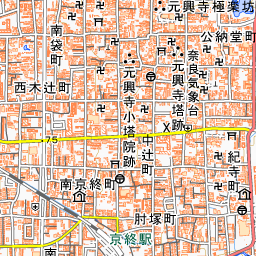
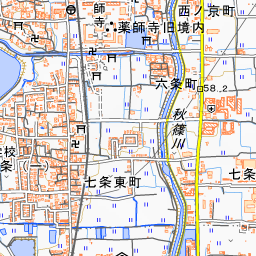
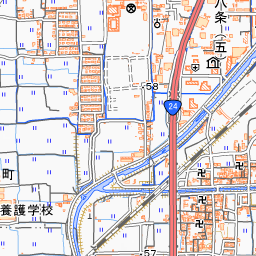
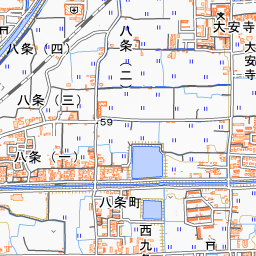
Take a bus bound for Daian-ji from JR Nara Station or Kintetsu-Nara Station, get off at the "Daianji" bus stop, and walk for about 10 minutes. During the Nara period, two seven-storied pagodas stood to the south of the Nandaimon gate, one to the east and one to the west. Today, the earthen platform and foundation stones remain at the East Pagoda site, and the central pillar foundation stone remains at the West Pagoda site. The Daian-ji Pagoda Sites were designated as a historic site in 1921, the first such designation in Nara Prefecture. Naramachi is located approximately 1.8 kilometers to the northeast.
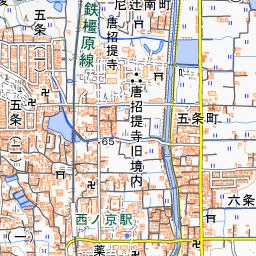
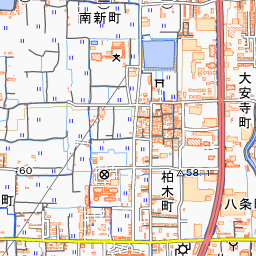
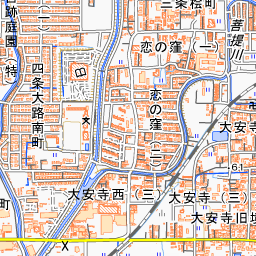
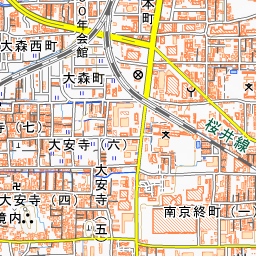
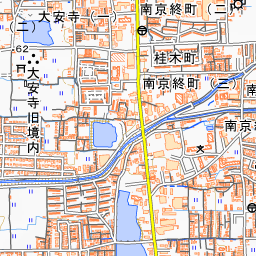
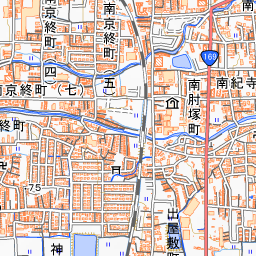

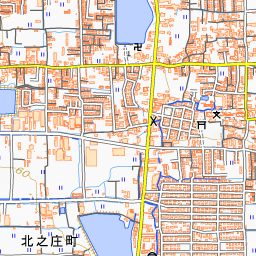
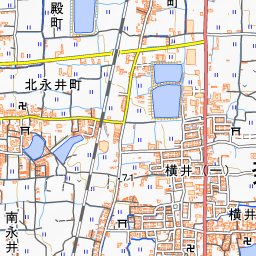
Spot location © OpenStreetMap contributors (ODbL)
Open in Google MapsUse asobot while you walk
- See where you are on the map and find spots nearby
- Listen to the guide's audio in course order, one after another (with subtitles)
- Walk to the next spot while following the map
Open on your phone
Scan to open this spot in asobot on your phone.