 ✨ AI Generated
Kurumazaki-jinja Shrine
Japanese: 車折神社
Ukyo Ward, Kyoto
This information was written by AI and may contain mistakes. Please check official sources for opening hours, fees, and other details before you go.
Found a mistake? Let us know with “✏️ Something's wrong” on this spot's screen in asobot →
🎧 Audio guide(1:04)
In short
A shrine dedicated to Kiyohara no Yorinari, a Confucian scholar of the late Heian period. It came to be called Kurumazaki-jinja Shrine because, when Emperor Go-Saga went out, the thill of his ox cart broke in front of the shrine. In addition to academic success and passing exams, it draws faith from across the country as a deity that safeguards "not breaking promises."
- Geino-jinja Shrine: An auxiliary shrine within the grounds enshrining Ame-no-Uzume no Mikoto, who is considered the ancestral deity of performing arts and fine arts. Over 4,000 vermilion-painted fence slats (tamagaki) inscribed with stage names and other names stand side by side
- Kinen-shinseki: Visitors receive an amulet containing a stone and pray for their wish. Once the wish comes true, they dedicate a stone inscribed with words of gratitude before the main hall
- Kiyome no Yashiro: An auxiliary shrine within the grounds, where visitors are guided to pray at the very start of their worship to cleanse away bad fortune and negative karma
History and Highlights
Kurumazaki-jinja Shrine is a shrine dedicated to Kiyohara no Yorinari, a Confucian scholar of the late Heian period. Yorinari served in the post of Daigeki (Senior Secretary of the Grand Council of State) for 24 years and was renowned for his scholarly knowledge and practical administrative ability. In his later years, Kujo Kanezane consulted him on political matters and praised him, saying, "His talent is truly divine and worthy of deep reverence." When he passed away in 1189 (the fifth year of the Bunji era), he was buried on this land, which was a territory of the Kiyohara clan, where a mausoleum was established, and eventually a Buddhist temple named Hoju-in was founded, taking its name from his posthumous Buddhist name.
Because Yorinari was fond of cherry blossoms, many cherry trees were planted around the mausoleum, and it was initially called "Sakura no Miya" (Shrine of Cherry Blossoms). Later, when Emperor Go-Saga visited the Oi River in Arashiyama, the thill (nagae) of his ox cart broke in front of the shrine; as a result, he bestowed upon it the divine title "Kurumazaki Daimyojin" and the court rank of "Shoichii" (Senior First Rank), and it came to be called Kurumazaki-jinja Shrine. In addition to academic success and passing exams, it is revered as a deity that safeguards "not breaking promises," drawing faith from people across the nation who pray for business prosperity, good financial luck, and favorable matches.
Viewing and Experience Highlights
- Geino-jinja Shrine: This auxiliary shrine within the grounds was founded in 1957 (Showa 32) by enshrining a divided spirit of Ame-no-Uzume no Mikoto, who is considered the ancestral deity of performing arts and fine arts. Over 4,000 vermilion-painted fence slats (tamagaki) inscribed with stage names, pen names, and theatrical troupe names have been dedicated here, creating a striking scene as they stand side by side.
- Kinen-shinseki: Visitors receive an amulet containing a stone that has been purified by a Shinto priest, pray for their wish before the main hall, and once the wish comes true, they write words of gratitude on a stone picked up at home or from the sea, a river, or a mountain, and dedicate it before the main hall. In connection with the "Kurumazaki Stone" that gave the shrine its name, this shrine possesses a deep reverence for stones.
- Kiyome no Yashiro: An auxiliary shrine located beside the stone torii gate near the entrance to the main hall from the rear approach, featuring a cone-shaped sand mound (tatesuna) modeled after a stone. Visitors are guided to pray here at the very start of their worship to cleanse away bad fortune and negative karma.
Tips for Strolling
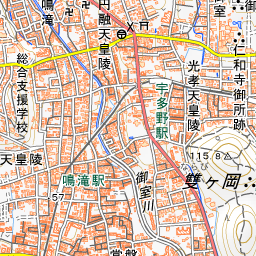
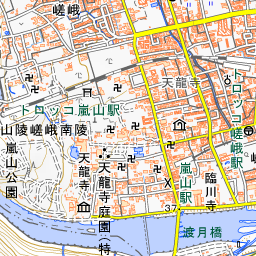
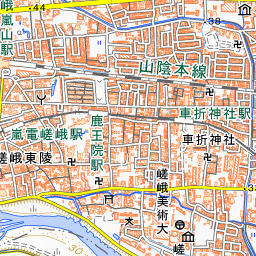
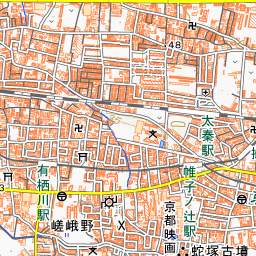
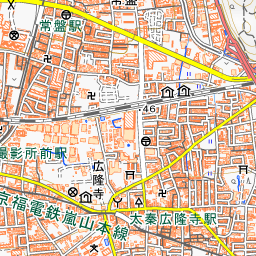
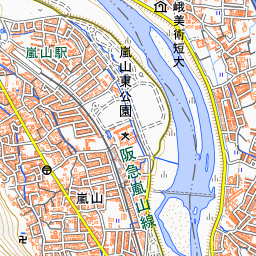
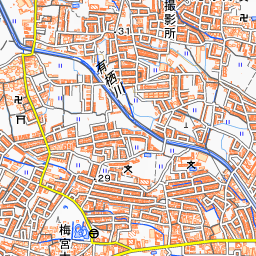
The Randen Kurumazaki-jinja Station is located right in front of the entrance to the rear approach. The main approach leads from the entrance on Sanjo-dori Street to the main hall. Walking westward, Torokko Saga Station is about 800 meters away, and Togetsukyo Bridge is about 1.1 kilometers away, making it easy to stop by on the way to Arashiyama. Koryu-ji Temple is located about 1.6 kilometers to the east.

Spot location © OpenStreetMap contributors (ODbL)
Open in Google MapsGuides that include this spot (1)
Use asobot while you walk
- See where you are on the map and find spots nearby
- Listen to the guide's audio in course order, one after another (with subtitles)
- Walk to the next spot while following the map
Open on your phone
Scan to open this spot in asobot on your phone.