 ✨ AI Generated
Hotel Chinzanso Tokyo
Japanese: ホテル椿山荘東京
Bunkyo City, Tokyo
This information was written by AI and may contain mistakes. Please check official sources for opening hours, fees, and other details before you go.
Found a mistake? Let us know with “✏️ Something's wrong” on this spot's screen in asobot →
🎧 Audio guide(1:07)
In short
Hotel Chinzanso Tokyo is a hotel located in Sekiguchi, Bunkyo Ward, known for the garden established by Yamagata Aritomo. During the Nanboku-cho period, camellias reportedly grew wild here and the area seemed to be called "Tsubakiyama" (Camellia Mountain). In 1878 (Meiji 11), Yamagata purchased the land and named it "Chinzanso." Those permitted to enter the garden are guests staying at the hotel and visitors using on-site facilities such as its restaurants or shops.
- Three-story Pagoda "Entsukaku": The symbol of the garden and a Registered Tangible Cultural Property of Japan. It was relocated from a temple in Hiroshima Prefecture in 1925 (Taisho 14).
- Yusuichi Pond and Gojo Waterfall: The gourd-shaped Yusuichi Pond has been here since Yamagata's original landscaping. There is a walkway behind the Gojo Waterfall.
- Tokyo Sea of Clouds: A mist effect that spreads across the garden, described by the hotel as one of the largest of its kind in Japan.
History and Highlights
According to Edo-period regional gazetteers and other records, the area around Hotel Chinzanso Tokyo was a scenic spot where camellias grew wild around the Nanboku-cho period, seemingly known as "Tsubakiyama." For over four years starting in 1677, Matsuo Basho lived at the adjacent Sekiguchi Ryuge-an, which later became Sekiguchi Basho-an.
In 1878 (Meiji 11), the military officer and statesman Yamagata Aritomo purchased this land with his private funds, created a garden and residence, and named it "Chinzanso." Yamagata personally oversaw the overall layout and detailed design of the garden. Along with Murin-an in Kyoto and Koki-an in Odawara, it is counted as one of Yamagata's Three Famous Gardens. Some research also suggests that the garden was designed to recreate the topography of his hometown, Hagi.
In 1918 (Taisho 7), Baron Fujita Heitaro of the Fujita-gumi took over the estate. However, most of the residence and trees were lost in the air raids of 1945 (Showa 20). After the war, Ogawa Eiichi, founder of Fujita Kogyo, embarked on the reconstruction by relocating over 10,000 trees, and opened the garden restaurant "Chinzanso" in 1952 (Showa 27).
Points for Appreciation and Experiences
- Three-story Pagoda "Entsukaku": The symbol of the garden and a Registered Tangible Cultural Property of Japan. In 1925 (Taisho 14), Baron Fujita relocated it from Takamurayama Chikurin-ji Temple in Kamo District, Hiroshima Prefecture. While long believed to date from the late Muromachi period, a study during major renovations in 2010 (Heisei 22) revealed that structural members from around 1420 were used. According to the hotel's announcement, this pagoda, the Old Kan'ei-ji Temple Five-story Pagoda, and the Honmon-ji Temple Five-story Pagoda are the only historic pagodas remaining within Tokyo's wards.
- Pond, Waterfall, and Stone Buddhas: Yusuichi Pond is a gourd-shaped pond dating back to Yamagata's original design. From the pathway behind Gojo Waterfall, you can gaze out across the garden through the spray of water. About 20 of the Five Hundred Arhats statues, based on preliminary sketches by Ito Jakuchu, also stand in the garden. There is also a sacred chinquapin tree with an estimated age of about 500 years.
- Tokyo Sea of Clouds and the Four Seasons: The mist production "Tokyo Sea of Clouds," described by the hotel as one of the largest in Japan, began in 2020 (Reiwa 2). The morning and evening "Great Sea of Clouds" covers approximately three-quarters of the garden for about 10 minutes. There are about 2,300 camellias of roughly 100 varieties and about 100 cherry trees of roughly 20 varieties, and fireflies can typically be seen from mid-May to late June.
Walking Tips
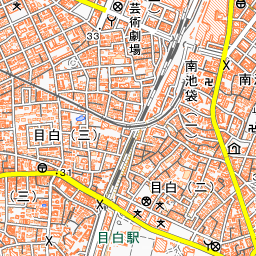
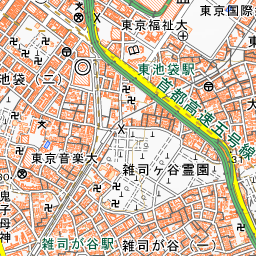
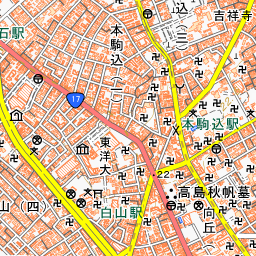
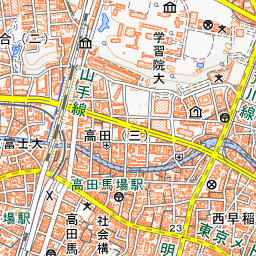
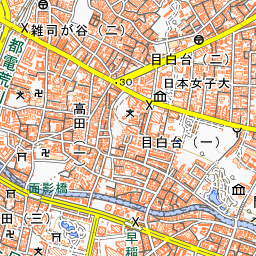
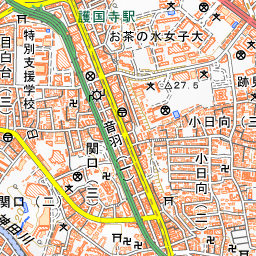
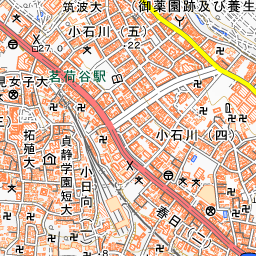
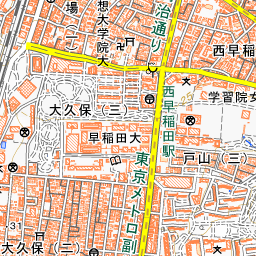
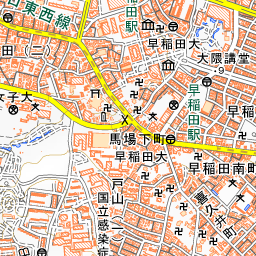
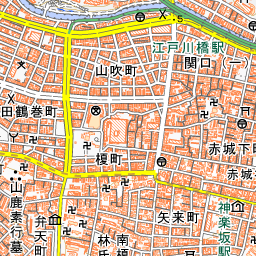
Access to the garden is combined with a stay at the hotel or the use of its restaurants or shops. Walking out from the garden entrance on the first floor of the hotel building, you will pass Yusuichi Pond and arrive at Gojo Waterfall. With your back to the waterfall, you can take in a panoramic view across the pond of the garden's greenery and the hotel building. Climbing the stairs from Yusuichi Pond brings you to the three-story pagoda. Along the path connecting Benkei Bridge and the ryotei restaurant stands the Chinzanso Monument engraved with Yamagata's sentiments, which concludes: "Will those who dwell here in later times also be people true to my wish, continuing to protect this nature and savoring this landscape?" The nearest station is Edogawabashi Station on the Tokyo Metro Yurakucho Line, approximately a 10-minute walk from Exit 1a. St. Mary's Cathedral, Tokyo is about 250 meters to the north, and the Eisei Bunko Museum is about 220 meters to the west-northwest.



Spot location © OpenStreetMap contributors (ODbL)
Open in Google MapsUse asobot while you walk
- See where you are on the map and find spots nearby
- Listen to the guide's audio in course order, one after another (with subtitles)
- Walk to the next spot while following the map
Open on your phone
Scan to open this spot in asobot on your phone.