
Chihaya Castle
Japanese: 千早城
Chihayaakasaka Village, Osaka
This information was written by AI and may contain mistakes. Please check official sources for opening hours, fees, and other details before you go.
Found a mistake? Let us know with “✏️ Something's wrong” on this spot's screen in asobot →
🎧 Audio guide(1:09)
In short
The site of a mountain castle at the trailhead of Mt. Kongo in Chihayaakasaka Village. In 1332 (Genko 2), Kusunoki Masashige built it along with Kusunoki Castle (Kami-Akasaka Castle) to serve as a central mountain stronghold. It is known as a castle that did not fall even when attacked by a massive army of the Kamakura Shogunate in January 1333, and the battle is depicted in detail in the Taiheiki. In 1392, Masashige's grandson Masakatsu was attacked, and the castle fell and was abandoned. It was designated a National Historic Site in 1934 (Showa 9), and has also been selected as one of Japan's Top 100 Castles.
- Long Stone Stairway and the Fourth Bailey: The flat open area at the top of the long stone stairway is a bailey (kuruwa) known as the "Fourth Bailey." It is large in scale, and part of the remains believed to be foundation stones can be seen
- Chihaya Shrine in Ninomaru: It is said to have originated when Hachiman Daibosatsu was enshrined as the castle's guardian deity upon its construction, with Kusunoki Masashige and Masatsura also later enshrined alongside. It is colloquially known as "Nanko-san." The bailey behind the shrine is considered the honmaru (main bailey), but entry is not permitted
- Remains of the Mountain Castle: In addition to the remains of five baileys, dry moats and trench cuts (horikiri) remain, and you can trace the form of a Nanboku-cho period mountain castle that took advantage of the mountain terrain
History and Highlights
Chihaya Castle is the site of a mountain castle located at the trailhead of Mt. Kongo in Chihayaakasaka Village. In 1332, Kusunoki Masashige built it along with Kusunoki Castle (Kami-Akasaka Castle) to serve as a central mountain stronghold. Overlooking the settlement of Chihaya, the castle stands on a small peak at the end of a ridge extending westward from Mt. Kongo, surrounded on three sides by deep valleys. Only the rear of the castle connects to the summit via a narrow mountain path, which serves today as the hiking trail up Mt. Kongo.
In January 1333, the Kamakura Shogunate dispatched a massive army against this castle. The roughly 1,000 defenders tied down and outmaneuvered the large force with a variety of clever stratagems, and Chihaya Castle is known as a fortress that did not fall despite an intense siege. The battle is depicted in detail in the historical chronicle Taiheiki. After Masashige, the castle was passed down to Masatsura, Masanori, and Masakatsu. However, in 1392, Masashige's grandson Masakatsu was attacked by Hatakeyama Motokuni; the castle fell and was subsequently abandoned.
In 1934, the castle ruins were designated a National Historic Site along with the Kusunoki Castle Ruins and the Akasaka Castle Ruins, and it has also been selected as one of Japan's Top 100 Castles.
Highlights and Experience
- Long Stone Stairway and the Fourth Bailey: A long stone stairway continues upward from around the Chihaya police box. The flat open area at the top of the climb is a bailey (kuruwa) known as the "Fourth Bailey". The Fourth Bailey is large in scale, and part of the remains believed to be foundation stones can be seen.
- Chihaya Shrine in Ninomaru: Chihaya Shrine stands in the Ninomaru (second bailey). It is said to have originated when Hachiman Daibosatsu was enshrined as the castle's guardian deity upon its construction, with Kusunoki Masashige and Masatsura also later enshrined alongside. It is colloquially known as "Nanko-san." The bailey behind the shrine is considered the honmaru (main bailey), but entry to the honmaru is not permitted.
- Remains of the Mountain Castle: In addition to the remains of five baileys, dry moats (karabori) and trench cuts (horikiri) remain at the castle site. Visitors can trace the structure of a Nanboku-cho period mountain castle that took advantage of the natural mountain terrain.
Walking Tips
To reach the castle, take a bus from Kawachi-Nagano Station and get off at Nankai Bus's "Kongo Tozanguchi (Chihaya Hondo-guchi)" stop. The castle ruins lie along the trail climbing Mt. Kongo. The hiking course guided by Osaka Prefecture also heads to Mt. Kongo via the Chihaya Castle ruins and the Chihaya Hondo Path from the Kongo Tozanguchi bus stop. It is approximately 2.0 km eastward to near the summit of Mt. Kongo. Within the village, there are other locations associated with Kusunoki Masashige, such as the Shimo-Akasaka Castle Ruins, the Kami-Akasaka Castle Ruins, and the Birthplace of Nanko. In Kawachi-Nagano City, approximately 5.4 km to the west-northwest, stands Kanshin-ji Temple, which is also associated with Masashige.
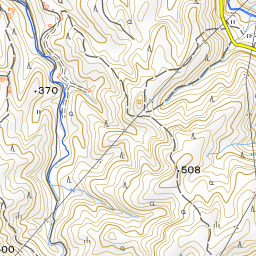
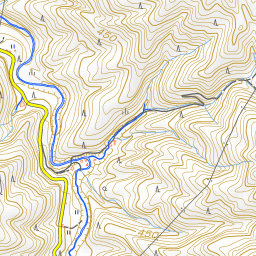
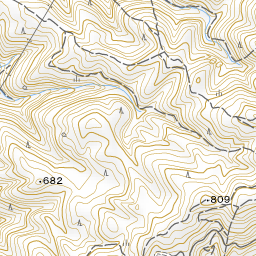
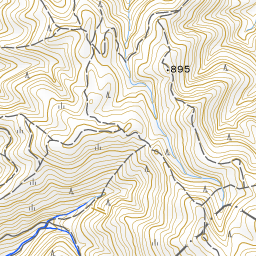
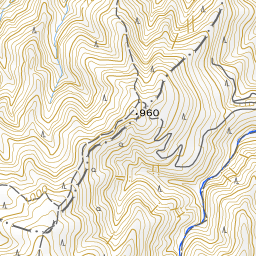
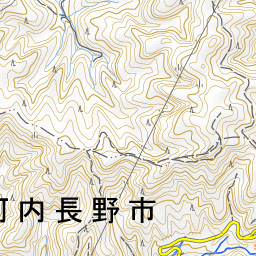
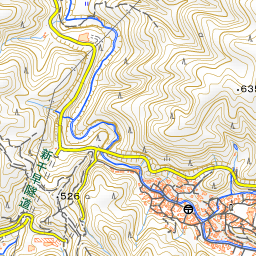
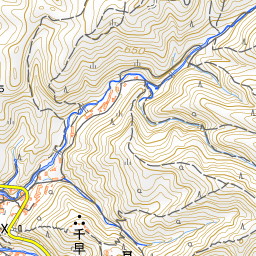
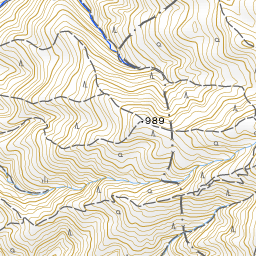
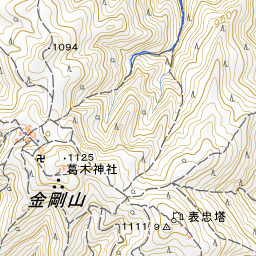
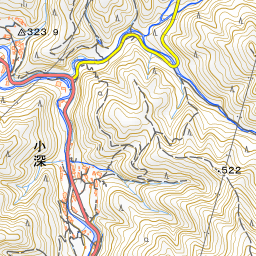

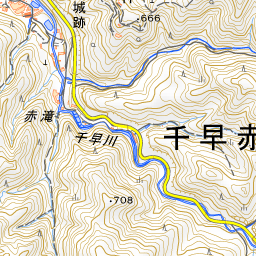
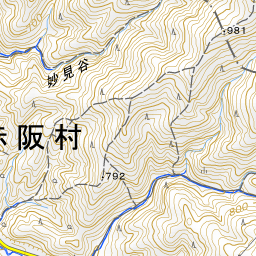
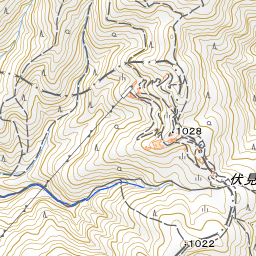
Spot location © OpenStreetMap contributors (ODbL)
Open in Google MapsGuides that include this spot (1)
Use asobot while you walk
- See where you are on the map and find spots nearby
- Listen to the guide's audio in course order, one after another (with subtitles)
- Walk to the next spot while following the map
Open on your phone
Scan to open this spot in asobot on your phone.