 ✨ AI Generated
Ryosen-ji Temple
Japanese: 霊山寺
Nara City, Nara
This information was written by AI and may contain mistakes. Please check official sources for opening hours, fees, and other details before you go.
Found a mistake? Let us know with “✏️ Something's wrong” on this spot's screen in asobot →
🎧 Audio guide(1:07)
In short
Ryosen-ji Temple, located in Nakamachi, Nara City, is known for its National Treasure main hall and a rose garden with 2,000 bushes across 200 varieties. It is said to have been founded in the Nara period by Gyoki on the order of Emperor Shomu, and in 736, the Indian monk Bodhisena gave the temple its name. Within the same grounds, visitors can enjoy both Kamakura-period architecture and a Showa-era garden.
- National Treasure Main Hall: A Kamakura-period building whose construction year is known from a ridgepole plaque (munafuda) dating to 1283 (Koan 6).
- Three-Story Pagoda: An Important Cultural Property with a total height of 17 meters, estimated to have been built around 1283–1284.
- Rose Garden: A 1,200-tsubo (approx. 4,000 m²) garden opened in 1957 (Showa 32), themed on the cycle of human life (reincarnation).
History and Highlights
The temple's origins trace back to the Asuka period. It is handed down that Ono no Tomihito, a Minister of the Right (Udaijin), lived in retirement on Mount Tomi, built a medicinal herb bathhouse (yakuso yuya), and enshrined the Yakushi Triad to heal people's illnesses. Ono no Tomihito was called Hanataka Sennin (the long-nosed hermit). The Yakushi Bathhouse on the grounds originates from this history.
During the Nara period, it is said that Gyoki founded the temple on the order of Emperor Shomu. In 736, the Indian monk Bodhisena is said to have named it Ryosen-ji Temple because the terrain of Mount Tomi resembled Mount Ryojusen (Vulture Peak) in India. Bodhisena is known as the monk who served as the officiating priest for the eye-opening ceremony of the Great Buddha at Todai-ji Temple.
In the Heian period, Kobo Daishi enshrined Daibenzaiten in the inner sanctuary (Okunoin), making it a temple where both the Hosso Sect and Shingon Sect were studied. During the Kamakura period, the temple received deep devotion from the Hojo clan, and the main hall was reconstructed in 1283.
During the anti-Buddhist movement (haibutsu kishaku) of the Meiji period, the size of the temple precinct was reduced by half, and more than 200 Buddhist statues were burned. Even so, it still preserves six buildings designated as National Treasures and Important Cultural Properties, as well as over 30 Buddhist statues and treasures designated as Important Cultural Properties.
Viewing and Experiencing Points
- Main Hall: A National Treasure featuring an irimoya-zukuri (hip-and-gable) roof with hongawarabuki (traditional curved and flat tiles). Along with the main hall of nearby Chokyu-ji Temple, it is regarded as an excellent example of Japanese-style (wayo) Buddhist hall architecture from the Kamakura period. Look up at the bracket complexes of the front step-canopy (gohai); a medicine jar is carved into the kaerumata (frog-leg strut). The principal image, the Yakushi Triad, is a hidden Buddha (hibutsu).
- Three-Story Pagoda and Bell Tower: The three-story pagoda has a total height of 17 meters and is a pure Japanese-style tower from the Kamakura period, estimated to have been erected around 1283–1284. Inside are richly colored murals said to be painted by Kose no Kanaoka. The bell tower is said to have been founded in the early Muromachi period and displays an elegant appearance. Both are Important Cultural Properties.
- Rose Garden: A 1,200-tsubo garden opened in 1957, where 2,000 bushes of 200 varieties of roses bloom. The theme is the cycle of human life. The head priest at the time, who had experienced internment in Siberia, created it wishing for world peace. Roses were planted following the custom of planting thorny trees in the northeast, which corresponds to the demon's gate (kimon) of the main hall. The entrance represents the world of children, the middle area with a fountain represents the world of adults, and the back section represents the world of the elderly reflecting on life.
Walking Tips
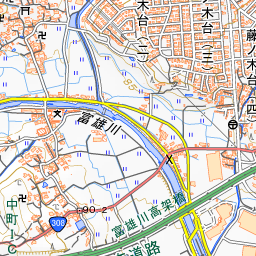
It is an 8-minute bus ride from Kintetsu Tomio Station, and a short walk after getting off at "Ryosenji." At the entrance stands a vermilion large torii gate (o-torii) dedicated to Daibenzaiten. The reason there is a torii gate at a Buddhist temple is the presence of Benzaiten, who was enshrined by Kobo Daishi.
Roses bloom from early May to mid-June and from mid-October to early November. The public unveiling of the hidden Buddha takes place from October 23 to the second Sunday of November, and on November 3, the interior murals of the three-story pagoda are specially opened to the public. During this autumn period, the rose season coincides with the special viewing of the hidden Buddha.
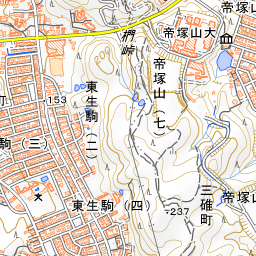
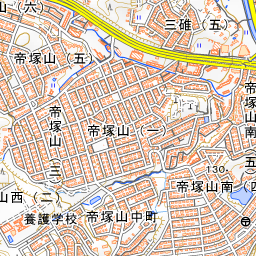
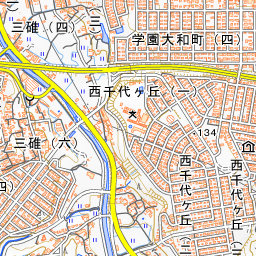
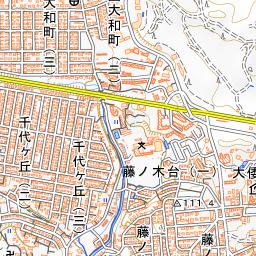
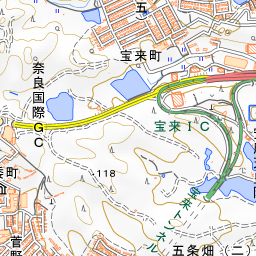
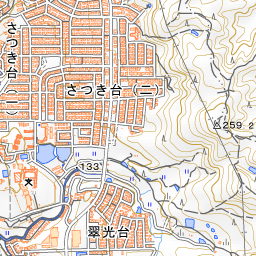
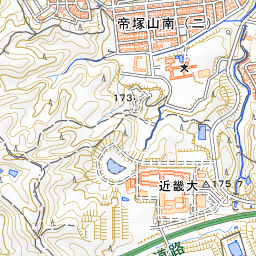
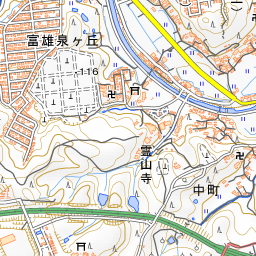

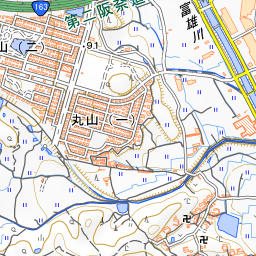
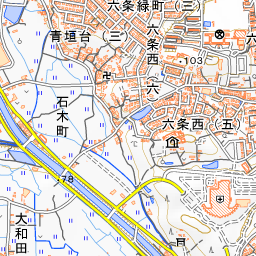
Spot location © OpenStreetMap contributors (ODbL)
Open in Google MapsGuides that include this spot (1)
Use asobot while you walk
- See where you are on the map and find spots nearby
- Listen to the guide's audio in course order, one after another (with subtitles)
- Walk to the next spot while following the map
Open on your phone
Scan to open this spot in asobot on your phone.