 ✨ AI Generated
Kinpu-jinja Shrine
Japanese: 金峯神社
Yoshino Town, Nara
This information was written by AI and may contain mistakes. Please check official sources for opening hours, fees, and other details before you go.
Found a mistake? Let us know with “✏️ Something's wrong” on this spot's screen in asobot →
🎧 Audio guide(1:03)
In short
Kinpu-jinja Shrine is an ancient shrine standing quietly in Oku-Senbon on Mt. Yoshino. It enshrines Kanayamahiko no Kami, the tutelary deity of Mt. Kinpu, an area stretching from Mt. Yoshino to Mt. Sanjogatake of Mt. Omine, and is a component asset of the World Heritage site "Sacred Sites and Pilgrimage Routes in the Kii Mountain Range." Ranked as a Myojin Taisha in the Engishiki, it has also been known as a Shugendo ascetic training ground since the Middle Ages.
- Guardian Deity of Gold: Before the separation of Shinto and Buddhism, it was called Konsho Myojin and was considered a guardian deity of gold mines.
- Yoshitsune's Hiding Pagoda: Just down from the shrine pavilion stands a pagoda where Minamoto no Yoshitsune is said to have hidden.
- Mountain Path to Saigyo-an Hermitage: Walking about 15 minutes along the mountain path from the shrine leads to Saigyo-an Hermitage.
History and Highlights
Kinpu-jinja Shrine is an ancient shrine standing quietly in Oku-Senbon on Mt. Yoshino. Mt. Kinpu refers to the entire area spanning from Mt. Yoshino to Mt. Sanjogatake of Mt. Omine. Kinpu-jinja Shrine enshrines Kanayamahiko no Kami, the local deity of that land. It is a Myojin Taisha listed in the Engishiki and serves as a component asset of the World Heritage site "Sacred Sites and Pilgrimage Routes in the Kii Mountain Range."
Before the separation of Shinto and Buddhism in the early Meiji period, it was referred to as Konsho Myojin. It is considered a guardian deity of gold mines, and is also called a guardian deity of gold. Many legends regarding gold remain on Mt. Kinpu. The entire mountain is said to be made of gold, and it is also passed down that gold was sought here when casting the Great Buddha.
From the Middle Ages onward, it became known as a Shugendo training site. Situated along the Omine Okugake-michi trail that extends from Yoshino across Mt. Omine to Kumano Hongu, it had a nyonin kekkai (a religious boundary prohibiting women) in front of this shrine at the end of the Heian period.
Fujiwara no Michinaga also made a pilgrimage to Mt. Kinpu. The gilded bronze sutra container that Michinaga buried in 1007 (Kanko 4) was unearthed during the Edo period. Known as the "Gilt Bronze Sutra Container of Fujiwara no Michinaga," it is designated as a National Treasure and kept as a treasure of Kinpu-jinja Shrine.
Highlights for Visitors
- Yoshitsune's Hiding Pagoda: A short walk down from the shrine grounds brings you to Yoshitsune's Hiding Pagoda, where Minamoto no Yoshitsune is said to have hidden from his pursuers. This is said to have occurred in the eleventh month of 1185 (Bunji 1). From the story that Yoshitsune, surrounded by pursuers, kicked through the roof to escape, it is also called the Kenuke Pagoda ("kicked-through pagoda"). The current structure is a simple pagoda built in the hogyo-zukuri (pyramidal roof) style, rebuilt in the early Taisho era.
- The Path of Saigyo and Basho: A walk of about 15 minutes along the mountain path from the shrine brings you to Saigyo-an Hermitage, where the poet Saigyo built his retreat. Matsuo Basho, who admired Saigyo, also visited here. Basho wrote, "Entering about two cho (approx. 220 m) to the right from the Oku-no-in." This "Oku-no-in" refers to present-day Kinpu-jinja Shrine.
- Late Cherry Blossoms of Oku-Senbon: Mt. Yoshino is divided from the base to the mountain ridge into Shimo-Senbon, Naka-Senbon, Kami-Senbon, and Oku-Senbon. Oku-Senbon, located deepest in the mountain, blooms the latest. The area around Kinpu-jinja Shrine corresponds to Oku-Senbon and has a relatively quiet atmosphere.
Travel Tips
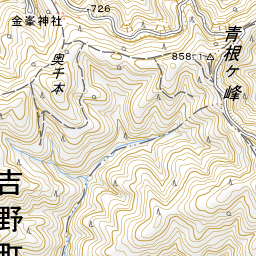
From Yoshinoyama Station on the ropeway to Oku-Senbon-guchi, it takes about 20 minutes by bus (which has periods of suspension). From Oku-Senbon-guchi, it is about a 5-minute walk. If walking, follow the road in front of Yoshino Mikumari-jinja Shrine southward for approximately 1.5 km. Walking a short distance toward Mt. Omine along the Omine Okugake-michi trail will lead to the former nyonin kekkai boundary.
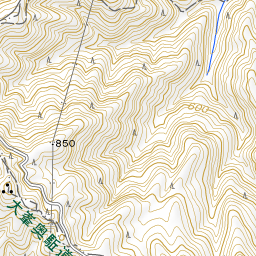


Spot location © OpenStreetMap contributors (ODbL)
Open in Google MapsGuides that include this spot (1)
Use asobot while you walk
- See where you are on the map and find spots nearby
- Listen to the guide's audio in course order, one after another (with subtitles)
- Walk to the next spot while following the map
Open on your phone
Scan to open this spot in asobot on your phone.