 ✨ AI Generated
Aki Kokubun-ji Temple
Japanese: 安芸国分寺
Higashihiroshima, Hiroshima
This information was written by AI and may contain mistakes. Please check official sources for opening hours, fees, and other details before you go.
Found a mistake? Let us know with “✏️ Something's wrong” on this spot's screen in asobot →
🎧 Audio guide(1:05)
In short
Aki Kokubun-ji Temple carries on the lineage of the provincial temple (kokubun-ji) of Aki Province, built in the Nara period. The present temple belongs to the Omuro branch of the Shingon sect, with Yakushi Nyorai as its principal image. In 741, Emperor Shomu ordered the construction of a kokubun-ji in every province, and in Aki Province, a temple was built in Saijo. The site of the ancient temple is a National Historic Site under the name "Aki Kokubun-ji Temple Ruins."
- Aki Kokubun-ji Historical Park: The temple ruins have been developed into a historical park, where the foundations of the lecture hall and monks' quarters have been reconstructed. The location of a building known as the "Kokushi-in" was identified for the first time in Japan during excavations of Aki Kokubun-ji Temple
- Pagoda remains: Foundation stones are arranged across the pagoda base, about 16 meters on each side. The pagoda was destroyed by fire near the end of the Heian period and was never rebuilt
- The temple's Nio-mon gate and Buddhist statues: The Nio-mon gate of the present temple was built in 1547 and, together with the Goma-do hall from the late Edo period, is an Important Cultural Property of Higashihiroshima City
History and Highlights
Aki Kokubun-ji Temple is a temple that carries on the lineage of the provincial temple (kokubun-ji) of Aki Province, originally built during the Nara period. In 741 (Tenpyo 13), Emperor Shomu ordered the construction of a kokubun-ji in every province, and in Aki Province, a temple was built in Saijo. The present temple belongs to the Omuro branch of the Shingon sect, with Yakushi Nyorai (the Medicine Buddha) as its principal image.
The site of the ancient temple is designated as a National Historic Site under the name "Aki Kokubun-ji Temple Ruins." In 1934 (Showa 9), an excavation of a mound reputed by tradition to contain Emperor Shomu's tooth uncovered the foundation stones of a pagoda, confirming that the kokubun-ji was located here. Subsequent excavations revealed that the gate, the Kon-do (main hall), and the Ko-do (lecture hall) were aligned in a single north-south axis. In addition, an excavated wooden tablet (mokkan) inscribed with the date 750 (Tenpyo-shoho 2) showed that temple construction was underway and Buddhist ceremonies were being performed around this time. The excavated artifacts, including this wooden tablet, are designated as Important Cultural Properties of Japan.
Viewing and Experience Highlights
- Aki Kokubun-ji Historical Park: The temple ruins have been developed into a historical park, where the foundations of the lecture hall and monks' quarters (sobo) have been reconstructed. A building known as the "Kokushi-in" was identified here for the first time nationwide during excavations of Aki Kokubun-ji Temple.
- Pagoda Remains: The pagoda base measures approximately 16 meters square, with foundation stones arranged across it. The pagoda was destroyed by fire near the end of the Heian period and was never rebuilt.
- The Temple's Nio-mon Gate and Buddhist Statues: The Nio-mon gate of the present temple was built in 1547 and, together with the Goma-do hall from the late Edo period, is designated as an Important Cultural Property of Higashihiroshima City. The principal image, a seated statue of Yakushi Nyorai, is designated as an Important Cultural Property of Higashihiroshima City, while another seated statue of Yakushi Nyorai from the late Heian period in the Yakushi-do hall is designated as an Important Cultural Property of Hiroshima Prefecture.
Tips for Exploring
The temple and historical park are about a 10-minute walk from JR Saijo Station. Since they are located in an urban area, you can easily combine your visit on foot with Saijo Sakagura-dori Street and Mitsujo Kofun Burial Mound. Trace the long history of Saijo in a single day, from the Kofun period to the Nara-period provincial temple and into the historic streets of the sake-brewing town.
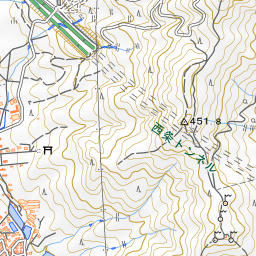
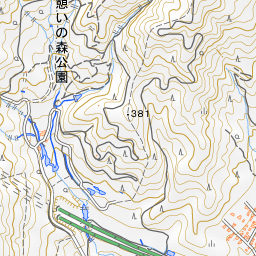
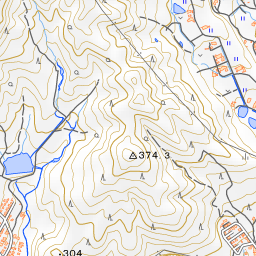
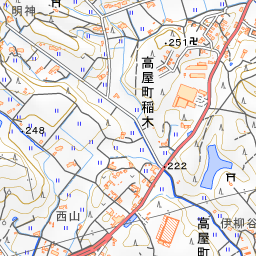
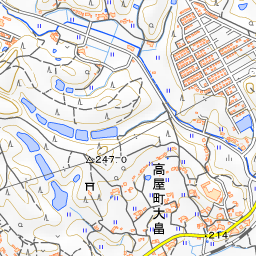


Spot location © OpenStreetMap contributors (ODbL)
Open in Google MapsGuides that include this spot (1)
Use asobot while you walk
- See where you are on the map and find spots nearby
- Listen to the guide's audio in course order, one after another (with subtitles)
- Walk to the next spot while following the map
Open on your phone
Scan to open this spot in asobot on your phone.