 ✨ AI Generated
Gansen-ji Temple
Japanese: 岩船寺
Kizugawa, Kyoto
This information was written by AI and may contain mistakes. Please check official sources for opening hours, fees, and other details before you go.
Found a mistake? Let us know with “✏️ Something's wrong” on this spot's screen in asobot →
🎧 Audio guide(0:58)
In short
Gansen-ji Temple stands in the village of Tono, on the border of Kyoto and Nara Prefectures. According to the temple's records, its origins are said to date back to 729, when Emperor Shomu had Gyoki build an Amida-do Hall.
- The vermilion three-story pagoda and its corner demons: The pagoda, a National Important Cultural Property, bears an inscription from 1442. The humorous carved wooden corner demons supporting the rafters at its four corners are also a highlight
- A principal image from the Heian period: A seated statue of Amida Nyorai nearly 3 meters tall, thought to have been made in 946, and an Important Cultural Property
- Hydrangeas: About 5,000 plants of more than 30 varieties bloom from early June to early July
History and Highlights
Gansen-ji Temple is a temple located in Tono, near the border between Kyoto and Nara prefectures. Its mountain name (sangō) is Koyuzan, and its temple cloister name (ingō) is Hoon-in. The place name Tono is said to derive from "Tōno" (literally, ridge of pagodas), referencing how numerous temples once stood here, with three-story pagodas and thirteen-story stone pagodas lining the ridges.
According to the temple's records, its origins are said to date back to 729 (Tenpyō 1), when Emperor Shomu ordered Gyoki to build an Amida-do Hall, after which Kobo Daishi and his nephew Chisen founded Hoon-in. At its peak, it boasted 39 sub-temples, but many were lost to the flames of war in 1221 (Jōkyū 3). From the Kamakura period through the end of the Edo period, it served along with Joruri-ji Temple as a branch temple of the Ichijo-in cloister of Kofuku-ji Temple in Nara, before becoming a branch temple of Saidai-ji Temple of the Shingon Ritsu sect in 1881 (Meiji 14).
Viewing and Experience Highlights
- Heian-Period Principal Image, Seated Amida Nyorai: The principal image is a seated statue nearly 3 meters tall—a size known as joroku—and is designated an Important Cultural Property. Based on an ink inscription found inside the statue, it is believed to have been made in 946 (Tengyō 9) and is considered a representative sculpture of the mid-10th century. The main hall also houses a statue of Fugen Bosatsu riding an elephant, an Important Cultural Property originally enshrined in the three-story pagoda. Standing statues of the Four Heavenly Kings at the four corners of the Shumidan altar were created in 1293 (Shōō 6) and are Kyoto Prefecture-designated cultural properties.
- Vermilion Three-Story Pagoda and Sumioni: On an elevated area straight ahead beyond the Sanmon gate stands a vermilion-lacquered three-story pagoda. It bears an inscription from 1442 (Kakitsu 2) and is an Important Cultural Property. Another highlight is the humorous wooden carved "sumioni" (corner demons) supporting the rafters at the four corners; sumioni removed during major repairs in the Showa period can be viewed inside the main hall.
- Kamakura-Period Stone Structures: The thirteen-story stone pagoda near Aji Pond, a stone chamber enshrining Fudo Myoo bearing an inscription from 1312 (Ōchō 2), and a gorinto (five-ring pagoda) said to be the grave of a Todai-ji temple head (betto) are all designated Important Cultural Properties.
Walking Tips
The temple grounds feature more than 30 varieties and about 5,000 hydrangea bushes, which bloom from early June to early July. It is also the 15th temple on the Kansai Hana-no-Tera Temple 25 Pilgrimage. From JR Kamo Station, it takes about 16 minutes by Kizugawa City community bus, getting off at "Gansen-ji" right by the temple. There is no parking lot within the grounds, so private paid parking lots nearby are used. Along the historic trail connecting the temple to Joruri-ji Temple, numerous cliff-carved Buddhas carved into natural stone remain, making it a popular hiking route for visiting stone Buddhas. The Iwafune Amida Triad Cliff Buddha (Warai-botoke) is located about 240 meters west-southwest, and Joruri-ji Temple is located about 1.3 kilometers away.
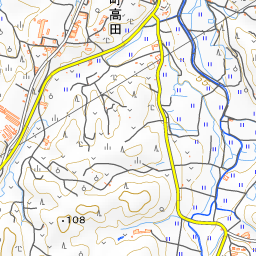
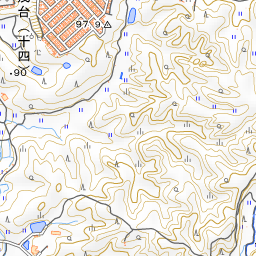


Spot location © OpenStreetMap contributors (ODbL)
Open in Google MapsGuides that include this spot (1)
Use asobot while you walk
- See where you are on the map and find spots nearby
- Listen to the guide's audio in course order, one after another (with subtitles)
- Walk to the next spot while following the map
Open on your phone
Scan to open this spot in asobot on your phone.