 ✨ AI Generated
Takahata Fudoson Temple
Japanese: 高幡不動尊
Hino, Tokyo
This information was written by AI and may contain mistakes. Please check official sources for opening hours, fees, and other details before you go.
Found a mistake? Let us know with “✏️ Something's wrong” on this spot's screen in asobot →
🎧 Audio guide(1:07)
In short
Takahata Fudoson Temple, formally known as Takahatasan Myoo-in Kongo-ji Temple, is an extraordinary head temple (Bekkakuhonzan) of the Chisan school of Shingon Buddhism. Since ancient times, it has been counted as one of the Three Great Fudo of the Kanto region, and it is also known as the family temple (bodaiji) of Hijikata Toshizo of the Shinsengumi. The Fudo-do hall, which was relocated and rebuilt at its present site in 1342, along with the Niomon Gate built shortly thereafter, are designated as Important Cultural Properties of Japan.
- Fudo-do: Described by the temple as the oldest cultural property building in Tokyo, this hall is characterized by the strong curve of its roof and deep eaves.
- Fudo Triad in the Okuden: Centered around a joroku (approx. 2.8-meter) seated statue of Fudo Myo-o, these three statues are designated as Important Cultural Properties of Japan.
- Bronze Statue of Hijikata Toshizo and the Monument to the Two Heroes: Within the precincts stand a statue of Toshizo and a stone monument honoring Kondo Isami and Toshizo.
History and Highlights
Takahata Fudoson Temple is formally named Takahatasan Myoo-in Kongo-ji Temple. It is an extraordinary head temple of the Chisan school of Shingon Buddhism and has been regarded since ancient times as one of the Three Great Fudo of the Kanto region.
Its origins are said to trace back to before the Taiho era, or to the Nara period monk Gyoki. According to the temple's records, it began in the early Heian period when Jikaku Daishi Ennin designated this site as a sacred sanctuary for the protection of the eastern provinces (Tokan Chingo) by imperial decree of Emperor Seiwa, building a Fudo-do hall in the mountains. That hall collapsed in a severe windstorm in 1335. In 1342, the resident monk Gikai Shonin relocated and rebuilt it at the foot of the mountain, which is the current Fudo-do. Together with the Niomon Gate built shortly thereafter, it is designated as an Important Cultural Property of Japan.
During the Ashikaga period, the temple was referred to as the "Sweating Fudo" and attracted the faith of Sengoku-period warlords. During the Edo period, it was widely revered by the common people as a Fudo deity of fire prevention. Although the Dainichi-do and other structures were lost in a major fire in 1779, construction projects followed one after another from the mid-1970s onward, including the Five-Story Pagoda, the Dainichi-do, and the Okuden.
It is also the family temple of Hijikata Toshizo, and his memorial tablet is housed in the Dainichi-do. On the temple grounds, in addition to a bronze statue of Toshizo, stands the "Junsetsu Ryoyu-no-Hi Monument," which honors Kondo Isami and Toshizo. Sato Hikogoro, Toshizo's brother-in-law, and others began preparations in 1876, but permission was not granted, and the monument was finally erected in 1888.
Highlights for Viewing and Experiencing
- Fudo-do and Niomon Gate: The Fudo-do is a large hall measuring 5 bays by 5 bays, which the temple describes as the oldest cultural property building in Tokyo. It features a roof with a pronounced curve and deep eaves, and the interior, where the flames of the Goma fire ritual still rise, has been blackened. The Niomon Gate had the appearance of a single-story building during the Edo period, but dismantling and restoration work in 1959 restored it to its original two-story gate (romon) form.
- Joroku Fudo Triad in the Okuden: The seated statue of Fudo Myo-o measures 2 meters 85.8 centimeters in height, and the temple notes that it is the largest wooden seated statue of Fudo Myo-o among Japan's Important Cultural Properties. A joroku-sized Fudo Triad from the Heian period is considered to have no parallel elsewhere. Shinsengumi-related historical materials, such as letters by Toshizo, are also displayed in the Okuden.
- Five-Story Pagoda and Dainichi-do: The Five-Story Pagoda stands 39.8 meters tall and was modeled after the architectural style of the early Heian period. In the Dainichi-do, which serves as the general main hall, visitors can admire the famous "Roaring Dragon" (Nari-ryu) ceiling and exquisite wood carvings.
Travel Tips
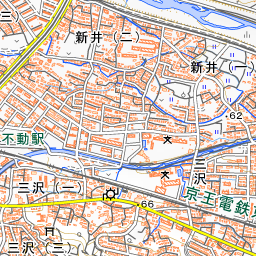
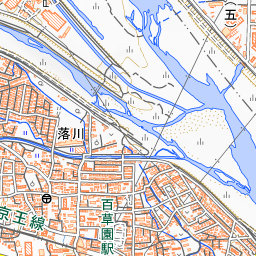
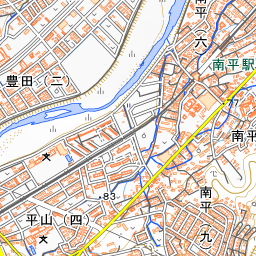
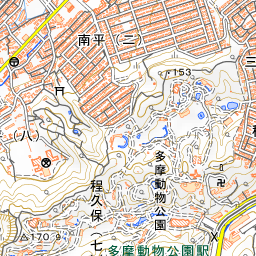
It is a 5-minute walk from Takahatafudo Station on the Keio Line and the Tama Toshi Monorail. On the 28th of every month, during the temple fair for Fudo-sama, the approach road becomes a pedestrian precinct. The Hydrangea Festival (Ajisai Matsuri) takes place every year from June 1 to June 30.
The Hijikata Toshizo Museum is approximately 1.2 kilometers to the northeast, and the Shinsengumi Hometown History Museum is approximately 1.8 kilometers to the northwest. Toshizo's grave is located not at Takahata Fudoson Temple, but at Sekiden-ji Temple.
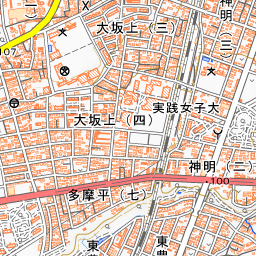
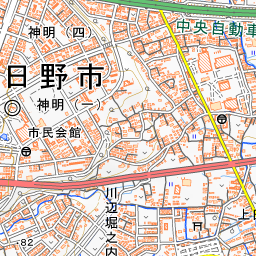
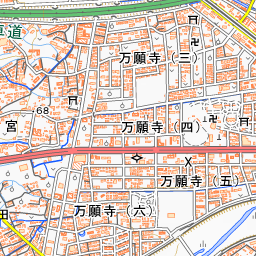
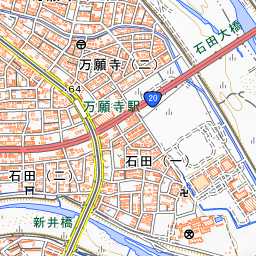
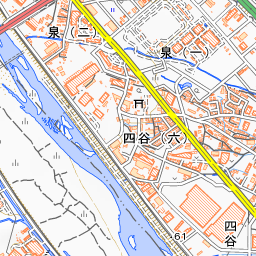
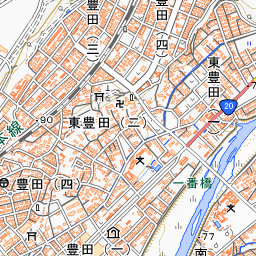
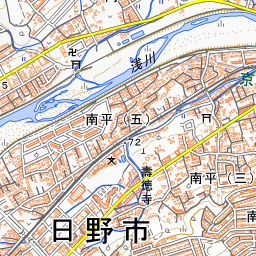
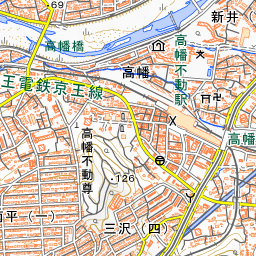
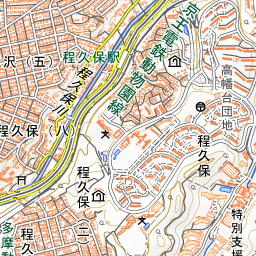
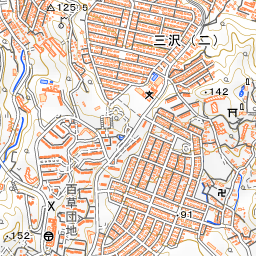
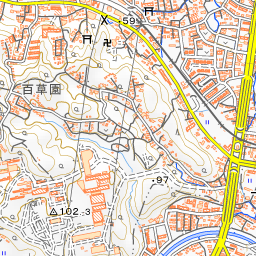
Spot location © OpenStreetMap contributors (ODbL)
Open in Google MapsGuides that include this spot (2)
Use asobot while you walk
- See where you are on the map and find spots nearby
- Listen to the guide's audio in course order, one after another (with subtitles)
- Walk to the next spot while following the map
Open on your phone
Scan to open this spot in asobot on your phone.